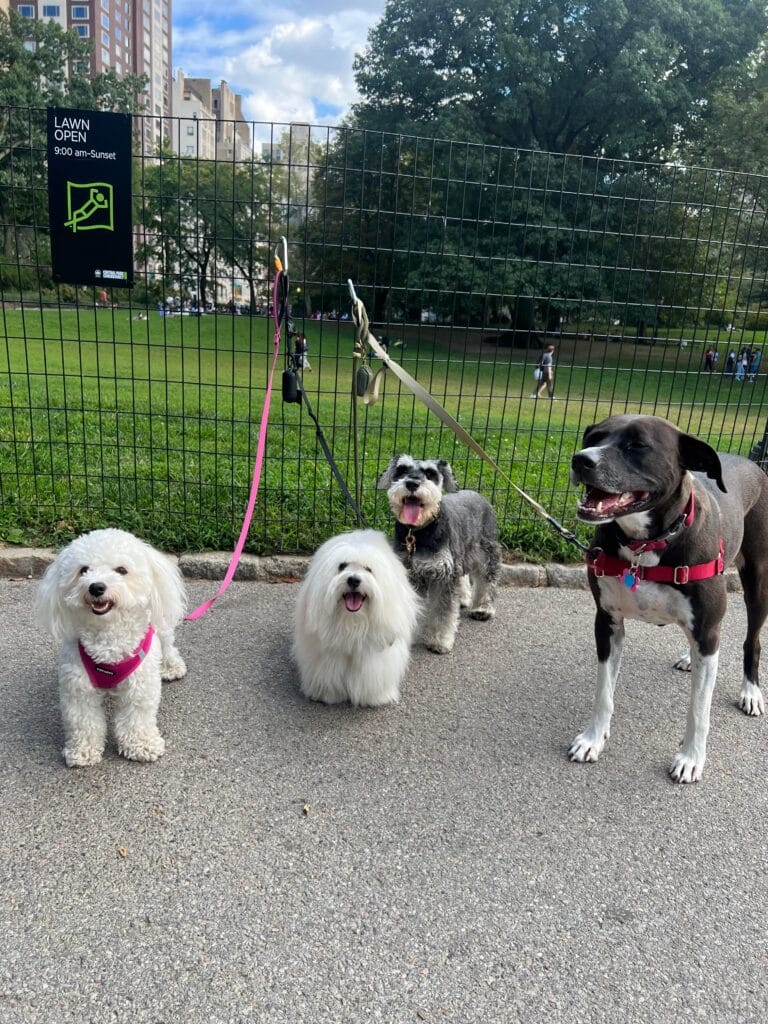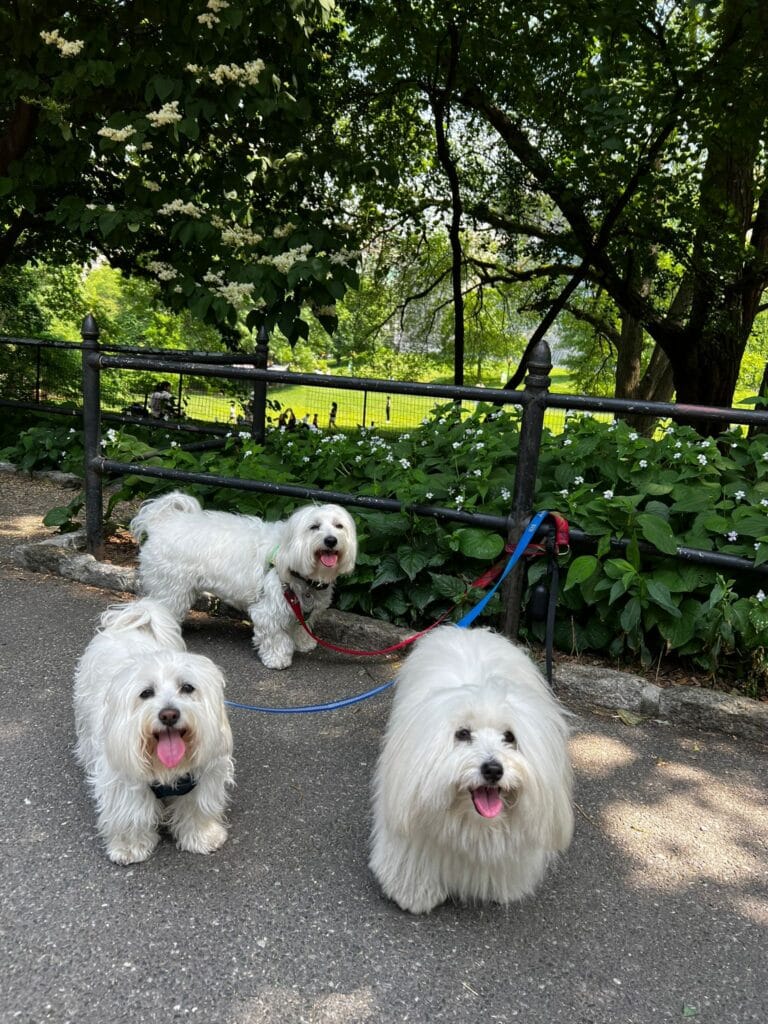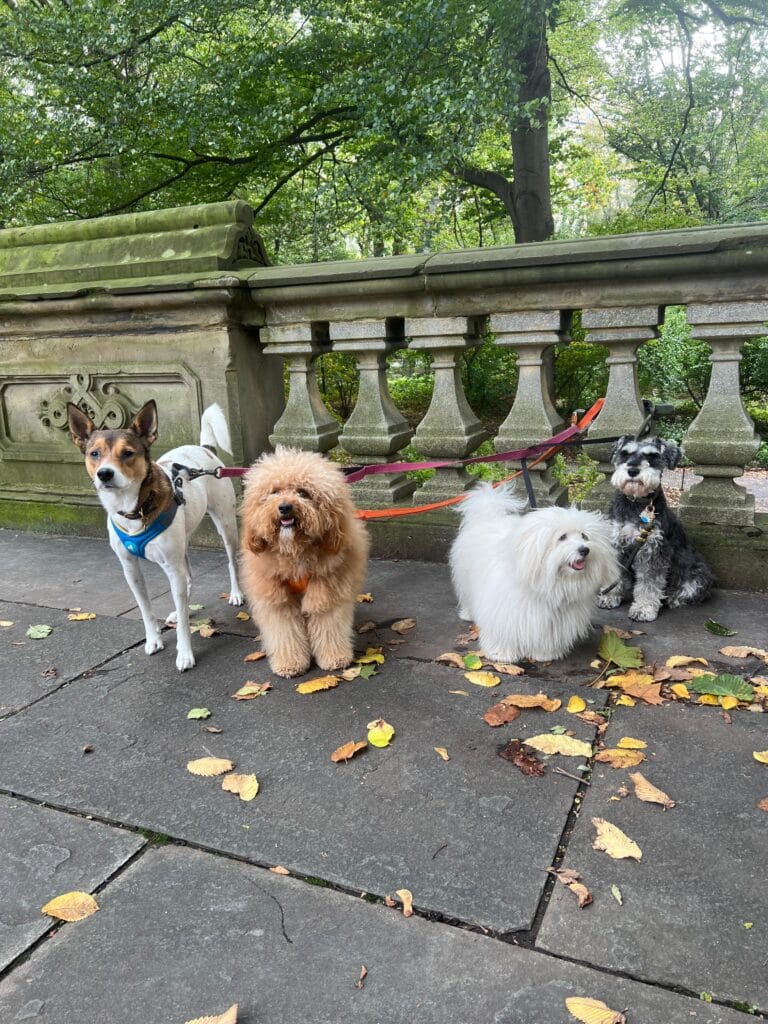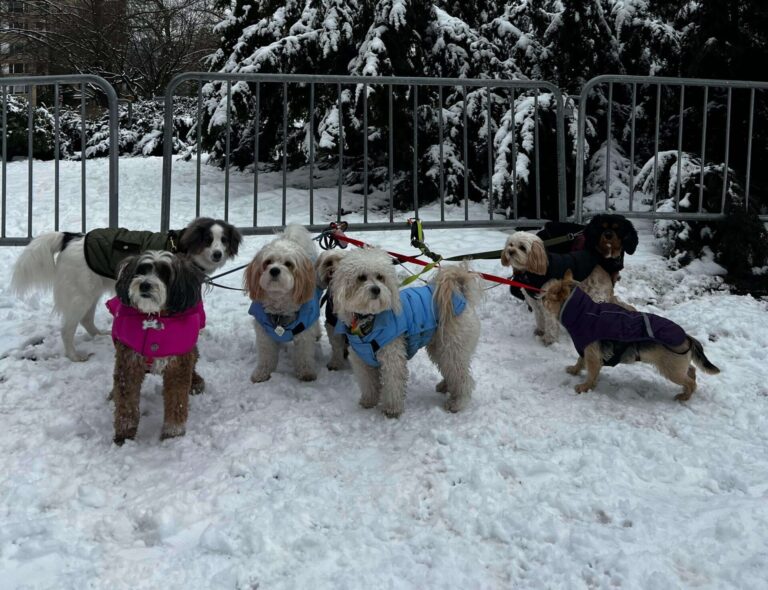

Walking your dog through the bustling streets of the Upper East Side can feel like a constant battle for their attention. Between honking cars, crowding pedestrians, and countless distractions, keeping your furry friend engaged during walks requires the right strategies and mindset.
This guide is designed for Upper East Side dog owners who want to transform their daily walks from stressful tugs-of-war into enjoyable bonding experiences. You’ll discover how to keep your dog engaged during walks in the Upper East Side by working with their natural instincts rather than fighting against urban chaos—an approach trusted by experienced professionals like a Dog Walker in the Upper East Side, Manhattan NYC who navigates these busy streets daily.
We’ll cover proven pre-walk preparation techniques that set you up for success before you even step outside. You’ll also learn specific urban exploration methods that turn city sidewalks into exciting adventures for your dog. Finally, we’ll share interactive games and training exercises you can seamlessly weave into your regular walking routine to keep your dog mentally stimulated and focused on you.
Understand Your Dog’s Exercise and Mental Stimulation Needs
Identify your dog’s breed-specific energy requirements
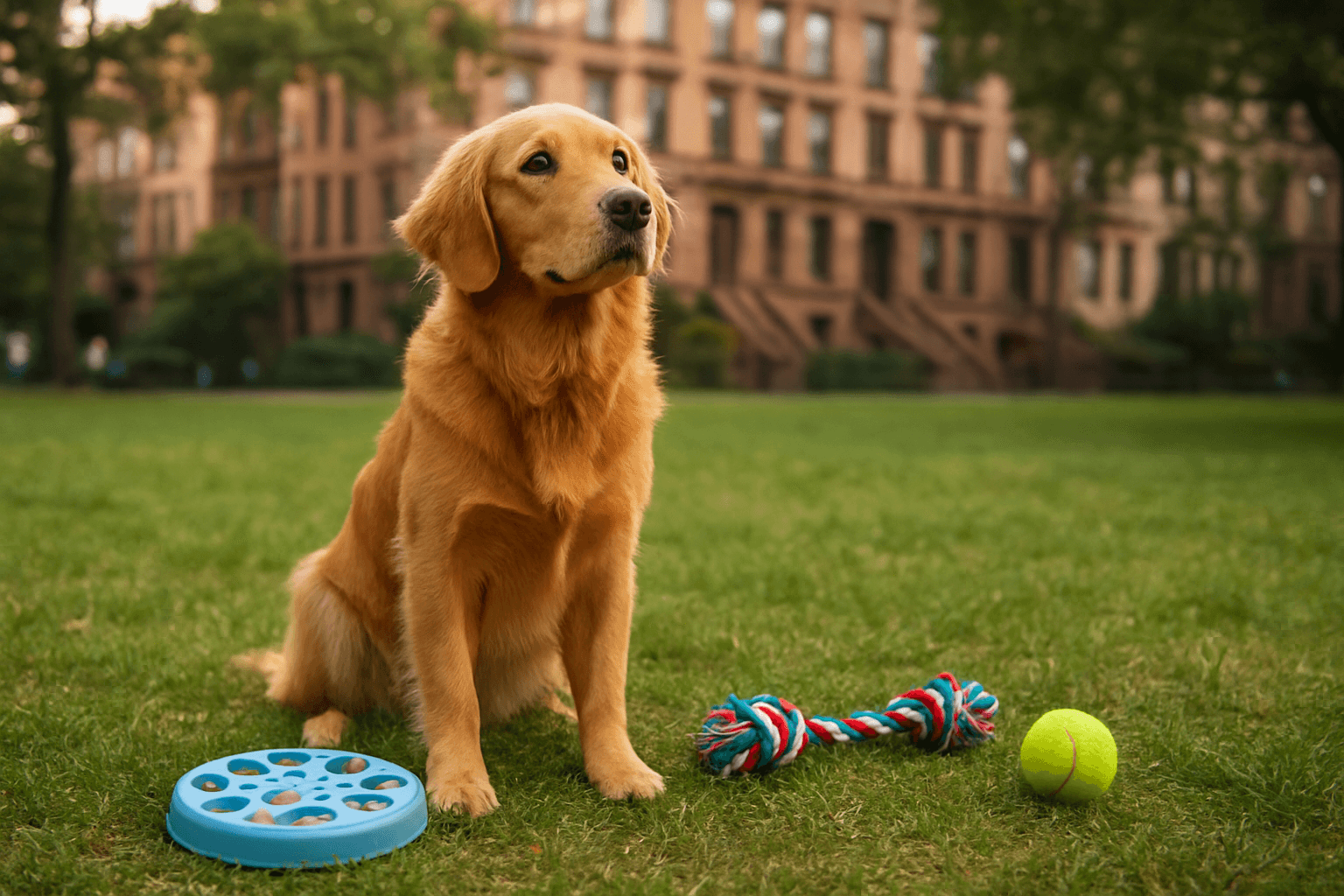
Different breeds have vastly different exercise needs, and understanding your dog’s genetic background is the first step to keeping them engaged during walks. According to the American Kennel Club, high-energy breeds like Border Collies, Australian Shepherds, and Jack Russell Terriers were bred for demanding work and require substantial daily exercise – often 2–3 hours of activity. These dogs need more than just a leisurely stroll around the block; they crave intense physical and mental challenges.
Medium-energy breeds such as Golden Retrievers, Labradors, and most Spaniels typically need 1-2 hours of moderate exercise daily. They enjoy longer walks with varied terrain and opportunities for sniffing and exploring. Lower-energy breeds like Bulldogs, Pugs, and Basset Hounds are content with shorter, more relaxed walks lasting 30-45 minutes.
| Energy Level | Typical Breeds | Daily Exercise Needs | Walk Characteristics |
|---|---|---|---|
| High | Border Collie, Australian Shepherd, Jack Russell | 2-3 hours | Fast-paced, challenging routes |
| Medium | Golden Retriever, Labrador, Cocker Spaniel | 1-2 hours | Moderate pace, varied terrain |
| Low | Bulldog, Pug, Basset Hound | 30-45 minutes | Leisurely pace, frequent breaks |
Age also plays a crucial role. Puppies under 18 months have developing joints and need shorter, more frequent walks, while senior dogs may require gentler exercise. The American Veterinary Medical Association emphasizes that regular, age-appropriate activity is essential for maintaining joint health and overall well-being throughout a dog’s life.
Recognize signs of boredom and understimulation
Spotting boredom in your dog is easier than you might think once you know what to look for. Destructive behavior at home is often the first red flag – chewed furniture, torn cushions, or shredded papers typically indicate your dog isn’t getting enough mental and physical stimulation. The ASPCA notes that boredom and understimulation are common causes of these behaviors in dogs.
During walks themselves, watch for these telltale signs: constant pulling toward every distraction, excessive sniffing without focus, inability to maintain attention on you for more than a few seconds, or seeming disinterested in the walk altogether. Some dogs show their boredom by walking sluggishly or frequently stopping to lie down, especially younger dogs who should naturally have more enthusiasm.
Behavioral changes at home can also signal inadequate walk engagement:
- Restlessness and pacing
- Attention-seeking behaviors like excessive barking or whining
- Repetitive behaviors like tail chasing or paw licking
- Difficulty settling down after walks
- Increased reactivity to sounds or movements
Mental understimulation often manifests as your dog appearing “switched off” during walks – going through the motions without real engagement. They might follow the same route mechanically without showing curiosity about their surroundings.
Assess your dog’s current fitness level
Before ramping up walk intensity, honestly evaluate your dog’s current physical condition. Start by observing their breathing patterns during and after walks. A fit dog should recover their normal breathing within 5-10 minutes after moderate exercise. If your dog is panting heavily for extended periods or seems exhausted after short walks, they may need a gradual fitness buildup.
Check your dog’s body condition by gently feeling along their ribcage. You should be able to feel their ribs without pressing hard, but they shouldn’t be visible. This assessment aligns with guidelines from Tufts University’s Cummings School of Veterinary Medicine, which emphasizes body condition scoring as a key indicator of canine fitness. Overweight dogs need slower, longer walks to build endurance, while underweight dogs might need more frequent, shorter sessions with adequate nutrition.
Watch their gait and movement patterns. Healthy dogs should move freely without favoring any limbs or showing stiffness. Older dogs or those with joint issues might need specialized walking routines with softer surfaces and gentle inclines rather than stairs or steep hills.
Consider your dog’s recent activity history. Dogs who’ve been sedentary need gradual conditioning – start with 15-20 minute walks and slowly increase duration and intensity over several weeks. Athletic dogs who’ve been regularly exercised can handle more challenging routes immediately.
Temperature tolerance varies significantly between breeds. Brachycephalic breeds (flat-faced dogs) overheat quickly and need shorter walks during warm weather, while double-coated breeds like Huskies thrive in cooler conditions but may struggle in heat.
Related Articles:
Why the Upper East Side is One of the Best Neighborhoods for Dog Walking
How Weather Impacts Dog Walking Routines in the Upper East Side NYC
Pre-Walk Preparation Strategies for Maximum Engagement
Pack Interactive Toys and Treats for the Journey
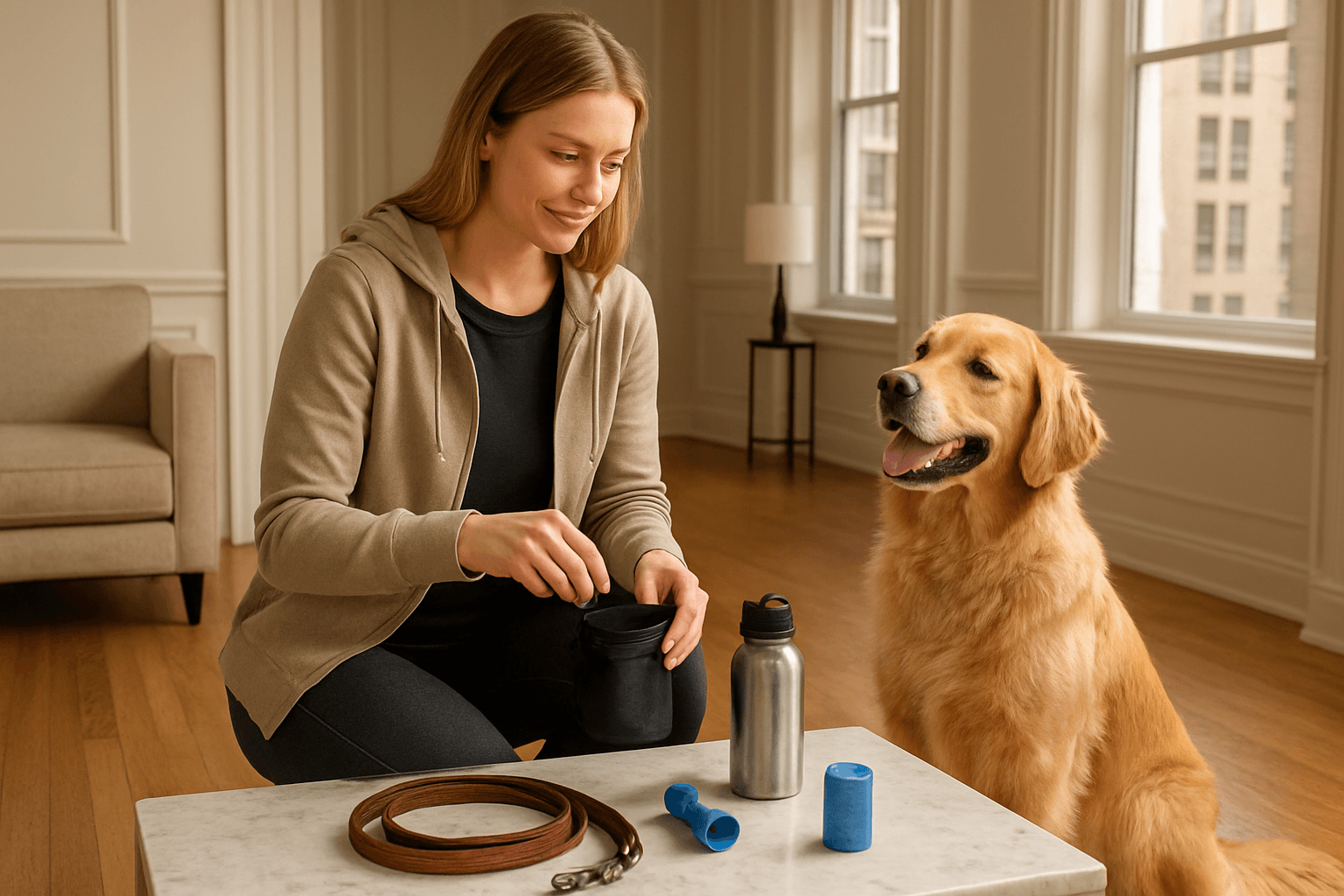
Smart preparation makes all the difference between a mundane walk and an adventure your dog will remember. Start by creating a “walk kit” with rotating toys that keep things fresh and exciting. Puzzle balls filled with high-value treats work wonders for maintaining focus during busy street crossings. Tug toys double as training tools and energy outlets, while squeaky toys can redirect attention from distractions like food scraps or other dogs.
Choose treats that pack maximum motivational punch – freeze-dried liver, small training treats, or even pieces of their regular kibble work well. The key is variety and portion control. Pack different textures and flavors to match different moments: crunchy treats for successful heel commands, soft treats for quick rewards during training breaks.
Consider the weather when selecting your gear. Summer walks call for collapsible water bowls and cooling treats, while winter outings might need extra-engaging toys to keep energy levels up despite shorter daylight hours. A small treat pouch or fanny pack keeps everything accessible without fumbling through pockets.
Plan Varied Routes Through Different Upper East Side Neighborhoods
The Upper East Side offers incredible diversity within just a few blocks, and dogs thrive on environmental variety. Mix residential streets like those near Park Avenue with the bustling energy around Lexington Avenue shops. Each area provides distinct sensory experiences that naturally engage your dog’s curiosity.
Create a rotation of at least three different route options. Start with quieter streets near Central Park for dogs who need confidence building, then gradually introduce busier areas like Madison Avenue for more stimulation. The tree-lined blocks between 70th and 90th Streets offer perfect sniffing opportunities, while the area near museums provides interesting architectural features and varied foot traffic.
Map out routes that incorporate different surfaces – sidewalks, park paths, and even dog-friendly building courtyards where permitted. Dogs experience the world primarily through scent, so changing environments provides mental enrichment that’s just as tiring as physical exercise. Keep notes on which routes your dog enjoys most and which present good training opportunities.
Time Walks During Peak Activity Hours for Stimulation
Strategic timing transforms ordinary walks into rich learning experiences. Morning rush hours (7:30-9:00 AM) provide controlled chaos that helps dogs practice focus amid distractions. The energy is high but predictable, making it perfect for building confidence and reinforcing training commands.
Evening hours (5:30-7:30 PM) bring different benefits. Restaurant prep, delivery trucks, and people returning from work create dynamic environments that challenge your dog’s adaptability. Weekend mornings offer yet another experience, with dog walkers, joggers, and families creating a more relaxed but socially rich atmosphere.
Avoid the extremes unless you’re specifically working on desensitization. Mid-morning lulls might seem peaceful, but they can actually make dogs more reactive to sudden noises or movements. Late evening walks work well for older or more anxious dogs who benefit from quieter environments. Track your dog’s energy levels and responses to different times, then adjust your schedule accordingly. Some dogs are naturally more alert in mornings, while others hit their stride in late afternoon.
Related Articles:
Dog Walking Leash Laws in NYC’s Upper East Side
A Local’s Guide to Dog Walking Near Central Park’s East Side Entrances
Urban Exploration Techniques to Capture Your Dog’s Attention
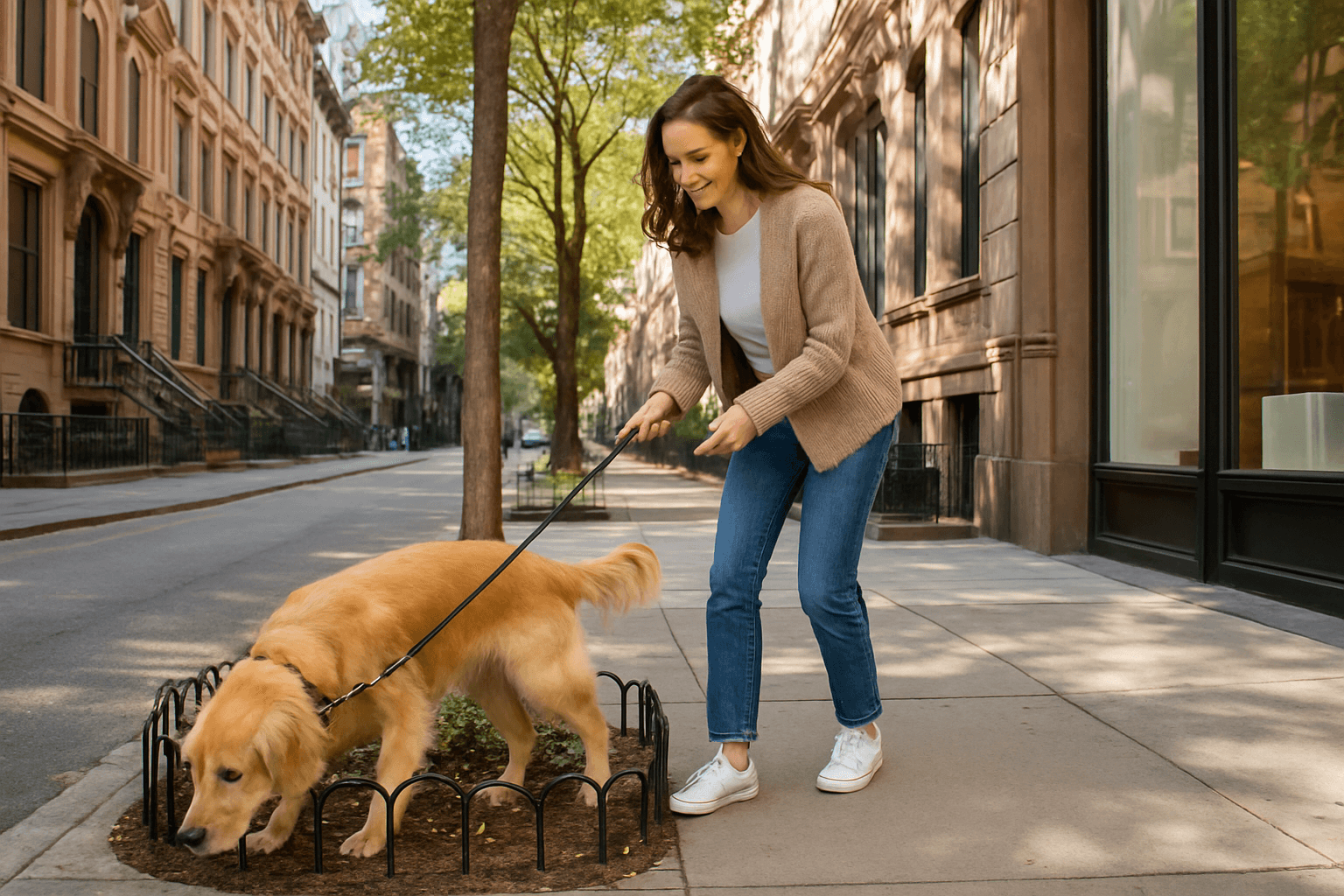
Utilize Central Park’s diverse trails and dog-friendly areas
Central Park offers an incredible playground for dogs and their owners right in your neighborhood. According to the NYC Department of Parks & Recreation, the park’s dog-friendly areas and designated off-leash hours provide excellent opportunities for safe exploration and mental stimulation. Start by exploring the Reservoir loop, where your dog can take in new scents while you both enjoy stunning city views.
The Mall’s tree-lined promenade makes for excellent leash training practice, with its wide walkways and predictable foot traffic. Your dog will love the sensory experience of different surfaces under their paws – from asphalt to gravel paths to the occasional patch of grass.
Don’t overlook the smaller, quieter areas like the Conservatory Garden or the Shakespeare Garden. These spots offer rich scent experiences with seasonal flowers and plants that change throughout the year. Your dog’s nose will be working overtime, providing natural mental stimulation.
Popular Central Park Routes for Dogs:
- Reservoir Loop (1.58 miles)
- The Mall to Bethesda Fountain (0.5 miles)
- North Woods trails (various short loops)
- East Drive southern section (dog-friendly during off-peak hours)
Incorporate window shopping along Madison and Lexington Avenues
Transform your regular walk into an engaging urban adventure by strolling down Madison and Lexington Avenues. These bustling streets provide constant visual and auditory stimulation that keeps dogs alert and engaged. The ever-changing storefronts, pedestrian traffic, and street sounds create a dynamic environment that challenges your dog’s senses.
Stop frequently to let your dog observe the world around them. The reflection in store windows, the movement of people inside shops, and the variety of scents from different businesses all contribute to mental enrichment. Many dogs find watching the hustle and bustle of city life just as entertaining as a nature hike.
Use these stops strategically for training moments. Practice “sit” and “stay” commands while people-watching, or work on leash manners when navigating around other pedestrians. The urban environment provides real-world training scenarios that you can’t replicate in quieter settings.
Benefits of Avenue Walking:
- Constant sensory stimulation
- Natural training opportunities
- Exposure to urban sounds and sights
- Builds confidence in city environments
Visit dog-friendly businesses and outdoor cafes
The Upper East Side boasts numerous establishments that welcome well-behaved dogs, turning your walk into a social adventure. Many local cafes offer outdoor seating where your dog can practice calm behavior while experiencing new environments. These stops serve as excellent rest periods during longer walks while providing valuable socialization opportunities.
Pet stores along your route make natural pit stops where your dog can meet other animals and people. Staff members often keep treats behind the counter and enjoy greeting regular four-legged customers. These interactions help build your dog’s confidence and social skills.
Bookstores, art galleries, and boutique shops often allow leashed dogs inside, especially during slower business hours. Call ahead or look for “dog welcome” signs in windows. These indoor experiences expose your dog to different flooring textures, lighting, and spatial layouts.
Dog-Friendly Stop Ideas:
- Outdoor cafe patios for people-watching practice
- Pet supply stores for social interaction
- Bookstores and galleries (call ahead)
- Farmer’s markets on weekends
- Hotel lobbies that welcome pets
Related Articles:
The Ultimate Guide to Dog Walking Etiquette in the Upper East Side
Choosing the Right Leash and Harness for Dog Walking in the Upper East Side
Interactive Games and Training Exercises During Walks
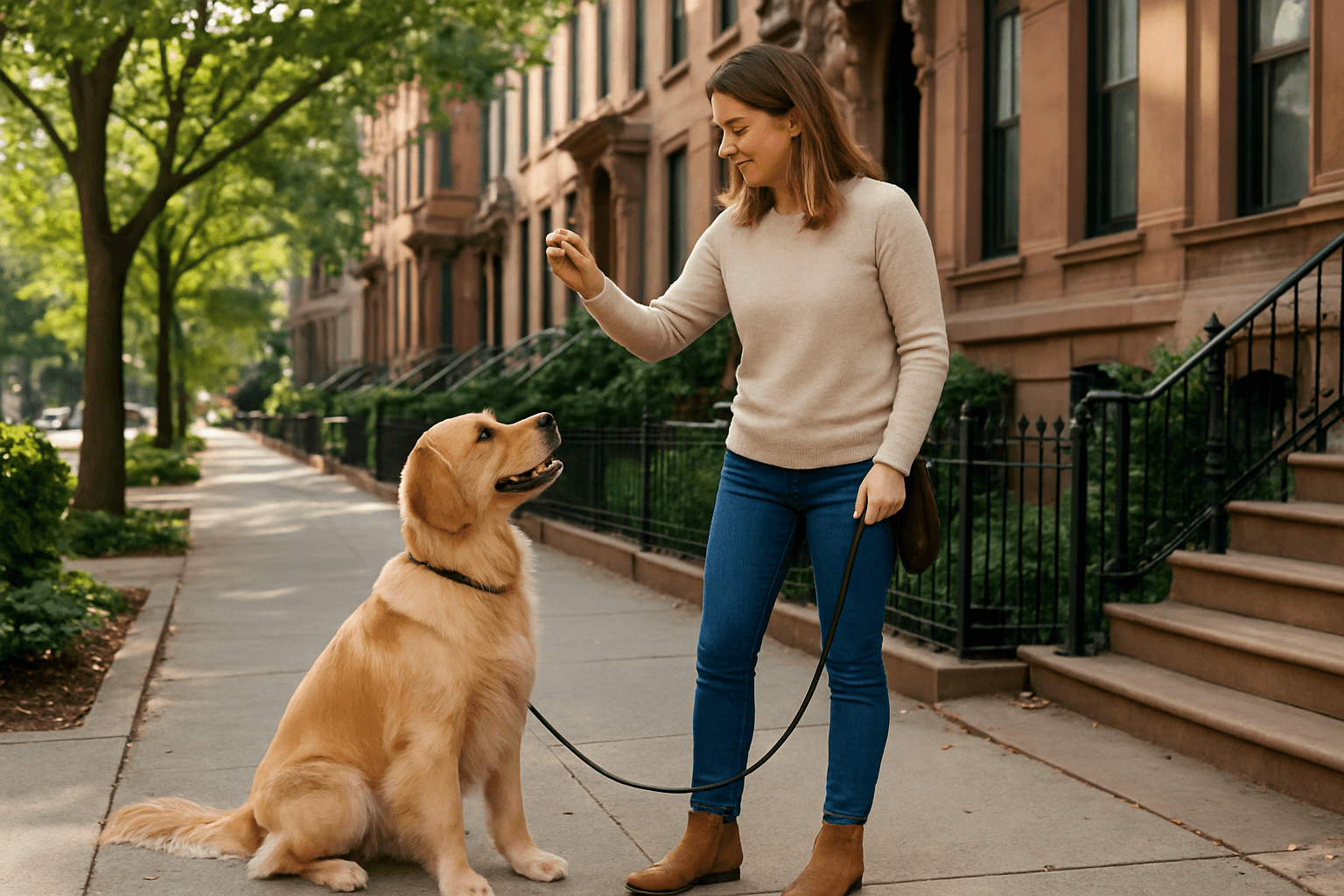
Practice Basic Obedience Commands at Street Corners
Street corners offer perfect training opportunities with built-in breaks in your walking routine. When you reach a corner, stop and ask your dog to sit before crossing. This simple practice reinforces impulse control while keeping your pup safe in busy Upper East Side traffic.
Mix up your commands to keep things interesting. Try “down” at one corner, “stay” at the next, and “heel” as you cross. The constant stimulation of city sounds, smells, and sights makes these exercises more challenging than backyard training, which actually accelerates learning. Your dog learns to focus on you despite distractions.
Red lights become training gold mines. Use the waiting time for quick “look at me” exercises or practice loose leash walking in small circles. The key is consistency – make every corner a mini training session, and your dog will start anticipating and enjoying these mental breaks.
Implement Scavenger Hunt Games Using Urban Landmarks
Transform your neighborhood into an adventure course by creating scavenger hunts around familiar landmarks. Point out specific objects like fire hydrants, mailboxes, or park benches and reward your dog when they investigate or touch these items with their nose.
Create themed hunts based on colors, textures, or sounds. Today’s mission might be finding three blue objects, while tomorrow focuses on rough textures like tree bark or concrete planters. This game sharpens your dog’s observation skills and makes routine routes feel fresh and exciting.
Popular Upper East Side Scavenger Hunt Items:
- Ornate building doorways
- Street art or murals
- Different types of trees
- Various fire hydrant styles
- Unique architectural details
- Park statues or monuments
Start simple with obvious targets, then gradually increase difficulty. Your dog will begin to anticipate these games and actively search for interesting objects, turning them into your walking partner rather than just a follower.
Use Treat-Dispensing Toys for Moving Puzzle Challenges
Treat-dispensing toys aren’t just for home use – they’re game-changers for urban walks. Carry a small puzzle ball or treat-dispensing toy that your dog can interact with during rest stops in pocket parks or while waiting for friends.
Rolling toys work exceptionally well on sidewalks and park paths. Let your dog chase and manipulate the toy to release treats, creating a moving puzzle that combines physical activity with mental stimulation. This approach is particularly effective for high-energy dogs who need extra engagement beyond regular walking.
Best Moving Puzzle Options for City Walks:
| Toy Type | Best For | Difficulty Level |
|---|---|---|
| Treat balls | Active dogs | Beginner |
| Rope toys with hidden treats | Gentle chewers | Intermediate |
| Puzzle feeders | Food-motivated dogs | Advanced |
| Snuffle mats | Calm searchers | Beginner |
Rotate different toys throughout the week to prevent boredom. Pack lightweight options that won’t weigh down your walk, and always bring backup treats for when the toy runs empty. These moving puzzles turn rest breaks into productive training moments while giving your dog’s brain a serious workout.
Related Articles:
Best Time of Day for Dog Walking in the Upper East Side
Conclusion
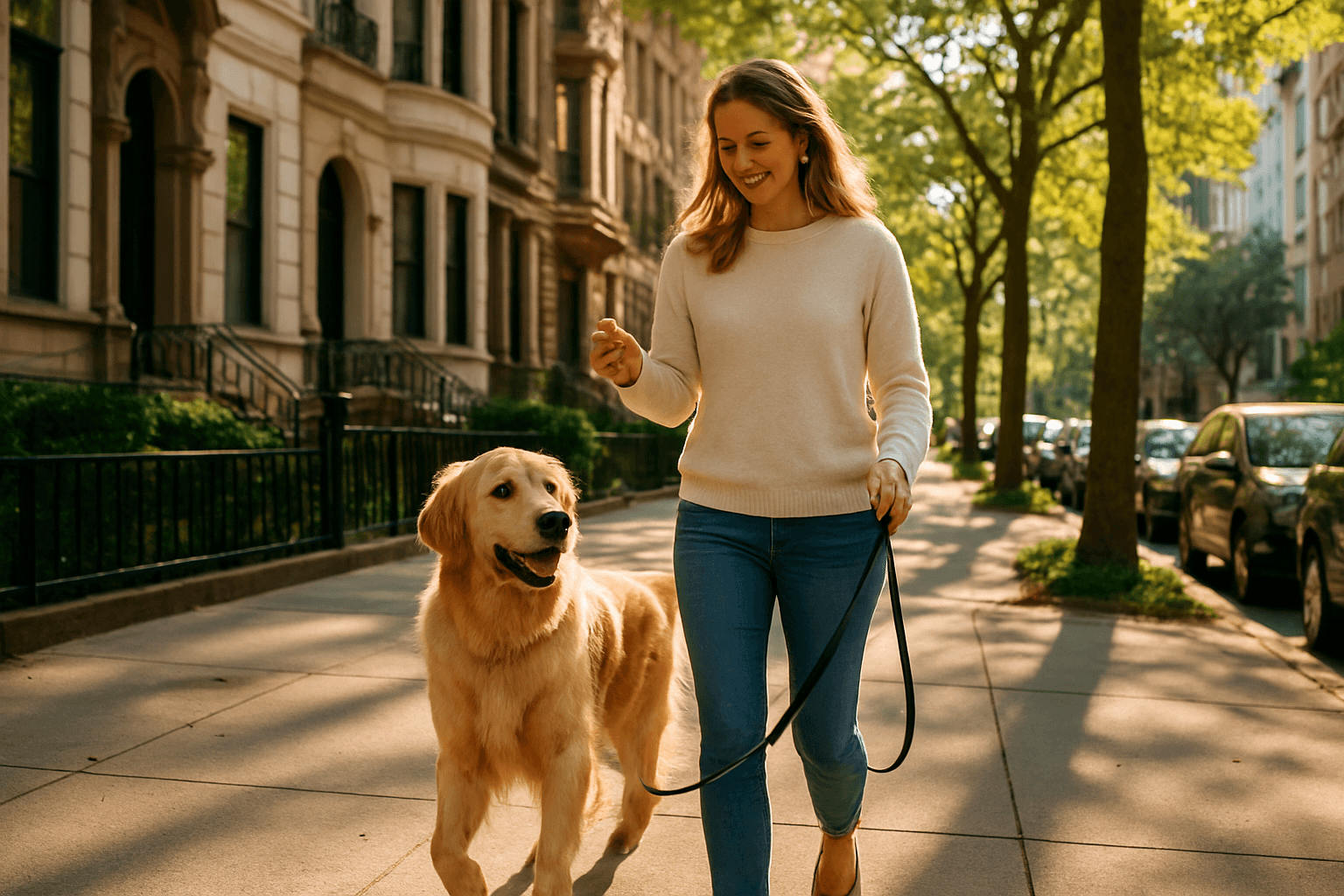
Walking your dog in the Upper East Side doesn’t have to feel like a chore when you know how to tap into what gets your pup excited. The secret is understanding that every dog needs both physical movement and mental challenges to stay happy and healthy. Setting yourself up for success starts before you even leave your apartment – having the right treats, toys, and mindset makes all the difference once you hit the sidewalk.
The city streets offer endless opportunities to turn a simple walk into an adventure. Let your dog explore new smells, practice their training skills, and play simple games along the way—especially when supported by professional Pet Care Services in Manhattan, NYC that help reinforce consistency, structure, and enrichment beyond daily walks. When you make each outing feel fresh and engaging, you’ll both look forward to these daily adventures together. Start small with one or two new techniques, and watch how quickly your walks transform from routine to genuinely fun bonding time.
Frequently Asked Questions
Most dogs in the Upper East Side benefit from 30 to 90 minutes of daily walking, depending on their breed, age, and energy level. High-energy breeds may need longer or multiple walks, while lower-energy or senior dogs do well with shorter, more relaxed outings.
Using high-value treats, practicing obedience at street corners, and turning sidewalks into interactive exploration spaces helps keep dogs engaged. Varying routes and allowing controlled sniffing also improves focus during urban walks.
Yes. Central Park offers diverse trails, scents, and surfaces that provide excellent mental stimulation. Structured walks through different park areas help prevent boredom and improve overall engagement for city dogs.
Common signs include excessive pulling, lack of focus, destructive behavior at home, or appearing uninterested during walks. These behaviors often indicate a need for more mental stimulation, not just longer walks.
Absolutely. Experienced dog walkers understand how to balance physical exercise, mental stimulation, and urban safety. Professional dog walking services in the Upper East Side can help maintain consistent engagement, especially for busy owners.