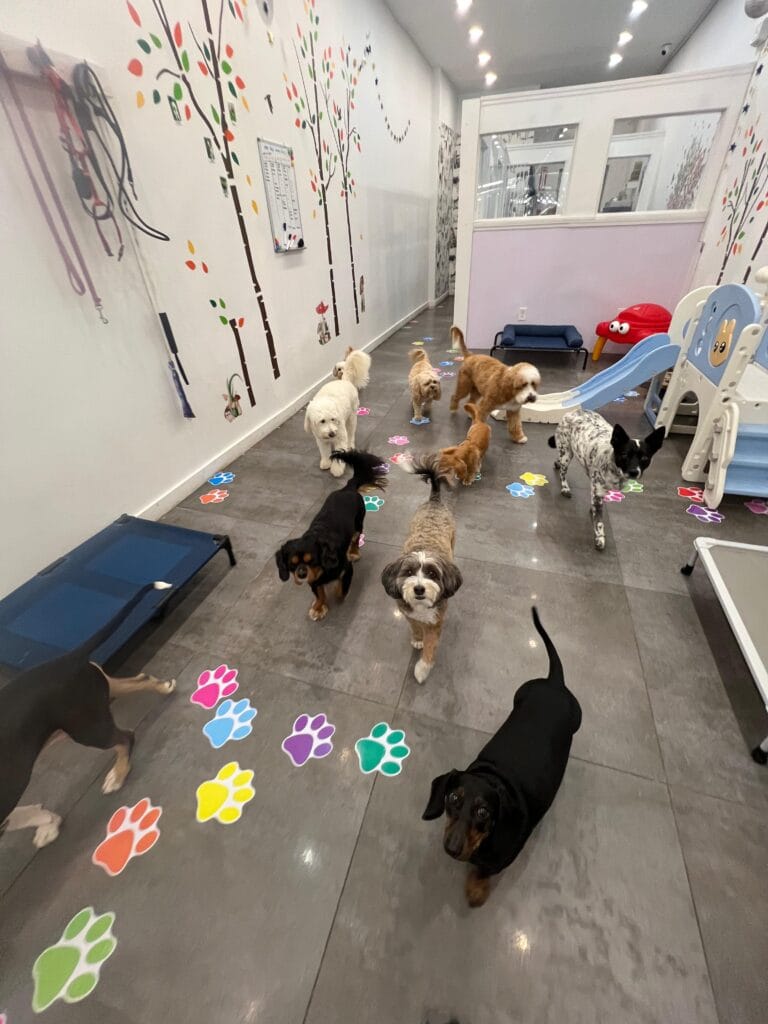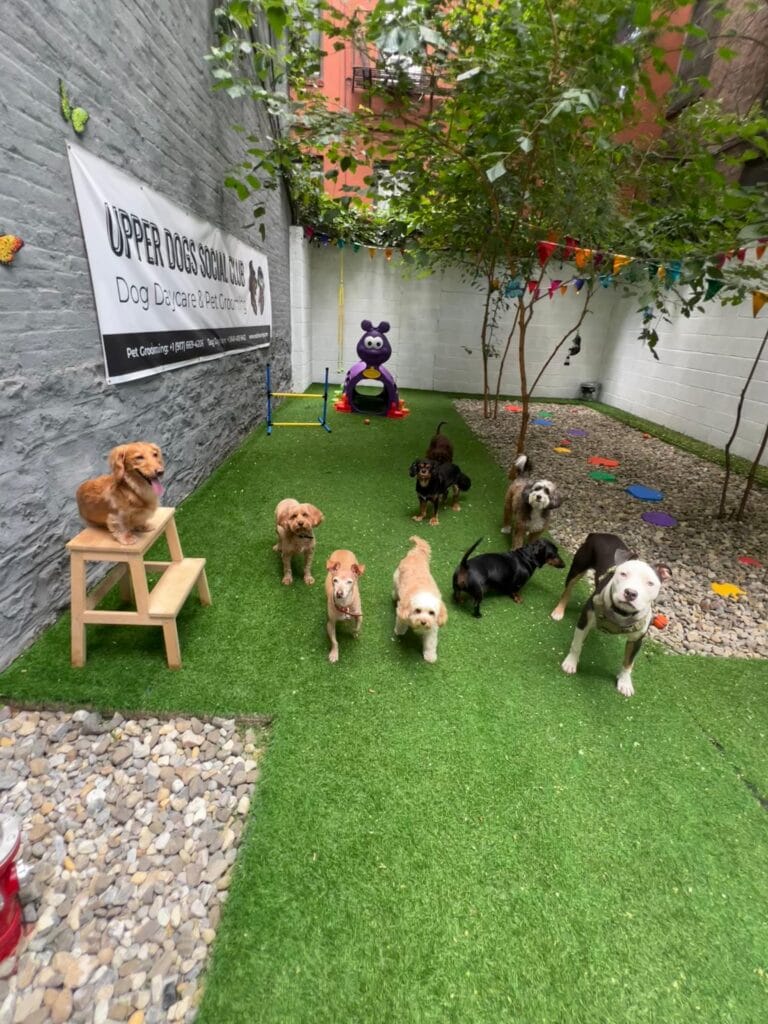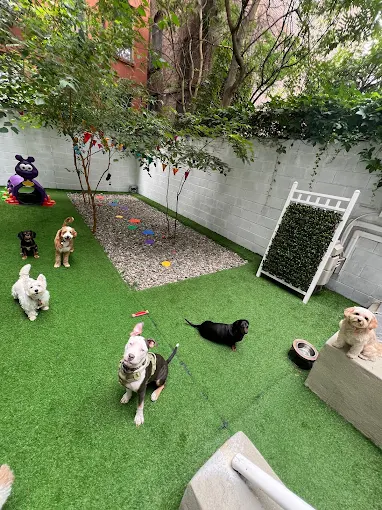


Many Manhattan dog owners face the daily struggle of leaving their anxious pups behind when heading to work. If your dog shows signs of destructive behavior, excessive barking, or distress when you leave, reducing separation anxiety through dog daycare in Manhattan might be the solution you need.
This guide is for busy Manhattan pet parents who want to help their dogs feel more secure and confident while they’re away. We’ll explore how separation anxiety develops in urban dogs and the specific ways daycare can break these stressful patterns. For owners looking for neighborhood-specific guidance, our post on Dog Daycare in East Harlem, Manhattan offers practical insights to help you choose the right facility for your four-legged family member.
Understanding Separation Anxiety in Dogs
Recognizing Common Signs and Symptoms
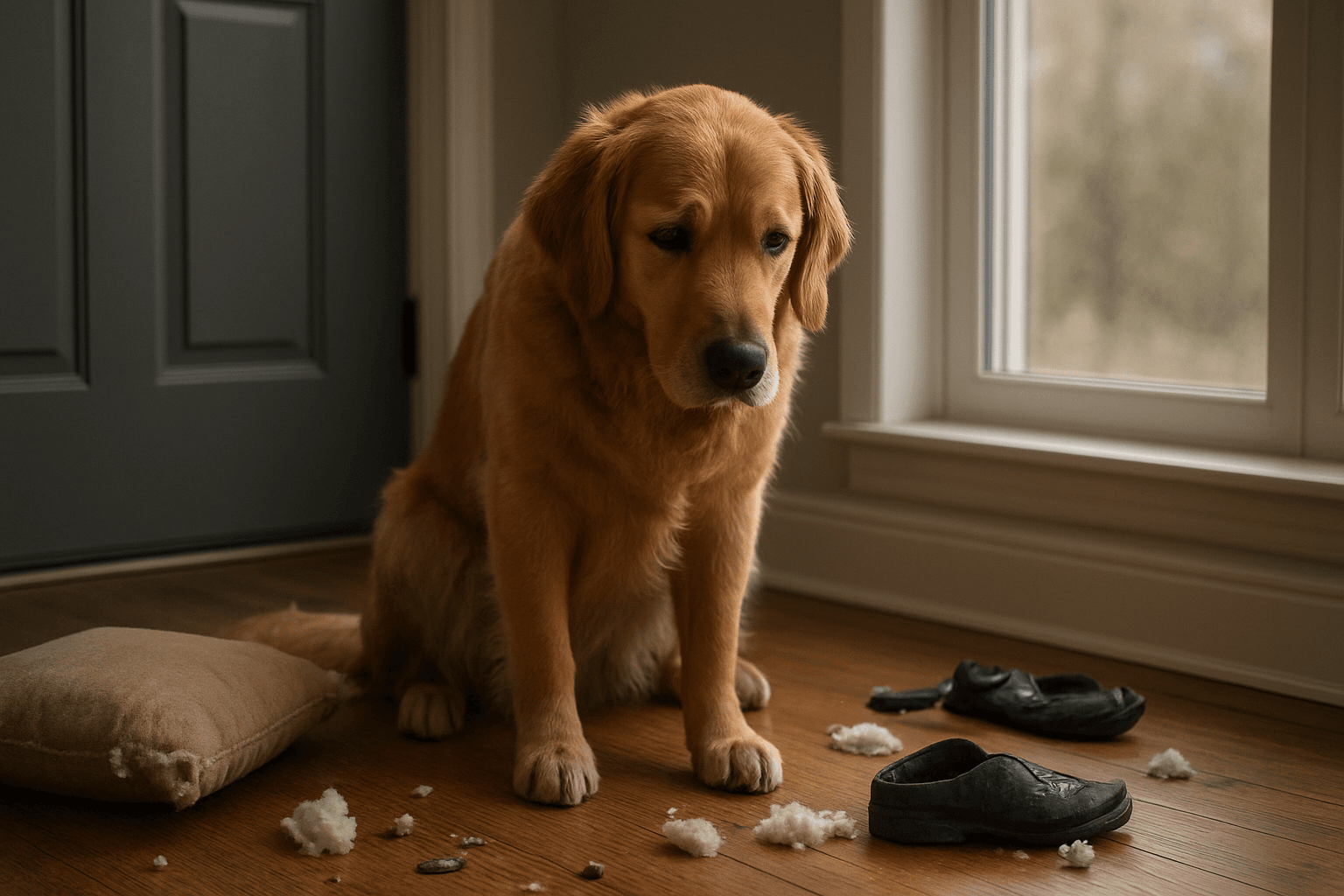
Separation anxiety shows up differently in every dog, and the ASPCA notes several telltale behaviors that signal distress when you’re away. Destructive behavior tops the list – think chewed furniture, scratched doors, or shredded cushions that greet you when you return home. Your dog isn’t being spiteful; they’re genuinely panicked about being alone.
Excessive barking or howling is another major red flag, and the American Veterinary Medical Association highlights vocalization as a primary stress indicator in dogs. Neighbors might complain about nonstop noises that start the moment you leave. House training accidents also become common, even in fully trained dogs.
Some dogs try desperate escape attempts, clawing at windows, doors, or crates until their paws bleed. Others pace relentlessly, wear down their nails, or drool excessively. You might notice your dog following you around the house like a shadow, getting anxious even when you grab your keys or put on your coat.
Physical symptoms include panting when there’s no heat, loss of appetite, or changes in sleep patterns. Many dogs also engage in repetitive behaviors like excessive licking or chasing their tails when left alone.
Identifying Triggers That Worsen Anxiety
Pre-departure routines often kick anxiety into high gear. Dogs are incredibly observant and quickly learn your leaving patterns. Picking up keys, putting on shoes, grabbing a briefcase, or even checking your phone can trigger panic before you’ve stepped foot outside.
Environmental changes amplify separation anxiety. Moving to a new home, changes in family structure like divorce or new babies, or shifts in your work schedule can destabilize an already anxious dog. Dogs thrive on routine, and any disruption can worsen their fears about being abandoned.
Past trauma plays a huge role. Rescue dogs or those who’ve experienced abandonment often struggle more intensely with being left alone. Even positive changes like renovations or new furniture can throw off sensitive dogs.
The length of separation matters too. Short trips to the grocery store might be manageable, but longer workdays or overnight trips can push anxiety to dangerous levels. Some dogs also struggle more during specific times – morning departures often cause more distress than afternoon ones.
Weather changes, loud noises from construction, or even the absence of usual household sounds can intensify anxiety symptoms. Research from Cornell University College of Veterinary Medicine explains how noise sensitivity can significantly heighten fear responses in pets.
Understanding the Impact on Dog Health and Behavior
Chronic separation anxiety takes a serious toll on your dog’s physical and mental health. The constant stress floods their system with cortisol, weakening their immune system and making them more susceptible to illness. Digestive issues become common – dogs might refuse food, vomit from stress, or develop chronic diarrhea.
Sleep disruption affects their recovery and mood regulation. Anxious dogs often can’t settle properly when alone, leading to exhaustion that compounds behavioral problems. The physical strain from destructive behaviors or escape attempts can cause injuries, broken teeth, or damaged paw pads.
Behaviorally, separation anxiety often spirals into other issues. Dogs might become generally more fearful, reactive to strangers, or aggressive when they feel cornered. Their bond with you can become unhealthily intense – they might resource guard you from other family members or pets.
The stress also impairs learning ability. Training becomes more difficult because anxious dogs struggle to focus and retain information. What starts as separation-specific anxiety often generalizes to other situations, creating a more broadly anxious dog.
Long-term untreated separation anxiety can lead to depression, self-harm through excessive licking or chewing, and a significantly reduced quality of life for both dog and owner.
Related Articles
What to Expect from a Premier Dog Daycare in Manhattan
Boosting Social Skills: How Dog Daycare Benefits Your NYC Pup
How Dog Daycare Addresses Separation Anxiety
Providing Structured Social Interaction and Mental Stimulation
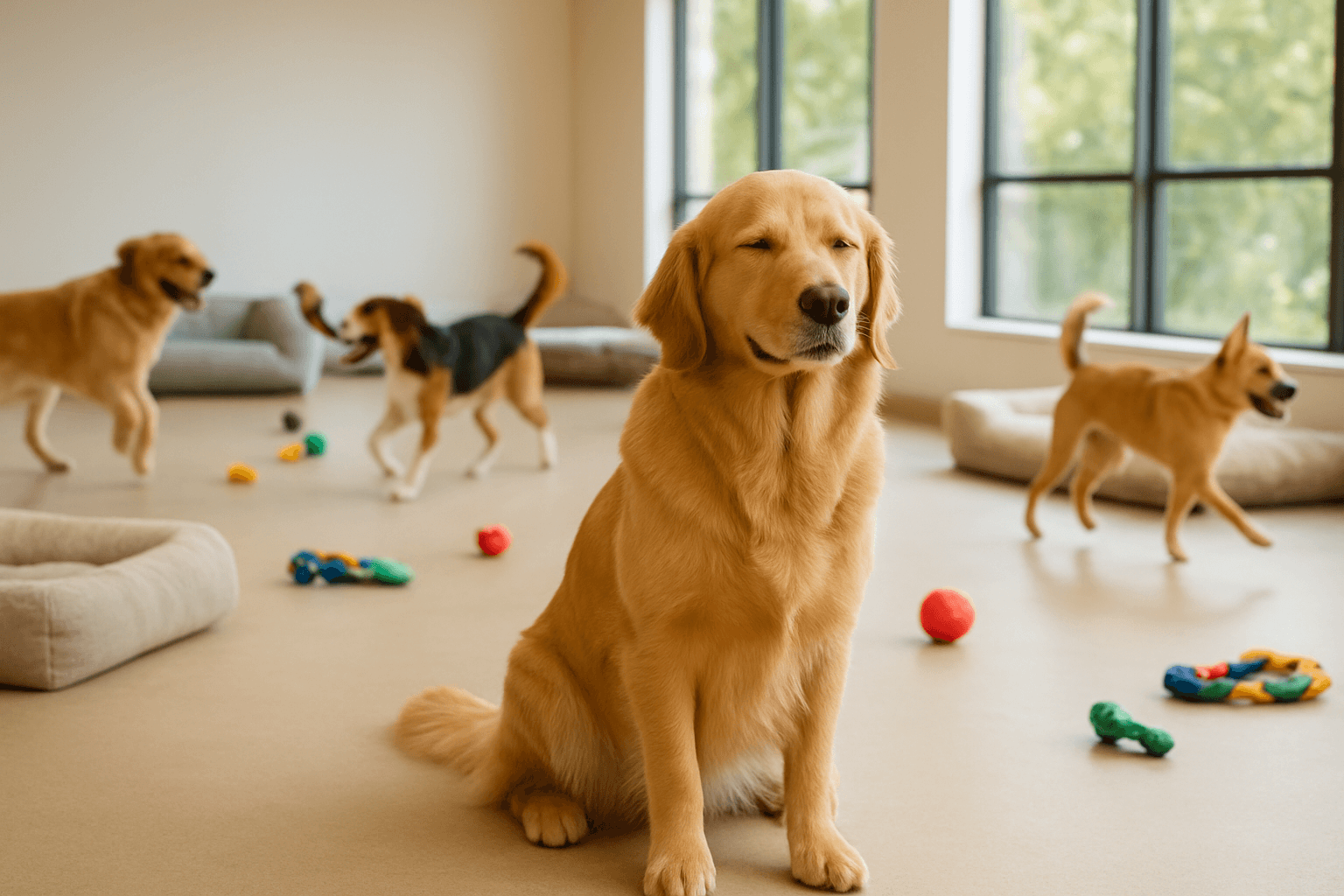
Dog daycare transforms lonely hours into engaging social experiences that directly combat the root causes of separation anxiety. When dogs spend their days surrounded by canine companions and trained staff, their minds stay active and occupied rather than fixating on their absent owners. This constant stimulation prevents the downward spiral of anxious thoughts that typically builds when dogs are left alone.
The structured environment of daycare facilities provides controlled socialization opportunities that many dogs can’t access at home. Pack play sessions, supervised group activities, and rotating playmate interactions keep dogs mentally engaged while teaching valuable social skills. Dogs learn to read body language from other dogs, practice appropriate play behaviors, and develop confidence in new situations.
Mental stimulation comes through puzzle toys, training exercises, and enrichment activities that challenge dogs cognitively. Staff members often incorporate basic obedience training, scent work, and problem-solving games throughout the day. This mental workout exhausts dogs in a healthy way, leaving them satisfied and content rather than anxious and destructive.
The predictable routine of daycare activities creates structure that anxious dogs desperately need. Regular meal times, play periods, rest breaks, and social interactions establish a rhythm that reduces uncertainty and builds security.
Creating Positive Associations with Being Away from Owners
Daycare fundamentally shifts a dog’s perspective on owner absence from something scary to something exciting. Instead of associating departure with isolation and boredom, dogs begin connecting their owner’s leaving with fun adventures and social connections at daycare.
The anticipation of daycare activities creates positive emotional states that override anxiety responses. Dogs start to show excitement when they see daycare preparations, wagging their tails and heading toward the door instead of hiding or showing stress signals. This emotional shift happens gradually as dogs build positive memories associated with the daycare environment.
Staff members play a crucial role in creating these positive associations by greeting each dog enthusiastically, providing immediate engagement upon arrival, and ensuring every dog feels welcomed and valued. The transition from home to daycare becomes smoother as dogs develop trust relationships with caregivers who understand their individual needs and preferences.
Regular daycare attendance helps dogs generalize their comfort with separation beyond just daycare days. They begin to understand that owner departures don’t necessarily mean abandonment or lengthy isolation, reducing overall anxiety levels even on non-daycare days.
Building Confidence Through Supervised Play and Activities
Confidence building happens naturally through successful social interactions and mastery of new challenges in a safe environment. Dogs who struggle with separation anxiety often lack self-confidence and rely heavily on their owners for security. Daycare provides opportunities to develop independence and self-assurance through positive experiences with other dogs and humans.
Supervised play sessions allow anxious dogs to practice social skills at their own pace with staff intervention when needed. Dogs learn to advocate for themselves, set boundaries with other dogs, and navigate social hierarchies without their owners present. These successful interactions build self-esteem and reduce dependence on human companions for emotional regulation.
Activity-based confidence building includes agility courses, training challenges, and problem-solving games that let dogs experience success independently. Each conquered obstacle or learned skill reinforces their ability to handle situations without their owner’s direct support.
Group activities teach dogs to take direction from multiple humans, not just their primary caregiver. This expanded trust network reduces the intense attachment that often fuels separation anxiety. Dogs discover they can form meaningful relationships with others while maintaining their special bond with their owners.
The gradual increase in independence that daycare fosters helps dogs develop coping mechanisms they can use during actual separations at home. They learn self-soothing techniques, develop resilience, and gain the emotional tools needed to manage anxiety independently.
Related Articles
Prioritizing Safety: Dog Daycare Protocols in Urban Environments
Preparing Your Dog for Their First Day at Manhattan Daycare
Manhattan’s Unique Challenges for Dog Owners
Managing Anxiety in High-Density Urban Living
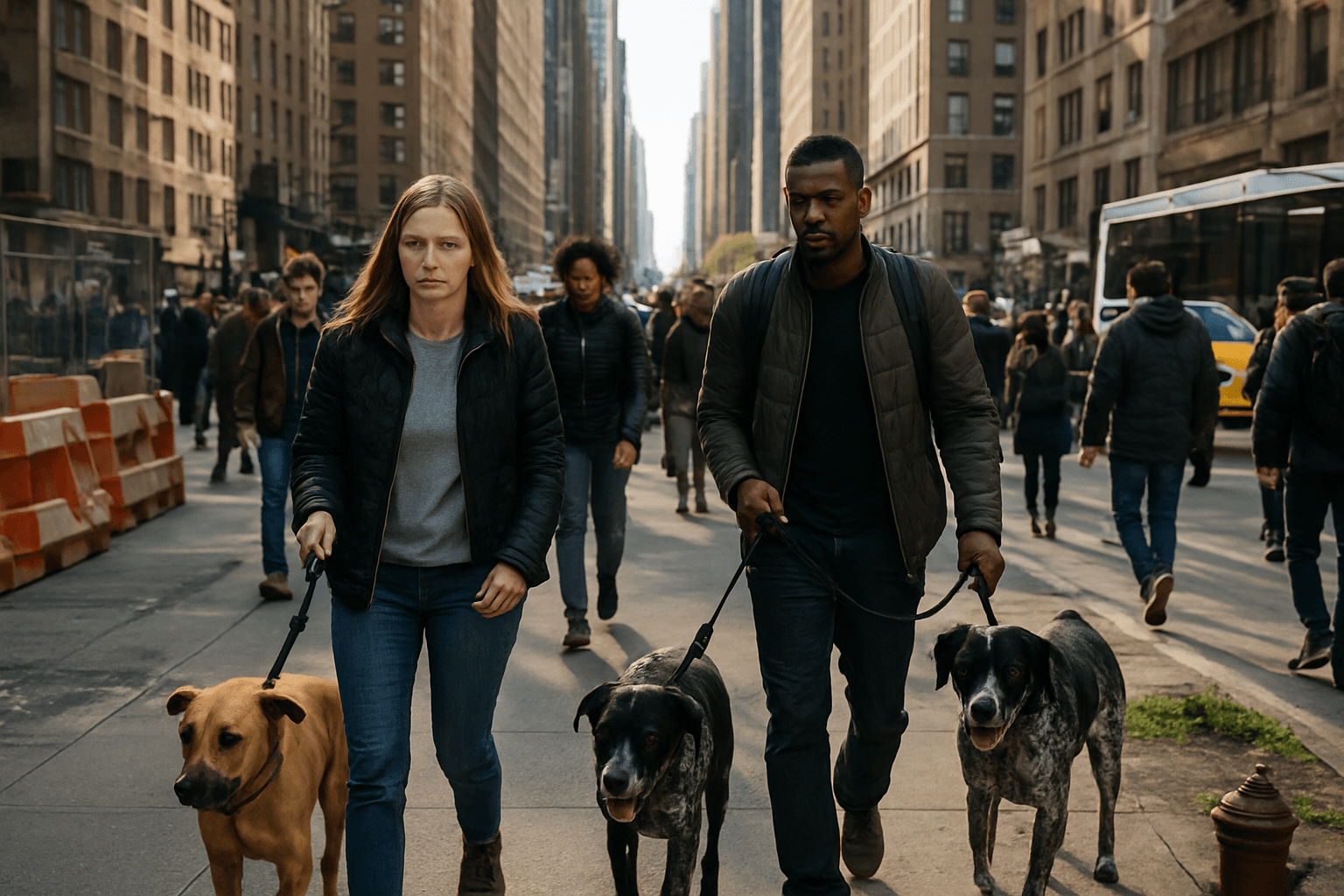
Living in Manhattan means your dog experiences constant sensory overload. The never-ending stream of sirens, construction noise, honking cars, and crowded sidewalks creates a stressful environment that can worsen separation anxiety. Dogs pick up on their owner’s stress levels, and the fast-paced energy of city life often leaves both pets and people feeling overwhelmed.
Apartment living adds another layer of complexity. Thin walls mean your dog hears neighbors coming and going all day, triggering alert responses and making it harder for them to settle when you’re away. The lack of a backyard or safe outdoor space limits natural stress-relief opportunities that suburban dogs take for granted.
Many Manhattan dogs develop hyper-vigilance from constant urban stimulation, making them more reactive when left alone. The elevator rides, crowded lobbies, and unpredictable encounters with other dogs and people create a heightened state of arousal that carries over into alone time.
Overcoming Limited Space for At-Home Exercise and Enrichment
Manhattan apartments rarely offer the space needed for proper canine enrichment. Most dogs need room to run, play, and explore, but a 500-square-foot studio doesn’t provide adequate physical or mental stimulation. This lack of activity builds up energy and anxiety that explodes when owners leave.
Without yards or dedicated play areas, dogs miss out on natural behaviors like digging, chasing, and investigating new scents. These activities serve as natural stress relievers and confidence builders. Indoor enrichment options are limited, and even puzzle toys and interactive feeders can only do so much in cramped quarters.
The result? Dogs become understimulated and bored, making separation anxiety symptoms worse. A tired, mentally satisfied dog is much more likely to rest peacefully during owner absences than one bouncing off apartment walls with pent-up energy.
Dealing with Extended Work Hours in a Fast-Paced City
Manhattan’s demanding work culture often means 10-12 hour days, plus lengthy commutes. These extended absences push many dogs past their comfort zone, especially those already prone to separation anxiety. Young puppies and senior dogs particularly struggle with long periods alone.
The unpredictable nature of city careers makes matters worse. Late meetings, client dinners, and travel demands mean dogs never know when their owners will return. This uncertainty prevents them from developing healthy coping routines and keeps stress levels elevated.
Many dog owners find themselves choosing between career advancement and their pet’s wellbeing. The guilt of leaving an anxious dog alone for extended periods creates a cycle where owners become more anxious about leaving, which their dogs sense and mirror. Professional dog daycare breaks this cycle by providing structured care, socialization, and exercise during those crucial daytime hours when separation anxiety typically peaks.
Related Articles
How Often Should Your Dog Attend Daycare in Manhattan NYC?
Dog Daycare Solutions for Busy NYC Professionals: A Lifesaver
Choosing the Right Daycare Facility in Manhattan
Evaluating Staff Qualifications and Training in Anxiety Management
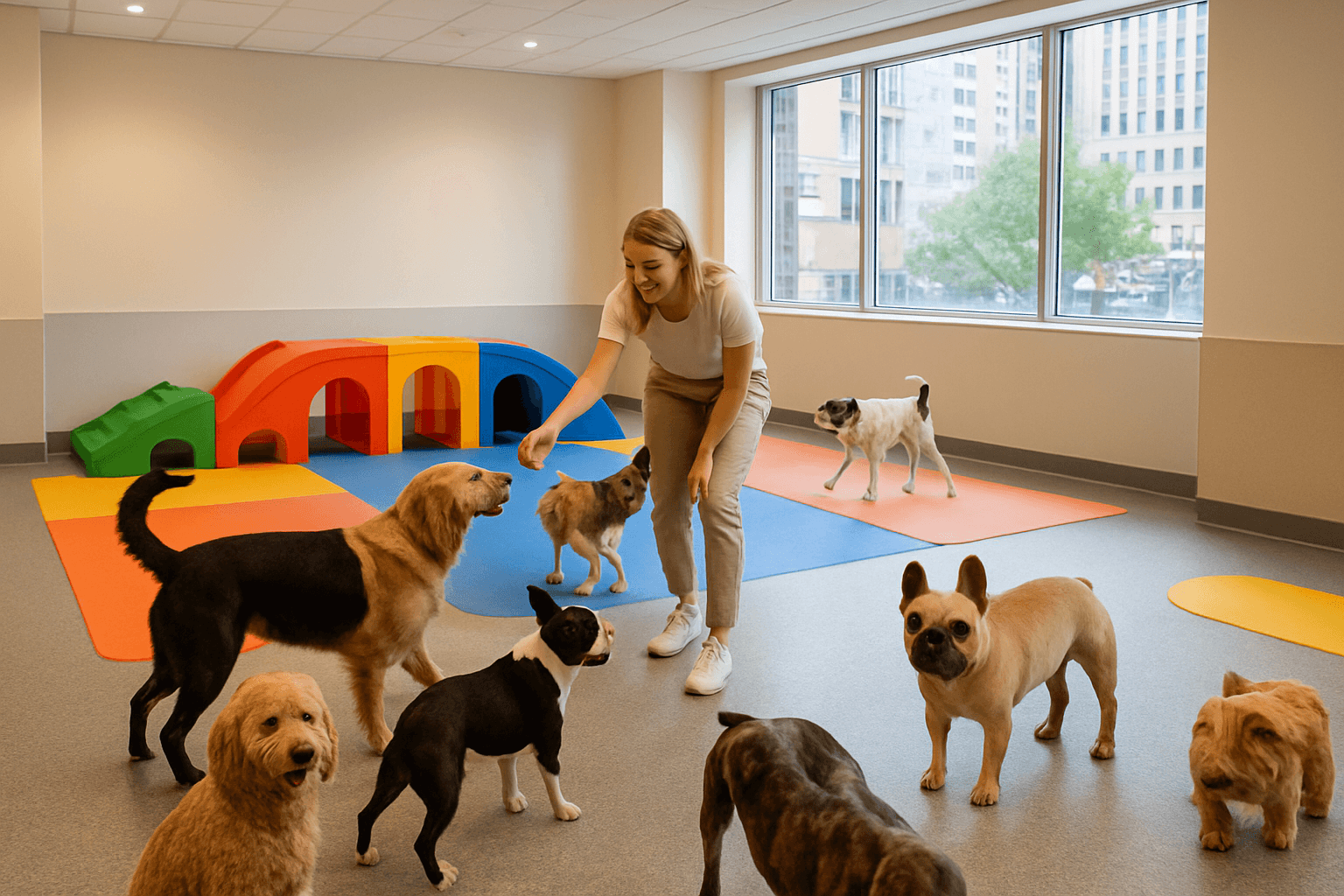
The people caring for your anxious dog make all the difference. Look for facilities where staff members have formal training in canine behavior and anxiety management techniques. Many reputable daycare centers seek education through organizations such as the Certification Council for Professional Dog Trainers, which sets national standards for canine training and behavior.
Experience matters just as much as credentials. Staff should understand the subtle signs of stress in dogs – panting, pacing, excessive drooling, or withdrawal from activities. They need to know when to step in with calming techniques and when to give a dog space to decompress. The best facilities have staff who can read canine body language fluently and adjust their approach based on each dog’s individual needs.
Don’t hesitate to ask about their specific protocols for anxious dogs. Do they use positive reinforcement techniques? How do they handle dogs who become overwhelmed? Quality facilities will have clear procedures and be eager to discuss their methods with you.
Assessing Facility Safety and Cleanliness Standards
Walking through a potential daycare should give you immediate confidence in their standards. Clean facilities aren’t just about appearance – they directly impact your dog’s health and stress levels. Look for proper ventilation systems, non-slip flooring, and secure fencing both indoors and outdoors.
Safety features should include:
- Multiple emergency exits
- First aid stations with canine-specific supplies
- Proper drainage in play areas
- Sanitizing stations throughout the facility
- Temperature controls for comfort year-round
Pay attention to how dogs are grouped. Responsible facilities separate dogs by size, temperament, and play style. They should have quiet areas where anxious dogs can retreat when feeling overwhelmed. The layout should allow staff to supervise all areas effectively without blind spots.
Check their vaccination requirements and health screening protocols. Reputable facilities require up-to-date vaccinations, flea and tick prevention, and regular health checks, aligning with guidance from the Centers for Disease Control and Prevention, before allowing dogs to participate in group activities.
Understanding Daycare Policies and Procedures
Every quality daycare should provide detailed written policies covering their approach to anxious dogs. These documents reveal how seriously they take behavioral issues and whether they’re equipped to handle your dog’s specific needs.
Key policies to review include:
| Policy Area | What to Look For |
|---|---|
| Assessment Process | Initial evaluation period, behavioral screening |
| Staff-to-Dog Ratios | Maximum 10-12 dogs per staff member |
| Emergency Procedures | Veterinary contacts, incident reporting |
| Communication | Daily reports, photo updates, behavioral notes |
Their intake process should include a thorough behavioral assessment where they observe your dog’s interactions and stress levels. Quality facilities often require a trial period to ensure your dog is a good fit for their program.
Ask about their communication style. Do they provide daily updates about your dog’s activities and mood? Can you access live cameras to check in during the day? Transparent communication helps build trust and allows you to track your dog’s progress in managing separation anxiety.
The best facilities maintain detailed records of each dog’s behavior patterns, preferences, and any incidents. This information helps them provide consistent care and track improvement over time.
Related Articles
How to Choose the Best Dog Daycare in Manhattan: A Checklist
Conclusion
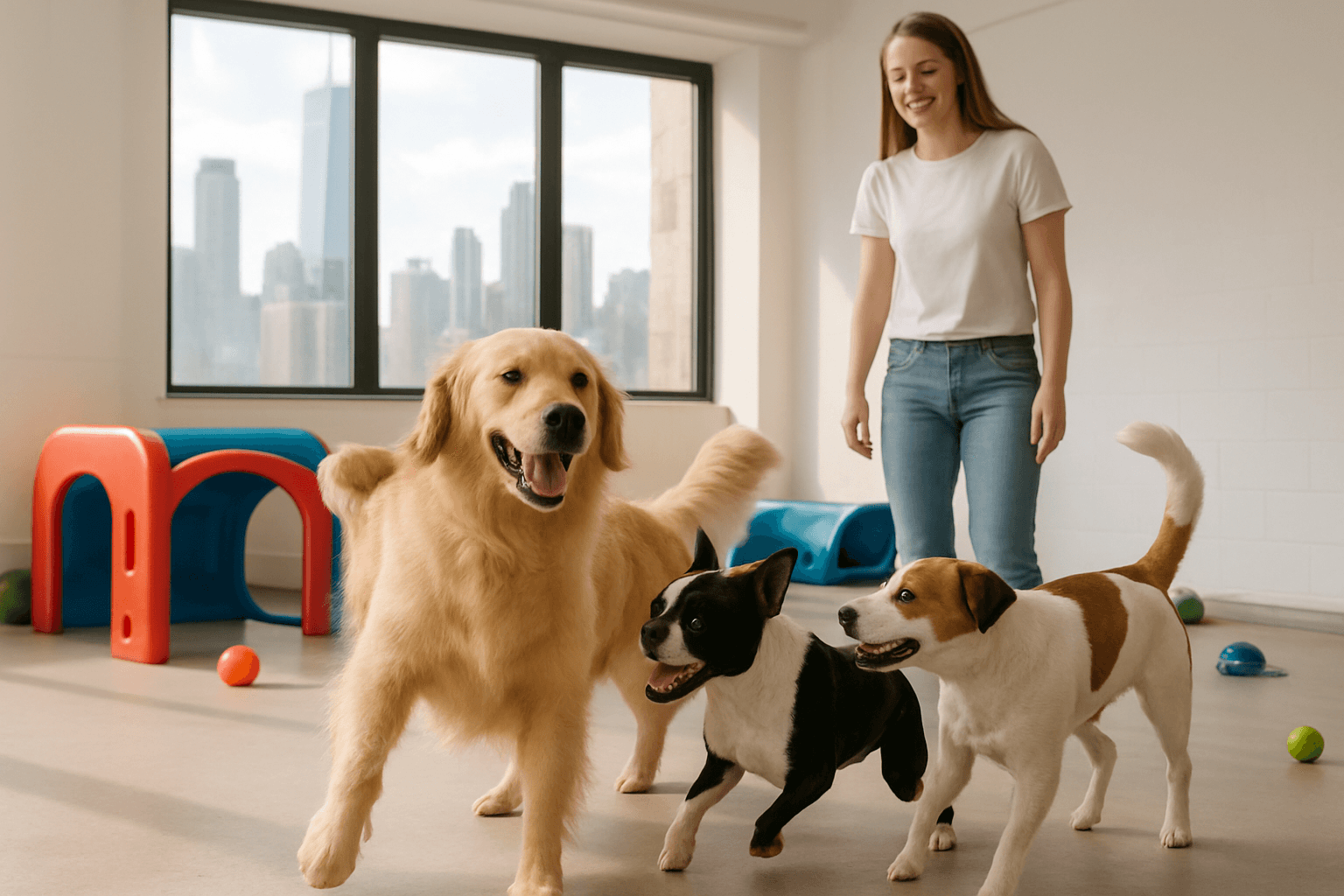
Dog daycare can be a game-changer for Manhattan pet owners dealing with separation anxiety. The structured environment, social interaction, and mental stimulation that quality daycare facilities provide help dogs build confidence and learn that being away from their owners isn’t something to fear. When your furry friend is busy playing, learning, and making new friends, those anxious behaviors like destructive chewing or excessive barking often fade away.
Finding the right daycare in Manhattan takes some research, but the benefits are worth it. Look for facilities with experienced staff, proper safety protocols, and a good understanding of canine behavior. If you’re exploring broader options beyond daycare, our guide to Pet Care Services in Manhattan, NYC can help you find a place where your dog can thrive while you’re at work, giving you peace of mind knowing they’re happy and well-cared for.
Frequently Asked Questions (FAQs)
Dog daycare provides structured socialization, supervised play, and mental stimulation that keep dogs engaged throughout the day. This prevents the loneliness and panic they feel when left alone, helping them build confidence and develop healthier emotional responses to owner departures.
Yes—many dogs with moderate to severe separation anxiety improve significantly with consistent daycare attendance. However, the daycare should have trained staff, quiet zones, and experience working with anxious dogs. In extreme cases, daycare should complement a behavior plan created with a veterinarian or certified trainer.
Most dogs benefit from attending daycare 2–4 times per week, allowing them to build routine, confidence, and social skills. Consistency matters more than frequency—regular attendance helps anxious dogs learn that time away from their owners can be safe and enjoyable.
Common improvements include reduced barking or whining during departures, fewer destructive behaviors at home, better sleep, increased confidence, and more relaxed body language. Many owners also notice their dogs return home calmer and more satisfied.
Choose a daycare with experienced staff trained in canine behavior, structured routines, quiet zones, safe playgroups, and strong communication practices. Facilities that offer gradual introductions, enrichment activities, and anxiety-aware supervision are ideal for dogs who need extra emotional support.