
Dog walking on the Upper East Side comes with its own set of unspoken rules that every pet owner needs to know. This guide is for new residents, first-time dog owners, and anyone who wants to walk their pup confidently through one of Manhattan’s most refined neighborhoods — whether you’re walking on your own or relying on Dog Walking Services in the Upper East Side, NYC to help navigate busy sidewalks and daily routines.
You’ll learn how to master the sidewalk dynamics that make Upper East Side dog walking unique, from proper leash handling on crowded streets to reading the social cues of fellow dog owners. We’ll also cover the essential park etiquette that keeps you in good standing at popular spots like Carl Schurz Park and Central Park’s east side. Plus, you’ll discover how to handle those inevitable social interactions with other dog owners, doormen, and neighbors that can make or break your reputation in the community.
Master the Basics of Upper East Side Dog Walking Culture
Understand neighborhood walking schedules and peak times
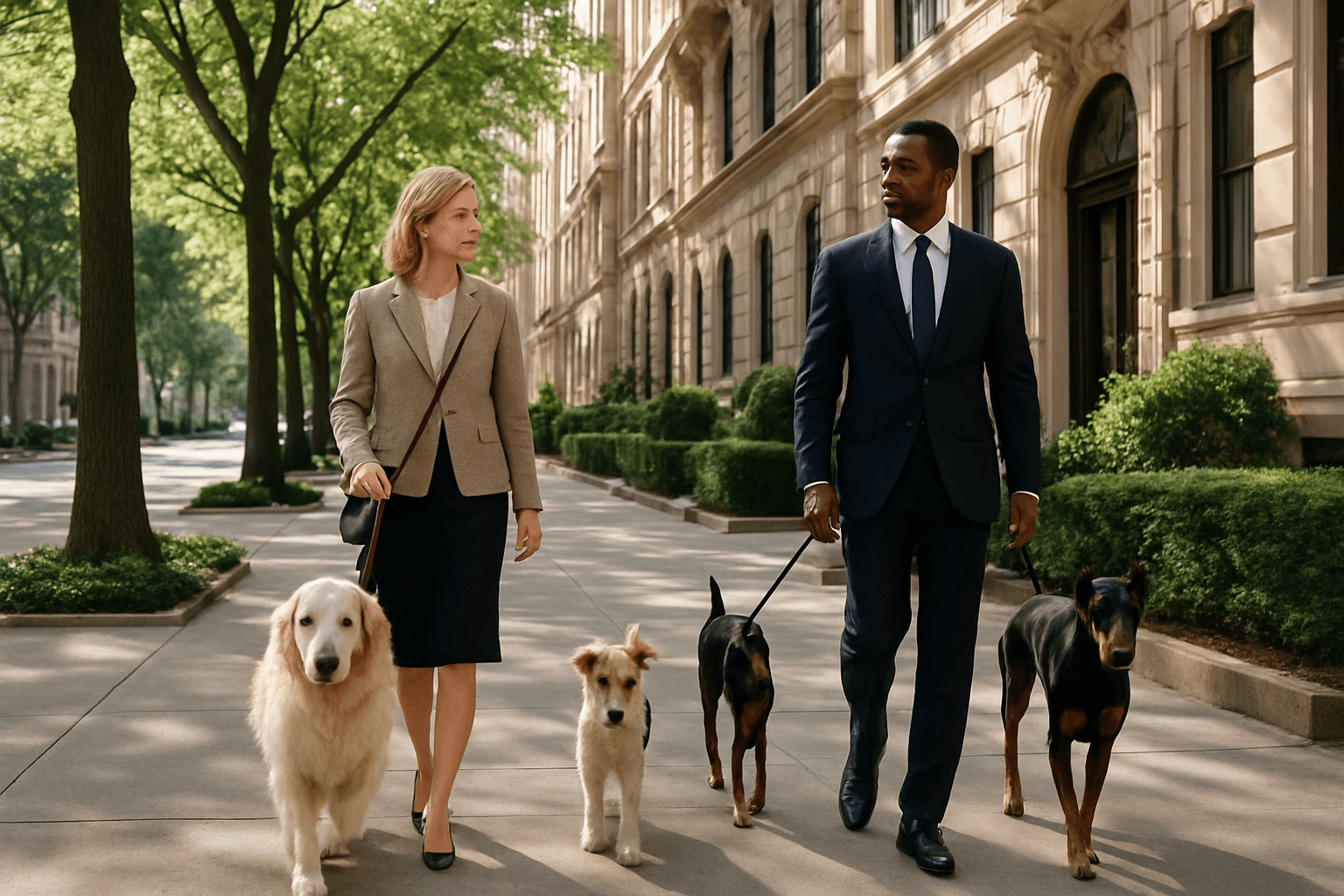
The Upper East Side operates on a rhythm that seasoned dog walkers know by heart. Morning rush happens between 7:00-9:00 AM when residents squeeze in quick walks before heading to work. You’ll find the sidewalks packed with hurried owners and equally eager pups trying to handle business before the day begins.
Mid-morning from 9:30-11:30 AM belongs to the professional dog walkers and stay-at-home pet parents. This window offers the most relaxed atmosphere for longer walks and socialization. Sidewalks clear out significantly, giving you more space to maneuver and let your dog explore.
Lunch hour brings a brief surge around 12:00-1:00 PM as some dedicated owners dash home or hire midday walking services. The real evening rush hits between 5:30-7:30 PM when the workday ends and everyone floods the streets again.
Weekend mornings shift later, with peak activity running 9:00 AM-12:00 PM. Many dog owners use this time for extended park visits and social meetups.
Peak Times to Avoid:
- School dismissal hours (3:00-4:00 PM) near schools
- Restaurant dinner rush areas (7:00-9:00 PM)
- Late night bar crowds (after 11:00 PM)
Learn the unwritten rules of sidewalk navigation
Upper East Side sidewalk etiquette demands awareness and quick reflexes. Keeping dogs on the building side aligns with pedestrian flow principles promoted by the NYC Department of Transportation, which emphasizes clear pathways and sidewalk safety in high-density neighborhoods. This simple positioning prevents tangles and keeps foot traffic flowing smoothly.
Short leashes rule here – 4 feet maximum. Long retractable leashes create trip hazards and block pathways, and New York City enforces specific leash and sanitation requirements outlined by the NYC Department of Health to keep sidewalks safe for everyone.
Always yield to elderly residents, parents with strollers, and people with mobility aids. The neighborhood has a significant senior population who deserve respectful passage. Step into doorways or against buildings when necessary to let them pass comfortably.
Watch for the “New York pause” – that moment when your dog stops to sniff and you need to decide whether to wait or redirect. On busy blocks, redirect quickly. On quieter streets, a brief pause is acceptable.
Never let your dog approach other dogs or people without permission. The simple question “Is your dog friendly?” works wonders. Some dogs are in training, others are reactive, and many owners prefer to keep walking.
Sidewalk Don’ts:
- Block building entrances while your dog investigates
- Let your dog drink from street puddles (health hazard)
- Stop suddenly without checking behind you
- Allow your dog to jump on people in business attire
Recognize local dog walking professionals and their protocols
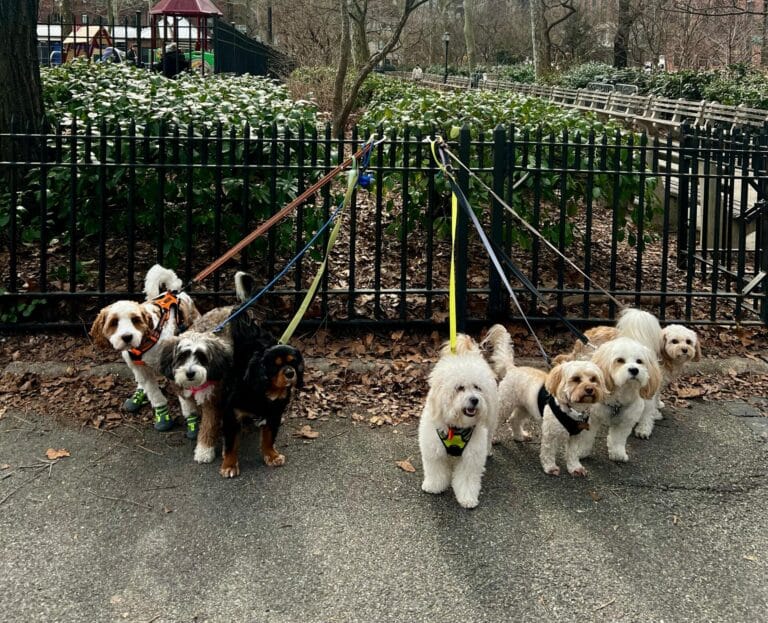
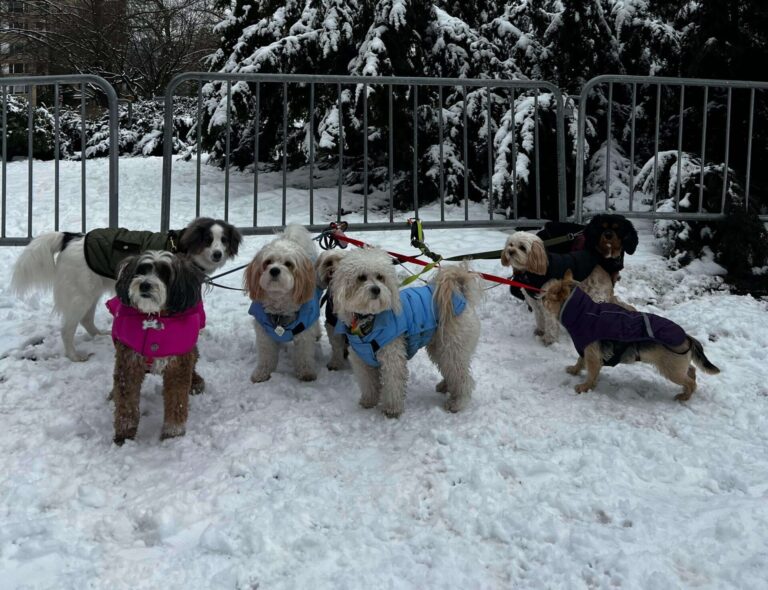
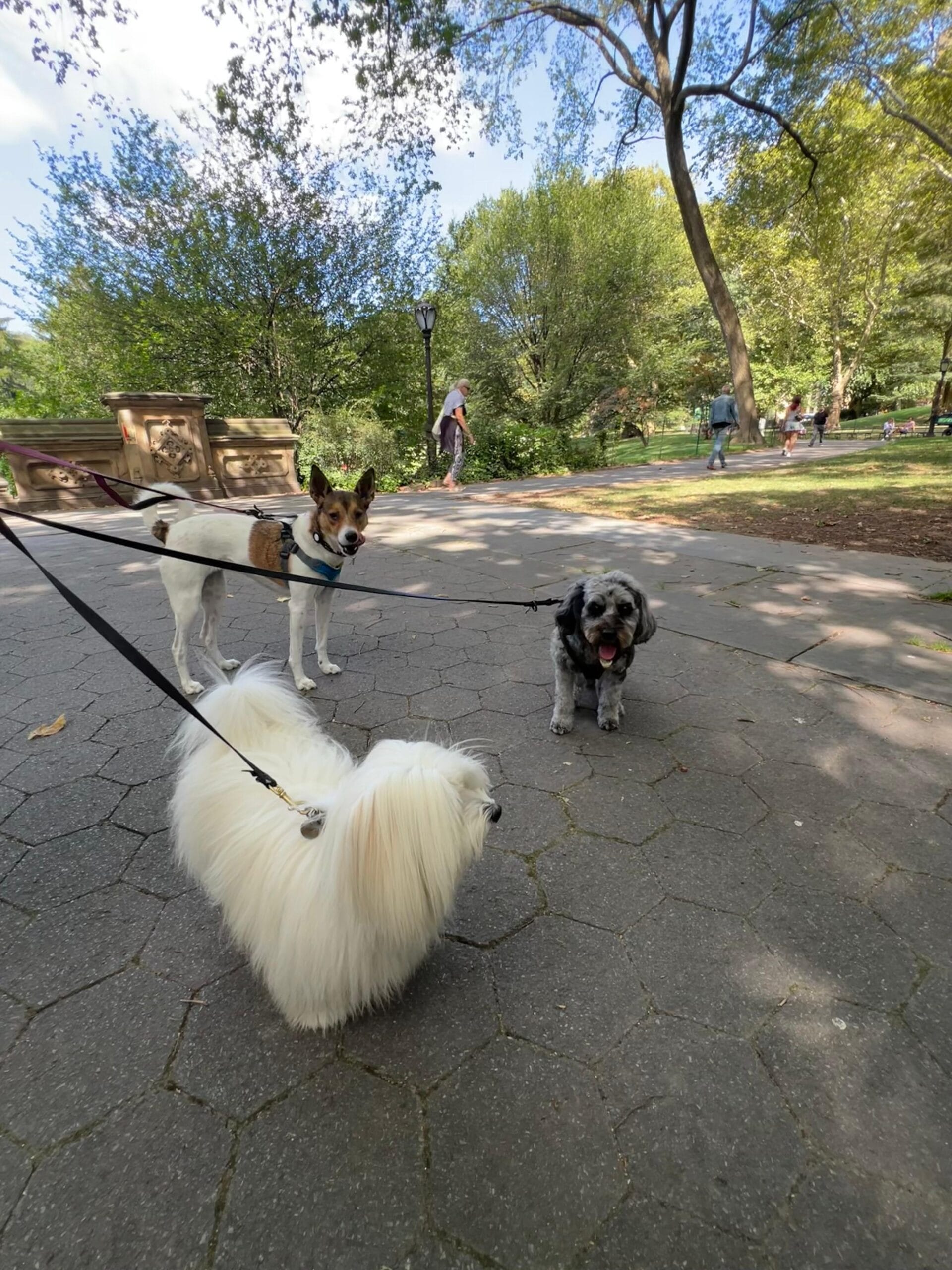
Professional dog walkers are the backbone of Upper East Side pet care, and understanding their world makes everyone’s experience smoother. These pros typically manage 3-6 dogs simultaneously using specialized equipment like multi-dog leashes and treat pouches.
You’ll spot them by their efficiency and calm control over their pack. They move with purpose, know exactly where they’re going, and handle multiple personalities with practiced ease. Most wear company shirts or carry business cards, and many have developed relationships with doormen and building staff.
Professional walkers follow strict schedules and routes. They’re not lingering for social chats during work hours, though they’re usually happy to share quick tips or recommendations. Respect their time constraints – they have other pickups waiting.
Many buildings have preferred walker policies. Some require registration, background checks, or specific insurance coverage. Doormen often coordinate with regular services, so you’ll see the same faces repeatedly.
Professional Walker Courtesy:
- Don’t interrupt them during dog management
- Ask before letting your dog join their group
- Respect their space in elevators and building lobbies
- Understand they may need to keep moving on schedule
Common Professional Services:
- Mid-day potty breaks and exercise
- Extended adventure walks to Central Park
- Specialized care for senior or special needs dogs
- Group socialization walks for friendly dogs
These professionals often have insider knowledge about the best local routes, dog-friendly businesses, and neighborhood events. Building relationships with them can enhance your own dog walking experience and provide backup care options when needed.
Related Articles:
Why the Upper East Side is One of the Best Neighborhoods for Dog Walking
A Local’s Guide to Dog Walking Near Central Park’s East Side Entrances
Navigate Sidewalk Etiquette Like a Pro
Master Proper Leash Positioning for Narrow Sidewalks
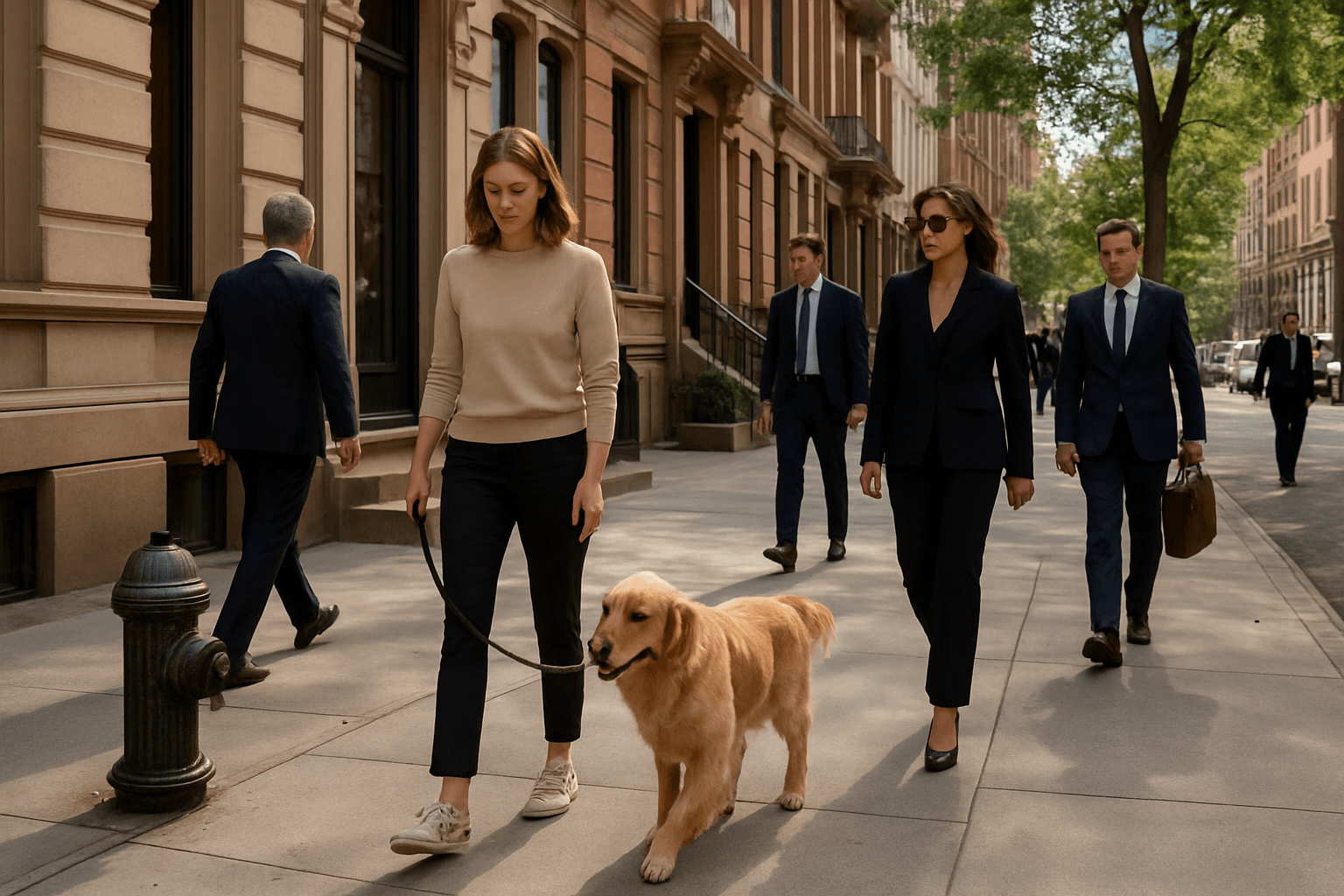
Upper East Side sidewalks demand strategic leash work. Keep your dog on your building side – this creates a buffer between your pup and passing pedestrians while giving you better control. The ideal leash length on narrow walkways is 3-4 feet, short enough to prevent your dog from wandering into foot traffic but long enough for natural movement.
When walking past scaffolding or construction zones, switch your dog to the opposite side if needed. Always maintain visual contact with your dog’s position relative to other pedestrians. If someone approaches from behind at a fast pace, gently guide your dog closer to the building line and pause if necessary.
Retractable leashes become problematic on crowded sidewalks – the extended cord creates trip hazards and reduces your control. Stick with a fixed-length leash for city walking. Watch for street vendors, outdoor dining setups, and storefront displays that narrow walkway space unexpectedly.
Handle Encounters with Other Dog Walkers Gracefully
Reading both dogs’ body language before allowing interaction is essential. According to the American Kennel Club, signals like stiff posture or intense staring often indicate stress and the need for more space.
When you spot another dog walker approaching, make eye contact with the owner first. A simple nod or “friendly?” question establishes whether both parties want their dogs to interact. If either dog shows stress signals, cross the street or step into a building alcove to create space.
Proper greeting protocol involves keeping initial meetings brief – 3-5 seconds maximum. Both owners should maintain loose leashes and be ready to redirect their dogs if tension develops. Never let your dog approach another without permission, even if your dog is perfectly socialized.
Some dogs work better with parallel walking before face-to-face meetings. Walk in the same direction with adequate space between dogs, then gradually decrease distance if both animals remain calm.
Manage Your Dog Around Busy Pedestrian Areas
Peak pedestrian hours on the Upper East Side run from 7-9 AM and 5-7 PM. During these times, position yourself and your dog strategically to avoid creating bottlenecks. Stop only in doorway alcoves or against building walls, never in the middle of foot traffic flow.
School zones require extra attention. Children move unpredictably and may approach your dog without warning. Keep your dog in a tight heel position and be prepared to redirect excited kids who want to pet your pup. A polite “he’s working right now” usually works better than an outright “no.”
Near subway entrances and bus stops, people rush and carry large bags or coffee. Your dog might get accidentally bumped or stepped on. Create maximum distance from these congestion points, even if it means crossing the street.
Shopping areas along Madison Avenue present unique challenges with people carrying multiple bags, looking at phones, or window shopping. Stay alert for sudden directional changes from distracted pedestrians. Your dog should walk in a consistent heel position through these zones, responding immediately to your directional cues.
Related Articles:
Dog Walking Leash Laws in NYC’s Upper East Side
Choosing the Right Leash and Harness for Dog Walking in the Upper East Side
Respect Park and Green Space Guidelines
Follow Central Park dog run rules and regulations
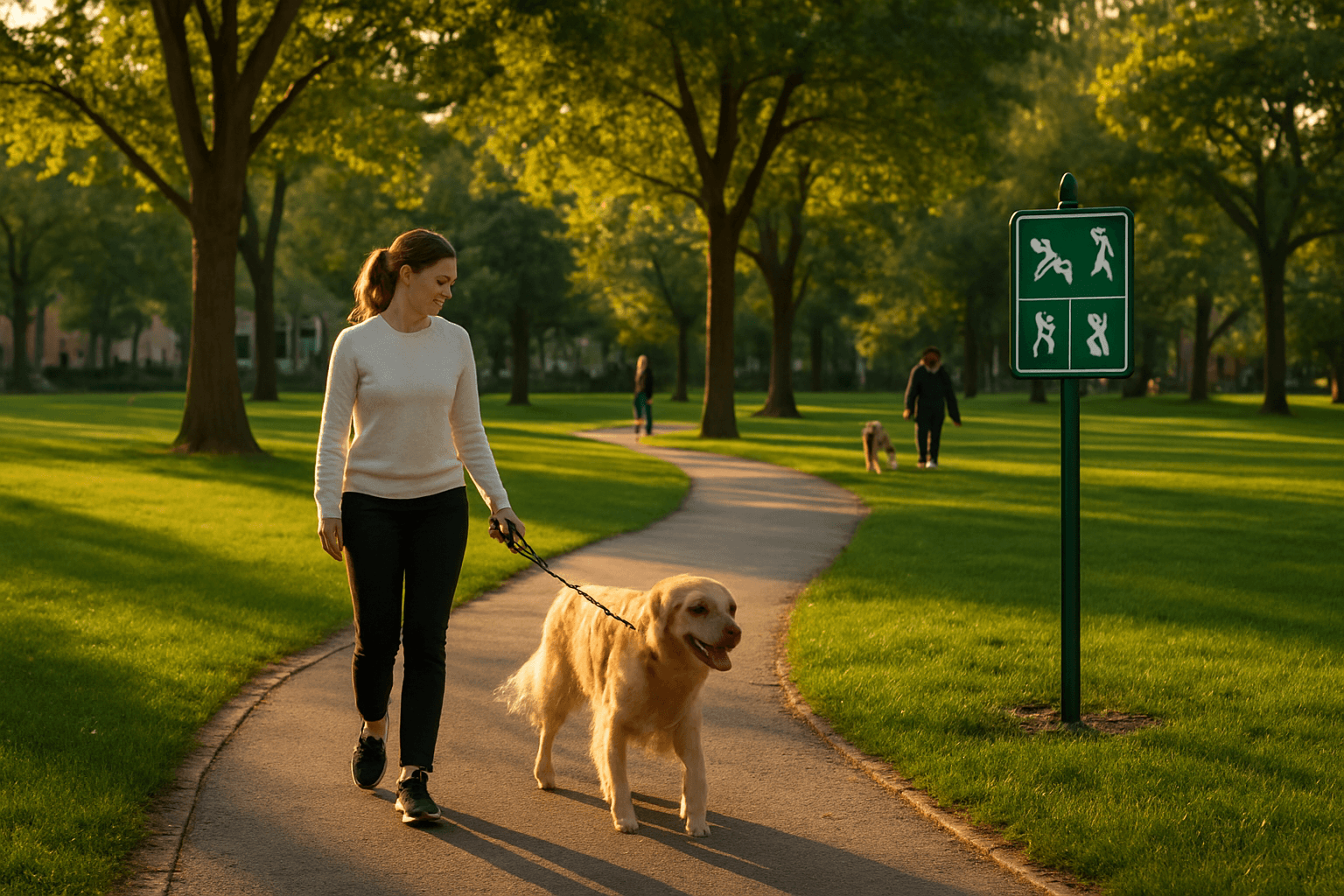
Central Park’s off-leash areas have specific hours when dogs can roam freely, as defined by NYC Parks, with strict leash requirements enforced during peak daytime hours to protect visitors and park landscapes. During peak daytime hours, your dog must remain leashed at all times. The Conservancy takes these rules seriously, and park rangers regularly patrol these areas.
Dog runs like the ones at East 72nd Street and East 96th Street have their own set of guidelines. Remove your dog’s leash only after entering the double-gated area. Keep aggressive toys like balls and frisbees at home, as they can trigger resource guarding between dogs. Stay inside the run with your pet – don’t just drop them off and walk away.
Each dog run has waste stations, but bring your own bags as backup. Water bowls are typically available, but bringing a portable bowl ensures your dog stays hydrated. Some runs have separate areas for small and large dogs – respect these divisions as they prevent injuries and reduce anxiety for smaller breeds.
Weather conditions matter too. During summer months, check if the asphalt is too hot for paw pads before letting your dog run. Many dog runs close temporarily after heavy rain to prevent damage to the surfaces.
Clean up after your dog immediately and thoroughly
Carrying multiple waste bags isn’t just courteous – it’s essential for public health. Organizations like the ASPCA highlight proper waste disposal as a key responsibility of urban dog ownership.. Keep bags easily accessible in a dispenser attached to your leash or in your pocket. Don’t wait until you’re heading home to clean up accidents from earlier in your walk.
Double-bagging prevents tears and contains odors better, especially important on crowded sidewalks. Tie bags securely before disposing of them in designated trash receptacles. Never leave waste bags on the ground, even temporarily – other pedestrians and dogs can step in or investigate the contents.
Liquid waste requires attention too, especially on hot summer days. Carry a small water bottle to dilute urine spots on grass areas or near building entrances where the smell can become overwhelming. This simple step prevents dead spots on lawns and shows consideration for your neighbors.
Some buildings have specific waste disposal preferences. Doormen often appreciate when dog owners dispose of waste in street receptacles rather than lobby trash cans. Ask your building management about their preferred policy to maintain good relationships.
Maintain appropriate distance from non-dog owners
Not everyone wants to interact with your dog, no matter how friendly and well-behaved they are. Watch for visual cues like people stepping aside, pulling children closer, or looking uncomfortable when your dog approaches. Immediately create distance in these situations.
Joggers and cyclists need clear pathways, especially during morning and evening rush hours. Keep your dog close to your side when these active pedestrians approach. A retractable leash might seem convenient, but a standard 6-foot leash gives you better control in crowded areas.
People eating on benches or having outdoor meals at sidewalk cafes deserve space to enjoy their food without dog interference. Even the most well-trained dogs can be tempted by dropped crumbs or interesting smells. Guide your dog to walk on the opposite side of outdoor dining areas.
Parents with strollers often navigate tight spaces on busy sidewalks. Give them plenty of room to maneuver, especially near building entrances and subway exits. Some children are afraid of dogs, and rushing parents don’t always have time to explain or comfort scared kids.
Business professionals in suits heading to important meetings don’t want dog hair or muddy paw prints on their clothing. During peak commuting hours between 7-10 AM and 5-8 PM, maintain extra vigilance about your dog’s proximity to other pedestrians.
Related Articles:
How Weather Impacts Dog Walking Routines in the Upper East Side NYC
How to Keep Your Dog Engaged During Walks in the Upper East Side
Handle Social Interactions with Confidence
Introduce Your Dog to Other Dogs Safely
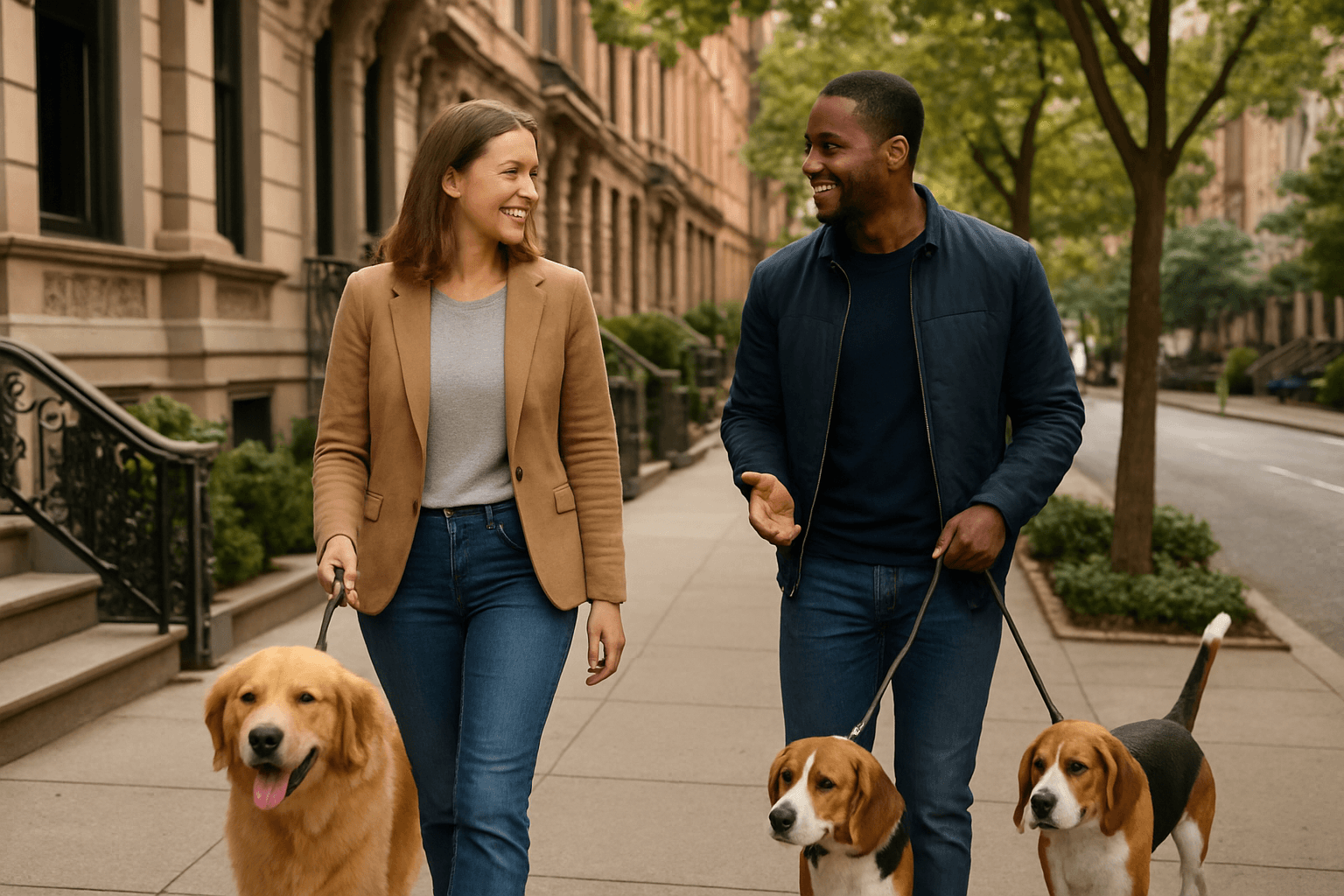
Dog-to-dog interactions on the Upper East Side require finesse and awareness. Before allowing your pup to approach another dog, always ask the owner if their dog is friendly and enjoys meeting new canines. Some dogs may be reactive, in training, or simply having an off day.
Keep initial meetings brief and on neutral ground. Allow the dogs to see each other from a distance first, watching their body language. Relaxed postures, play bows, and wagging tails signal positive interest. Stiff bodies, raised hackles, or intense staring suggest you should create more space and move along.
When both owners agree to a meet-and-greet, keep leashes loose but maintain control. Tight leashes create tension that dogs can feel, potentially triggering defensive behavior. Let the dogs sniff briefly, then continue walking together for a few steps if all goes well. This parallel movement often helps dogs feel more comfortable than face-to-face encounters.
End interactions on a positive note while both dogs are still relaxed. Don’t wait for signs of overstimulation or tension to develop. Quick, successful meetings build your dog’s confidence and social skills better than prolonged interactions that might turn sour.
Engage Politely with Fellow Dog Owners
Upper East Side dog owners appreciate courteous, brief conversations that respect everyone’s time and space. Start with simple observations about the dogs or weather rather than personal questions. “Your golden retriever has such a beautiful coat” works better than asking about someone’s living situation or dog’s purchase price.
Keep conversations light and dog-focused unless the other person initiates deeper topics. Many dog walkers are on tight schedules, heading to work, or managing multiple dogs. Read social cues that signal when someone wants to chat versus when they prefer to keep moving.
Exchange pleasantries about training tips, local veterinarians, or upcoming neighborhood events. These topics create natural connections with fellow dog lovers while staying appropriate for brief sidewalk encounters. Avoid controversial subjects or lengthy personal stories that trap the other person in unwanted conversations.
If you meet the same people regularly, brief check-ins about how their dog is doing or remembering details from previous chats shows genuine interest in building community connections. This approach fosters the friendly neighborhood atmosphere that makes the Upper East Side special.
Manage Conversations Without Blocking Foot Traffic
Sidewalk real estate is precious on the Upper East Side, especially during busy morning and evening hours. When stopping to chat with fellow dog owners, immediately move to the building side of the sidewalk or step into a doorway alcove. This creates space for pedestrians to pass comfortably without having to navigate around your group.
Keep an eye on foot traffic flow even during pleasant conversations. If crowds start building or people begin walking around your group with obvious annoyance, wrap up the chat quickly. A simple “Let’s catch up another time” works perfectly and shows consideration for other sidewalk users.
Position yourself and your dogs so leashes don’t create trip hazards across the walking path. Shorter leashes during conversations prevent dogs from wandering into pedestrian traffic or approaching people who might not want animal contact. This also keeps your dog closer and more manageable during social interactions.
Watch for delivery workers, parents with strollers, elderly residents with walkers, and others who need extra space to navigate safely. These situations call for brief acknowledgments rather than extended conversations. Save longer chats for less crowded areas like building lobbies or quieter side streets where you won’t impede the steady flow of neighborhood life.
Related Articles:
Best Time of Day for Dog Walking in the Upper East Side
Conclusion
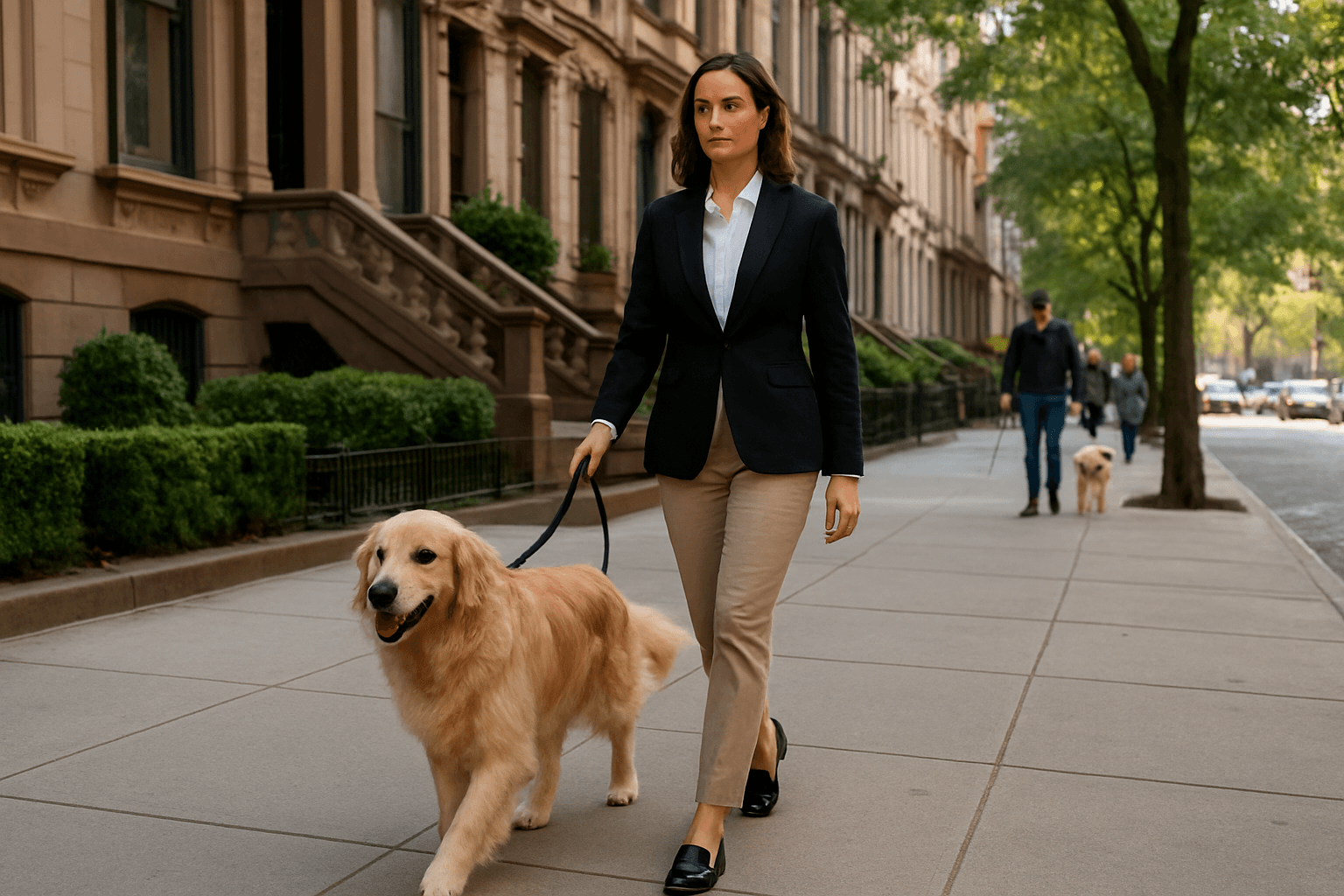
Upper East Side dog walking isn’t just about getting your pup some exercise—it’s about becoming part of a community that values respect, cleanliness, and consideration. From keeping your dog close on busy sidewalks to following park rules and engaging positively with other dog owners, these same principles guide professional Pet Care Services in Manhattan, NYC, helping maintain a high standard of care and courtesy across the city.
Ready to put these tips into practice? Start with one or two guidelines that feel most relevant to your routine, then gradually build up your etiquette skills. Your neighbors (both human and canine) will notice the difference, and you’ll quickly discover that good dog walking manners open doors to new friendships and create positive experiences throughout the Upper East Side. Grab that leash and show everyone how it’s done!
Frequently Asked Questions (FAQs)
The best times to walk your dog in the Upper East Side are mid-morning (9:30–11:30 AM) and later in the evening after 7:30 PM. These windows offer less crowded sidewalks and a calmer environment for both dogs and owners.
Retractable leashes are not recommended on Upper East Side sidewalks. Due to narrow walkways and heavy foot traffic, fixed leashes between 3–6 feet provide better control and help prevent tripping hazards.
Yes. Dogs must be on a leash in Central Park during daytime hours. Off-leash access is only permitted during designated early morning and late evening hours, as regulated by NYC Parks.
Always ask the other owner before allowing dogs to meet. Keep greetings brief, watch body language closely, and avoid interactions if either dog shows signs of stress or discomfort.
Proper etiquette includes keeping dogs close on a short leash, yielding to pedestrians, avoiding blocking entrances, cleaning up immediately after your dog, and respecting people who prefer not to interact with pets.