
Cat owners in Manhattan’s Upper East Side face a common dilemma when traveling: finding quality care that keeps their feline friends happy and healthy. In-home cat sitting in the Upper East Side offers a solution that prioritizes your cat’s comfort while giving you peace of mind.
This service is perfect for busy professionals, frequent travelers, and anyone who wants their cat to stay in familiar surroundings rather than experiencing the stress of a boarding facility. If you’re still comparing your options, our guide to Cat Sitting Services in the Upper East Side, Manhattan NYC explains the different types of care available and how to choose the best fit for your feline companion.
We’ll explore how in-home care creates a stress-free environment that reduces anxiety and behavioral issues. You’ll also discover the personalized attention your cat receives, from customized feeding schedules to one-on-one playtime that matches their personality. Finally, we’ll cover the health and safety benefits of keeping your cat at home, including reduced exposure to illnesses and the comfort of maintaining their established daily routines.
Stress-Free Environment for Your Feline Friend
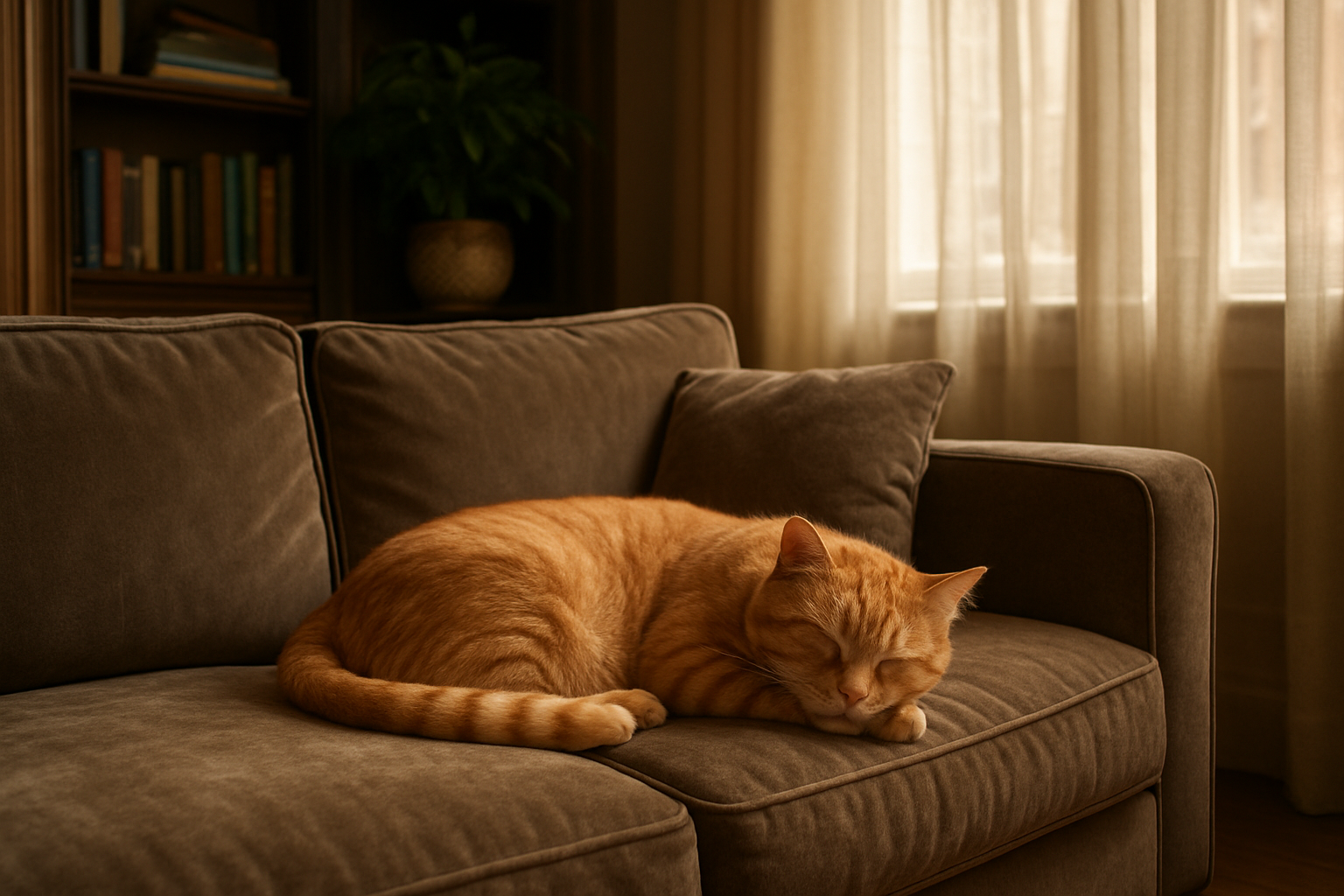
Familiar surroundings reduce anxiety and behavioral issues
Cats are creatures of habit who form deep emotional connections to their territory. When you choose in-home cat sitting in the Upper East Side, your feline friend stays exactly where they feel most secure – surrounded by their favorite furniture, familiar smells, and the comforting layout they know by heart. This environment acts as a natural stress reducer, preventing the anxiety-driven behaviors that often emerge when cats are relocated.
Moving a cat to an unfamiliar location can trigger destructive scratching, excessive hiding, loss of appetite, and even inappropriate elimination. According to the Cornell University College of Veterinary Medicine, stress in cats can significantly impact both physical health and emotional wellbeing, with behavioral changes often being the first visible sign. By keeping your cat at home, you eliminate these risks entirely. Your pet can continue their daily routines without the disruption that comes with new sights, sounds, and smells.
The psychological benefits extend beyond simple comfort. Cats use scent markers throughout their home to create a mental map of their territory. These familiar scent signatures help regulate their stress hormones and maintain emotional balance. When cats remain in their established territory, they retain access to these calming environmental cues that boarding facilities simply cannot replicate.
No exposure to other animals or unfamiliar scents
One of the most significant advantages of in-home cat sitting is protecting your pet from the stress of encountering unknown animals. Boarding facilities and catteries, despite their best efforts, expose cats to the scents, sounds, and energy of dozens of other animals daily. For many cats, this constant stimulation creates an overwhelming sensory experience that keeps them in a heightened state of alertness.
Even well-socialized cats can become stressed when surrounded by unfamiliar feline pheromones and territorial markers left by other animals. The American Association of Feline Practitioners (AAFP) explains that cats are highly sensitive to environmental changes and unfamiliar scents, which can trigger anxiety-related behaviors. At home, your cat encounters only the familiar scent profiles they’ve grown accustomed to over months or years.
The absence of other animals also eliminates the risk of behavioral regression. Cats may develop temporary aggression, territorial marking, or withdrawal behaviors when forced to share space with unknown pets. Your home environment protects against these disruptions while allowing your cat to maintain their established social comfort zone.
Maintains regular sleeping and hiding spots
Sleep quality directly impacts your cat’s immune system, mood, and overall health. Cats typically choose multiple sleeping locations throughout their home, rotating between spots based on temperature, lighting, and their current comfort needs. These chosen locations represent safe zones where they feel completely secure and can achieve deep, restorative sleep.
In-home care preserves access to every preferred sleeping spot – whether that’s the sunny windowsill in the afternoon, the cozy closet corner, or that specific spot on your bed where they always curl up. This continuity supports healthy sleep patterns and prevents the sleep disruption that commonly occurs when cats must adapt to new sleeping arrangements.
Your cat’s hiding spots serve equally important functions for emotional regulation. When cats feel overwhelmed or simply need solitude, they retreat to specific locations that provide psychological safety. These might include spaces under beds, inside closets, or behind furniture. Maintaining access to these retreat spaces allows your cat to self-regulate their stress levels and maintain emotional equilibrium throughout your absence.
Related Articles:
Cat Sitting in the Upper East Side: What to Know Before Booking
Personalized Care Tailored to Your Cat’s Unique Needs
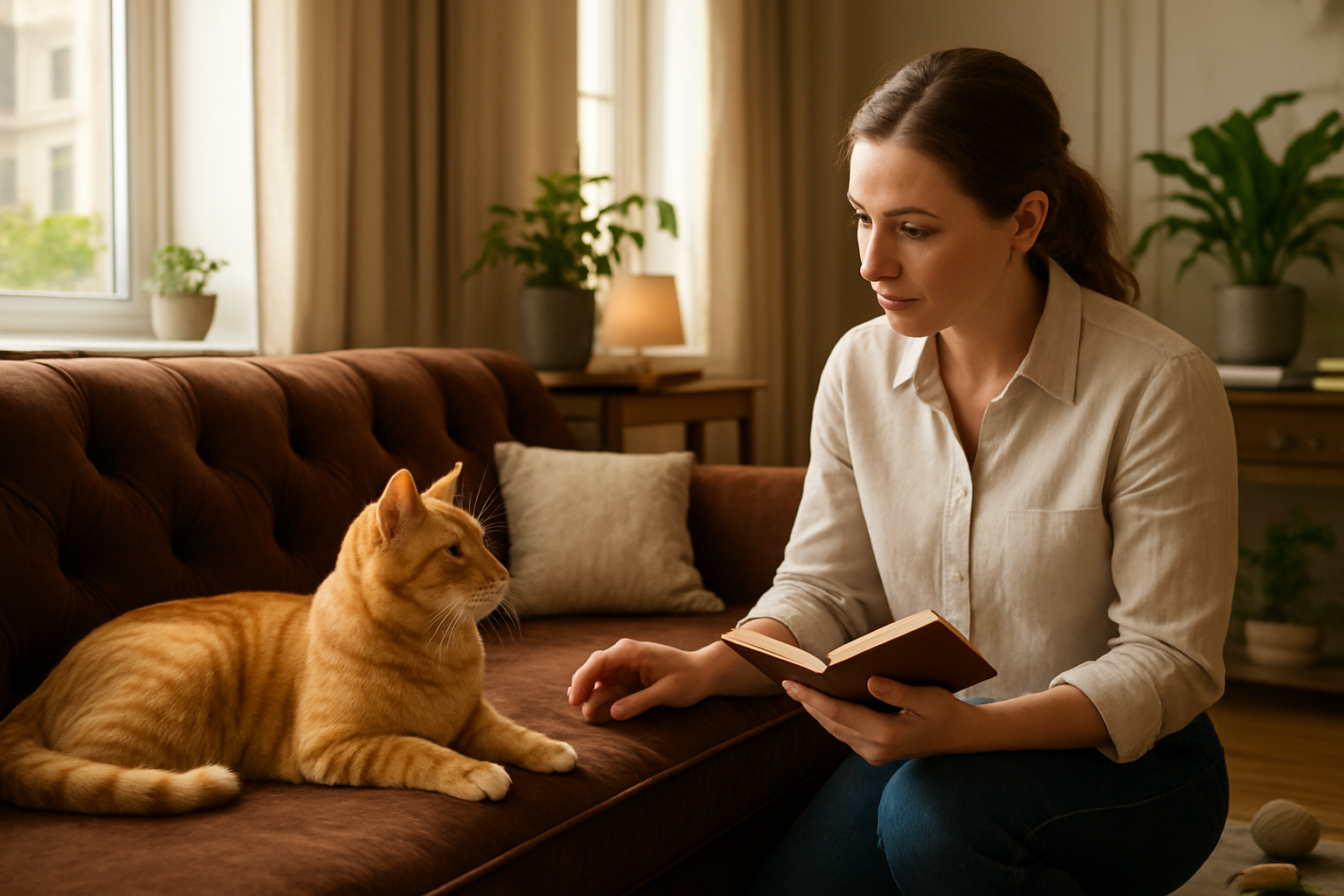
Customized feeding schedules and dietary requirements
Every cat has its own unique relationship with food, and professional in-home sitters understand this better than anyone. Your Persian might prefer small, frequent meals throughout the day, while your Maine Coon could be perfectly content with two larger portions. A dedicated cat sitter takes time to learn these preferences and maintains your pet’s exact routine.
Special dietary needs become much easier to manage with personalized in-home care. Cats with sensitive stomachs, food allergies, or prescription diets receive the careful attention they need. The sitter ensures your diabetic cat gets meals at precise times to coordinate with insulin injections, or that your senior cat with kidney disease receives the right amount of therapeutic food. No more worrying about boarding facilities mixing up diets or missing crucial feeding windows.
Fresh water bowls, treat schedules, and even the specific brand of food your cat prefers – everything stays exactly as your feline friend expects. This consistency prevents digestive upset and maintains your cat’s comfort level during your absence.
Individual attention and playtime preferences
Cats are individuals with distinct personalities and play styles. Some cats go crazy for feather wands, while others prefer laser pointers or simple cardboard boxes. Your in-home sitter learns these preferences and provides engaging activities that match your cat’s energy level and interests.
Shy cats get gentle, patient interaction that respects their boundaries, while social butterflies receive the attention and companionship they crave. The sitter adapts their approach based on your cat’s mood and comfort level each day. Interactive play sessions help prevent boredom and maintain your cat’s physical and mental health.
Social cats particularly benefit from having a consistent human companion who can provide conversation, gentle petting sessions, and quality lap time. This one-on-one attention reduces anxiety and keeps your cat emotionally balanced while you’re away.
Medication administration without clinic visits
Managing a cat’s medical needs at home eliminates the stress of transporting an already unwell pet to unfamiliar environments. Professional sitters are experienced in giving pills, applying topical treatments, and administering liquid medications safely and effectively.
Cats requiring daily medications like antibiotics, heart medications, or pain management drugs receive doses at the exact times prescribed by your veterinarian. The sitter documents each administration, ensuring you have a complete record of your cat’s treatment compliance.
Chronic conditions like diabetes, hyperthyroidism, or arthritis are managed seamlessly in your cat’s familiar environment. Blood glucose monitoring, insulin injections, and other specialized care continue without interruption. Your cat avoids the stress of boarding while receiving professional medical attention in the comfort of home.
Related Articles:
Overnight Cat Sitter in the Upper East Side: When It’s Needed
Health and Safety Advantages of In-Home Care
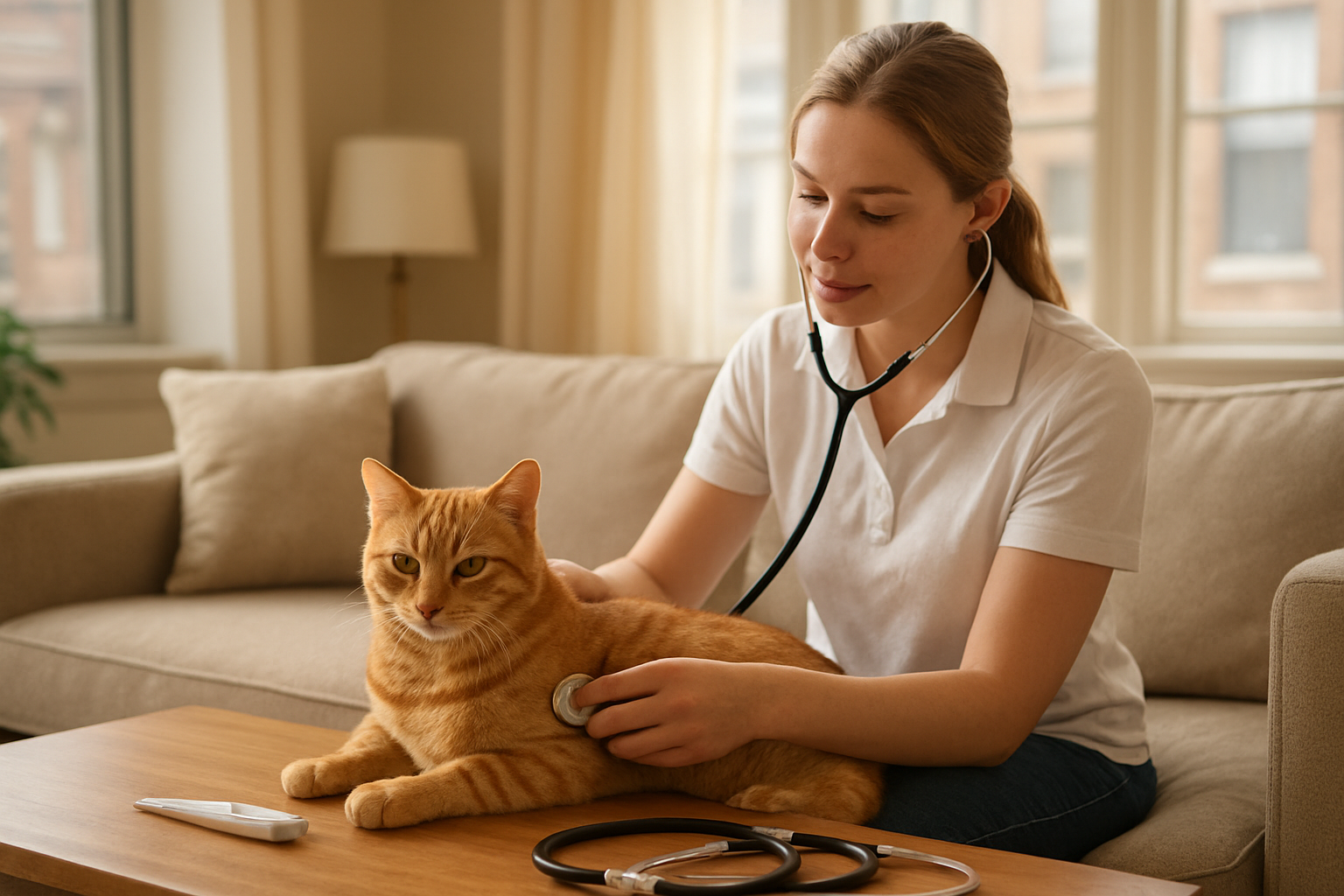
Reduced Risk of Illness from Other Animals
When your cat stays home during your absence, they’re shielded from the diseases and parasites commonly found in boarding facilities or multi-pet environments. The American Veterinary Medical Association (AVMA) notes that infectious diseases such as respiratory infections and parasites can spread more easily in shared animal housing environments. Your Upper East Side apartment becomes a protective bubble, free from these health threats.
Professional cat sitters maintain strict hygiene protocols without exposing your pet to unknown animals. This isolation proves especially valuable for senior cats, kittens, or cats with compromised immune systems who face higher risks from contagious diseases. Indoor cats particularly benefit since their immune systems haven’t developed resistance to outdoor pathogens that might be present on other animals’ fur or belongings.
The controlled environment also eliminates stress-induced illnesses that can occur when cats encounter unfamiliar animals. Stress weakens immune responses, making cats more susceptible to infections they might normally resist.
Immediate Attention to Health Concerns or Emergencies
In-home cat sitters provide rapid response to medical emergencies that could become life-threatening without prompt intervention. Unlike boarding facilities where staff might not notice subtle changes in behavior, your dedicated sitter focuses exclusively on your cat’s wellbeing throughout their visits.
Experienced sitters recognize early warning signs of common feline emergencies like urinary blockages, respiratory distress, or diabetic episodes. They maintain direct communication with your veterinarian and can transport your cat for immediate care when necessary. This quick response time often makes the difference between a manageable health issue and a critical emergency.
The sitter’s familiarity with your cat’s normal behavior patterns allows them to spot concerning changes that facility staff might miss. They know your cat’s typical energy levels, eating habits, and social behaviors, making deviations more obvious and actionable.
Continuous Monitoring of Eating and Bathroom Habits
Daily observation of your cat’s elimination and feeding patterns provides crucial health indicators that boarding facilities often overlook. Changes in litter box usage can signal kidney disease, diabetes, or urinary tract infections before symptoms become severe. Your sitter documents these patterns, creating a health record that benefits future veterinary care.
Appetite changes receive immediate attention rather than being attributed to “boarding stress.” Cats who stop eating for more than 24 hours risk developing hepatic lipidosis, a potentially fatal liver condition. In-home sitters can try different foods, feeding schedules, or contact your vet before this window closes.
The consistent monitoring also helps identify gradual changes that might indicate developing health conditions. Weight loss, increased water consumption, or subtle behavioral shifts become apparent when tracked daily by someone focused solely on your cat’s care.
Related Articles:
Cat Visits in the Upper East Side: What Happens During a Visit
Maintaining Established Routines and Habits
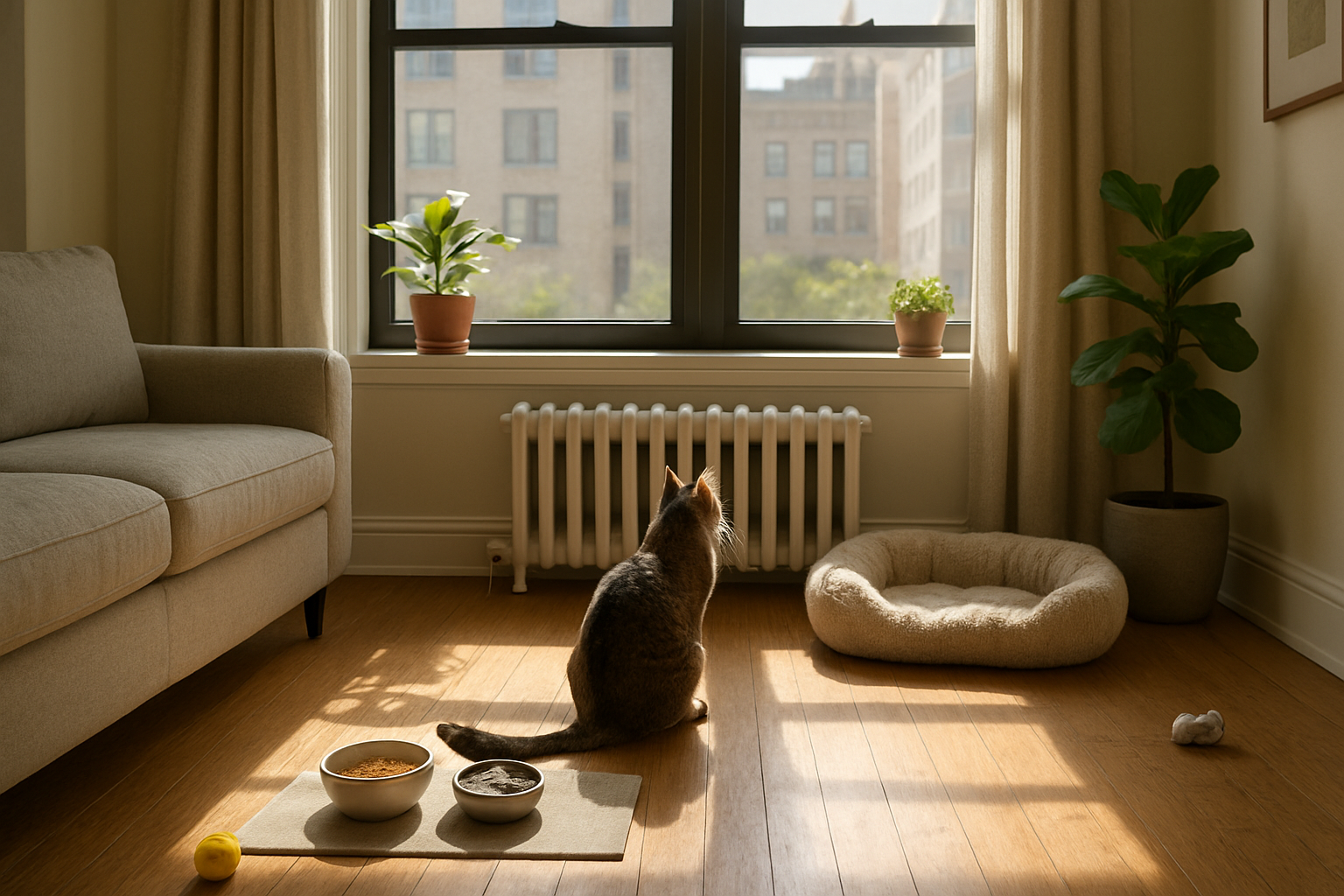
Consistent Meal Times and Portion Control
Cats thrive on predictable feeding schedules, and in-home cat sitting ensures your feline maintains the exact meal times they’re accustomed to. Your professional cat sitter will follow your established feeding routine down to the minute, whether your cat expects breakfast at 7 AM sharp or prefers smaller meals throughout the day.
This consistency prevents the anxiety and digestive issues that often arise when meal schedules get disrupted. Your sitter can monitor portion sizes precisely, ensuring your cat doesn’t overeat from stress or skip meals due to changes in their environment. For cats with special dietary requirements, medical conditions, or weight management needs, maintaining exact portion control becomes even more critical.
The sitter can also observe your cat’s eating habits closely, noting any changes in appetite or food preferences that might indicate health concerns. This level of attention to feeding details simply isn’t possible in boarding facilities where multiple cats are fed simultaneously.
Regular Grooming and Brushing Schedules
Your cat’s grooming routine doesn’t have to suffer while you’re away. Professional in-home cat sitters understand that regular brushing sessions are about more than just maintaining a beautiful coat – they’re essential for your cat’s physical and emotional well-being.
Long-haired cats especially benefit from daily brushing to prevent matting and reduce hairball formation. Your sitter will continue the exact brushing schedule your cat expects, using familiar tools and techniques your pet is comfortable with. This consistency helps reduce shedding throughout your home and maintains healthy skin circulation.
Grooming sessions also serve as valuable bonding time and health check opportunities. Your sitter can spot potential skin issues, unusual lumps, or changes in your cat’s coat condition early. For senior cats or those with mobility issues, regular brushing becomes even more important as they may struggle to groom themselves effectively.
Familiar Litter Box Locations and Cleaning Frequency
Nothing disrupts a cat’s sense of security quite like changes to their bathroom arrangements. In-home cat sitting preserves the familiar location, type, and cleanliness standards of your cat’s litter box setup.
Your sitter will maintain the exact cleaning schedule your cat expects – whether that’s scooping twice daily, weekly complete changes, or whatever routine keeps your particular feline happy. They’ll use the same litter brand and depth your cat prefers, avoiding the stress that comes with sudden substrate changes.
Multi-cat households especially benefit from this consistency, as territorial disputes often center around litter box access and cleanliness. Your sitter can monitor each cat’s bathroom habits, watching for changes that might indicate urinary tract infections, digestive issues, or stress-related problems. This level of observation and maintenance ensures your cats continue their normal elimination patterns without developing behavioral issues that could persist long after your return.
Conclusion
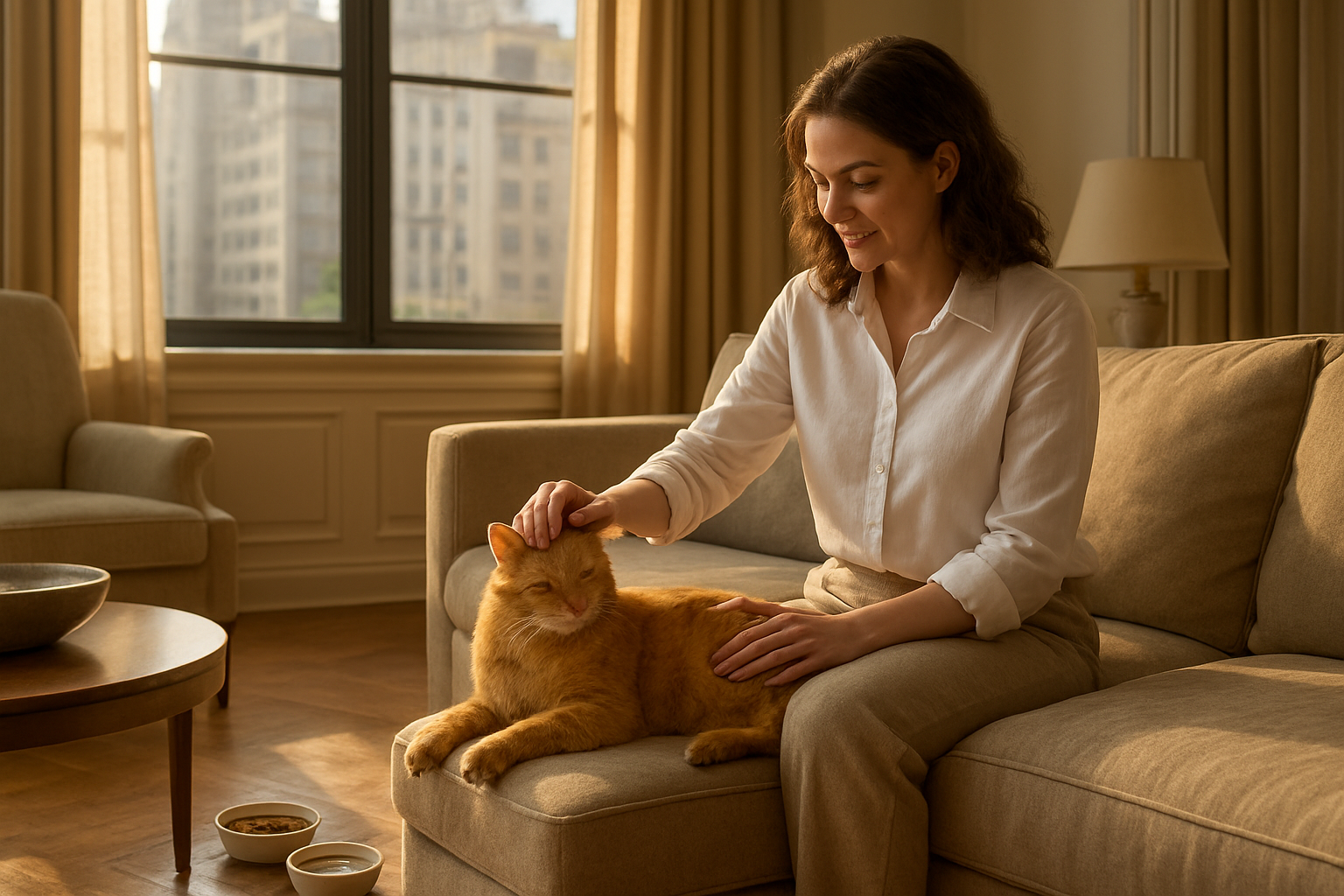
Your cat will thank you for choosing in-home sitting over traditional boarding options. The comfort of staying in their familiar space, combined with one-on-one attention that matches their personality, makes all the difference in your pet’s wellbeing. Plus, keeping their daily routine intact means you’ll come home to a relaxed, happy cat rather than a stressed-out furry friend who needs days to readjust.
If you’re living in the Upper East Side and planning your next trip, consider giving your cat the gift of staying home. As part of the broader range of Pet Care Services in Manhattan NYC, professional in-home cat sitters understand what makes each cat tick and can provide the personalized care your pet deserves.
Frequently Asked Questions (FAQs)
Most professional in-home cat sitters offer once or twice daily visits, depending on your cat’s needs. Kittens, senior cats, or cats with medical conditions may benefit from two visits per day, while independent adult cats may do well with one extended visit. Your sitter can customize the schedule to match your pet’s routine.
For most cats, yes. Cats are territorial animals and generally feel safer staying in their own environment. In-home cat sitting eliminates exposure to unfamiliar animals, reduces stress, and allows your cat to maintain their regular feeding, sleeping, and litter box routines.
Yes. Experienced in-home cat sitters can administer oral medications, topical treatments, and sometimes injections such as insulin. If your cat has a medical condition, be sure to discuss the details in advance so the sitter can follow your veterinarian’s instructions precisely.
Professional cat sitters monitor your cat’s behavior, appetite, and litter box habits daily. If they notice any concerning changes or if an emergency occurs, they will contact you immediately and coordinate with your veterinarian or a nearby Upper East Side animal hospital for prompt care.
Before you leave, provide clear written instructions covering feeding amounts, medication (if any), emergency contacts, and your veterinarian’s information. Make sure there is enough food, litter, and supplies for the duration of your trip. It’s also helpful to leave your cat’s favorite toys and bedding easily accessible to maintain comfort and routine.