
Weather dramatically changes how dog owners in Manhattan’s Upper East Side plan their daily walks. If you’re a dog owner in this bustling neighborhood, you know that New York’s unpredictable weather can turn a simple walk into a challenging adventure.
This guide is for Upper East Side dog owners who want to keep their pets happy and healthy year-round, regardless of what Mother Nature throws their way. Whether you’re dealing with scorching summer heat on Madison Avenue or navigating icy sidewalks near Central Park, understanding your options — including Dog Walking Services in the Upper East Side — can make smart planning even easier.
We’ll explore how seasonal weather patterns affect your dog’s walking needs and energy levels throughout the year. You’ll also discover the essential gear that helps both you and your furry friend stay comfortable during harsh weather conditions. Finally, we’ll share practical solutions for common Upper East Side challenges like crowded sidewalks during storms and finding the best times to walk when weather conditions change quickly.
Seasonal Weather Patterns and Their Effects on Daily Dog Walks
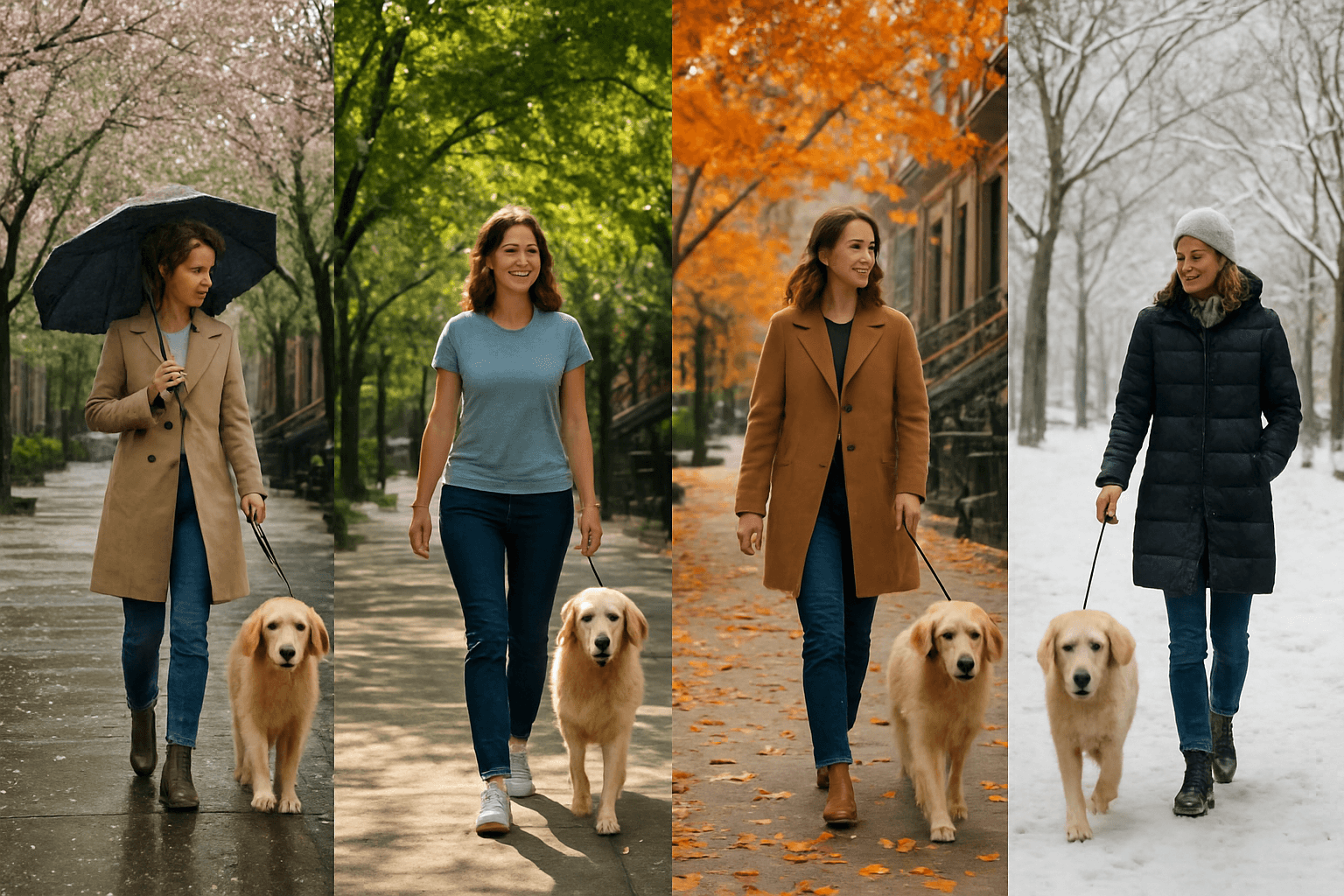
Spring Rain Showers Creating Muddy Sidewalks and Park Conditions
Spring in the Upper East Side brings frequent rain showers that transform neighborhood sidewalks and parks into messy obstacle courses for dog owners. The combination of melting snow, April showers, and emerging vegetation creates particularly challenging walking conditions along Madison Avenue and throughout Central Park’s eastern entrances.
Puddles accumulate quickly on uneven sidewalks, especially around tree wells and construction zones common throughout the neighborhood. Your dog’s natural curiosity means they’ll likely investigate every muddy patch, turning a simple 20-minute walk into a cleanup adventure. The famous Upper East Side brownstone stoops become slippery when wet, creating hazards for both you and your pet.
Central Park’s Reservoir path and the Conservatory Garden area become particularly muddy during spring months. According to the Central Park Conservancy, seasonal weather directly impacts path conditions, especially on mixed-surface and landscaped areas.
Rain also brings earthworms to the surface, which many dogs find irresistible but can cause stomach upset. The increased moisture encourages bacterial growth in organic matter, making thorough paw cleaning essential after each walk. Consider shorter, more frequent walks during heavy rain periods rather than forcing longer outings through challenging conditions.
Summer Heat Waves Requiring Early Morning and Late Evening Walks
Manhattan’s summer heat creates dangerous conditions for dog walking, particularly on the Upper East Side’s concrete sidewalks and asphalt streets. According to the National Weather Service, pavement temperatures can reach extreme levels during heat waves, hot enough to burn your dog’s paw pads in seconds.
The optimal walking window shrinks dramatically during heat waves. Early morning walks between 5:30 AM and 7:00 AM offer the coolest temperatures and least crowded sidewalks along Park Avenue and Lexington Avenue. Evening walks should wait until after 8:00 PM when shadows from tall buildings provide some relief and pavement begins cooling.
Central Park offers better conditions than street walking during summer months, but timing remains crucial. The park’s paved paths retain heat just like city sidewalks, while grassy areas provide cooler surfaces for sensitive paws. The Jacqueline Kennedy Onassis Reservoir path offers some breeze, but lacks shade during midday hours.
Short-nosed breeds like French Bulldogs and Pugs, popular in the Upper East Side, face increased risks during heat waves. The American Veterinary Medical Association explains that brachycephalic dogs struggle with temperature regulation and may show distress signs quickly.
Fall Leaf Coverage Making Sidewalks Slippery and Hazardous
Autumn transforms the Upper East Side into a picturesque landscape, but those beautiful fallen leaves create serious safety hazards for dog walkers. Wet leaves become incredibly slippery, turning routine sidewalk navigation into a potential injury risk for both dogs and owners. The New York City Department of Health highlights how moisture, debris, and uneven pavement increase fall risks during seasonal weather changes.
The tree-lined streets of the Upper East Side, particularly along Fifth Avenue facing Central Park, accumulate thick layers of maple, oak, and plane tree leaves. When morning dew or light rain dampens these leaves, they become as treacherous as ice. Your dog’s excitement over new scents and textures can lead to sudden direction changes that catch you off guard on slippery surfaces.
Hidden dangers lurk beneath leaf piles. Broken glass, discarded food, and uneven pavement become invisible hazards that can injure curious dogs who love diving nose-first into crunchy leaf collections. The decomposing leaves also harbor bacteria and fungi that can cause skin irritation or digestive issues if ingested.
Central Park’s leaf cleanup schedule doesn’t always keep pace with falling leaves, creating particularly hazardous conditions on popular dog walking routes like the Literary Walk and around Bethesda Fountain. Professional dog walkers in the area recommend using shorter leashes during fall months to maintain better control and choosing well-maintained paths over shortcuts through heavily leaf-covered areas.
Regular paw checks become essential during fall walks, as leaves can mask small cuts or embed debris between toes.
Related Articles:
Why the Upper East Side is One of the Best Neighborhoods for Dog Walking
A Local’s Guide to Dog Walking Near Central Park’s East Side Entrances
Essential Weather-Appropriate Gear for Upper East Side Dog Owners
Waterproof jackets and boots for rainy day adventures
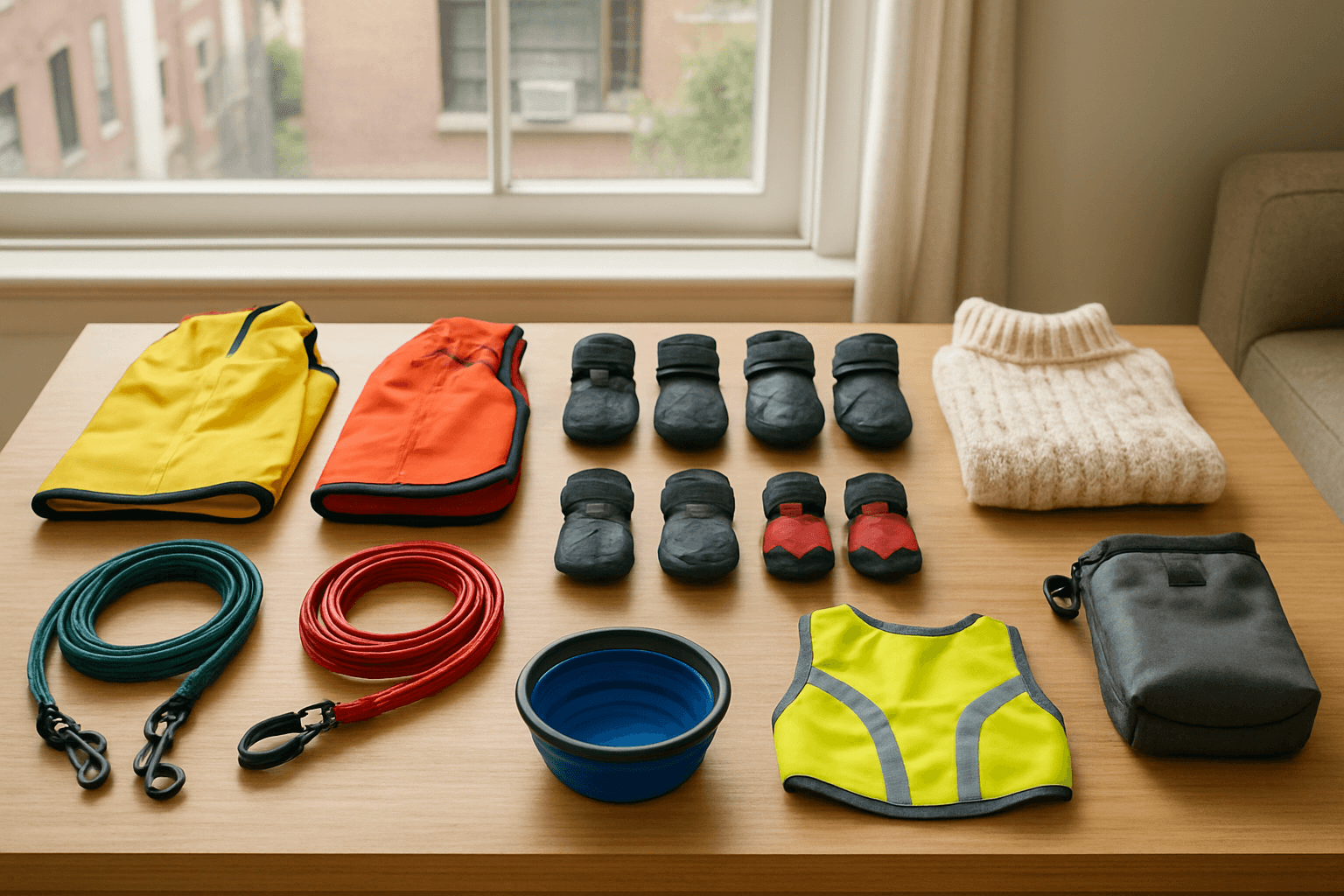
New York’s unpredictable spring and fall weather means dog owners need reliable rain gear that can handle everything from light drizzles to heavy downpours. Your dog’s waterproof jacket should feature a snug but comfortable fit around the chest and neck, with adjustable straps that won’t chafe during longer walks. Look for jackets with reflective strips, especially useful when navigating the darker streets between Central Park and the East River.
Dog boots become essential during rainy season, protecting paws from puddles, salt residue, and the occasional broken glass that urban environments present. Brands like Ruffwear and Kurgo offer boots with secure velcro closures and non-slip soles that grip wet sidewalks effectively. Start with short indoor sessions to help your dog adjust to wearing boots before venturing outside.
For owners, investing in a quality rain jacket with deep pockets keeps treats and waste bags dry while maintaining easy access. Waterproof pants might seem excessive, but they’re game-changers during those inevitable rainy morning rushes when your dog needs their full walk regardless of weather conditions.
Cooling vests and paw protection for hot pavement walks
Summer in the Upper East Side means concrete and asphalt that can reach scorching temperatures, often exceeding 120°F on sunny afternoons. Cooling vests work through evaporation, keeping your dog’s core temperature regulated during necessary midday outings. Soak the vest in cool water, wring out excess moisture, and secure it snugly around your dog’s torso.
Paw protection becomes critical when sidewalks are too hot for bare paws. Test pavement temperature with the back of your hand – if you can’t keep it pressed down for seven seconds, it’s too hot for your dog’s paws. Breathable booties or paw wax create barriers against hot surfaces while allowing normal walking mechanics.
Portable water bottles with attached bowls are non-negotiable for summer walks. Many Upper East Side dogs experience dehydration faster than their owners realize, especially brachycephalic breeds that struggle with temperature regulation. The ASPCA emphasizes the importance of frequent hydration and shade during hot-weather walks. Freeze water bottles the night before early morning walks to provide extra cooling benefits.
Reflective gear for darker winter evening strolls
December through February brings early darkness that transforms familiar neighborhood routes into visibility challenges. High-quality LED collars and leashes illuminate your dog while making them visible to cyclists, runners, and vehicles navigating the busy Upper East Side streets.
Reflective vests serve dual purposes during winter months – they increase visibility while providing an extra layer of warmth. Choose vests with 360-degree reflective strips rather than just front and back panels. The additional side visibility proves crucial when crossing the numerous intersections between Madison and Park Avenue.
Consider LED clip lights for your own clothing, particularly when walking near Carl Schurz Park or along the East River promenade where lighting can be inconsistent. These small additions significantly improve safety for both you and your dog while navigating winter’s shortened daylight hours.
Related Articles:
Dog Walking Leash Laws in NYC’s Upper East Side
Choosing the Right Leash and Harness for Dog Walking in the Upper East Side
Optimal Walking Times Based on Weather Conditions
Early Morning Walks During Summer Heat Waves
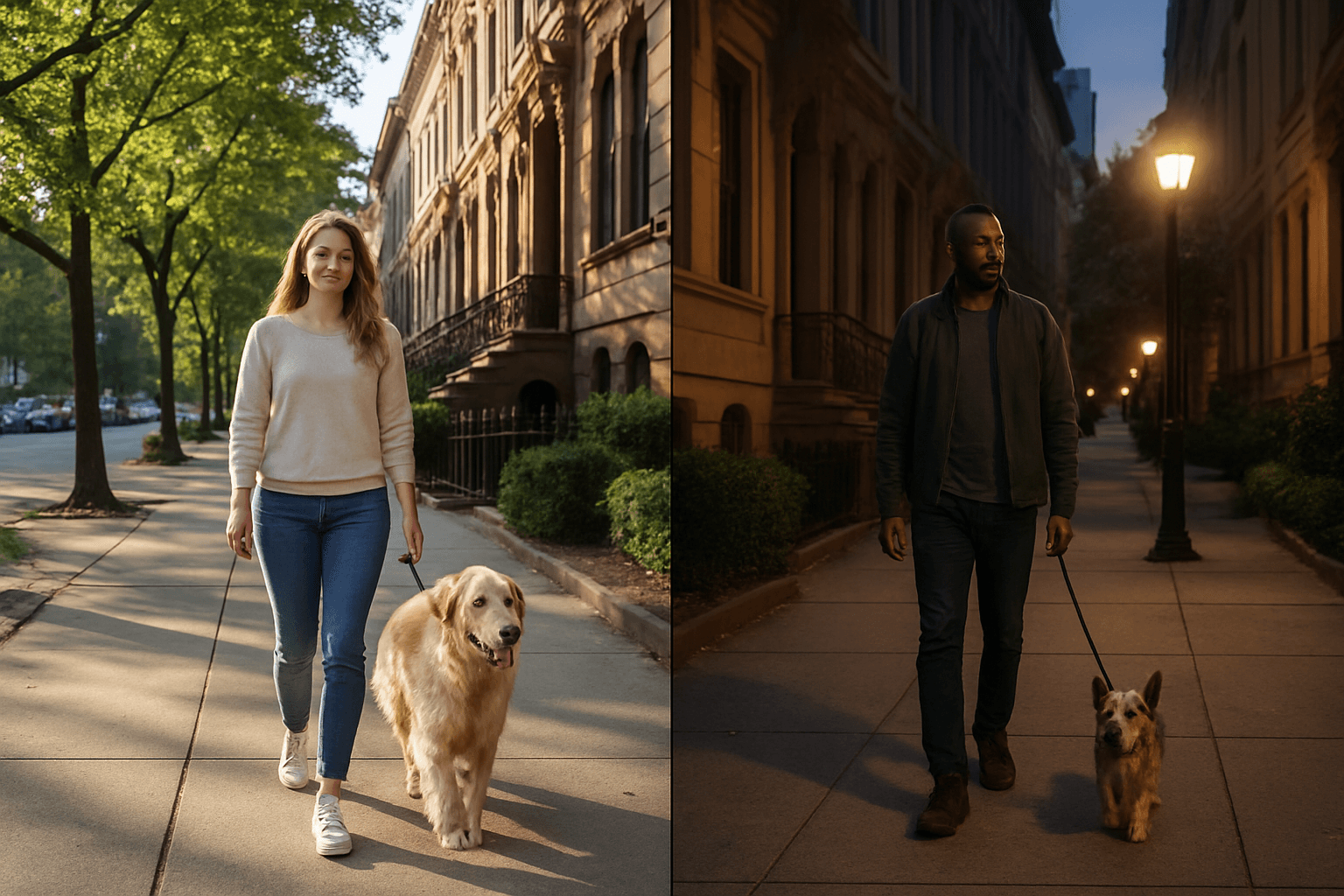
Summer in the Upper East Side can be brutal, with temperatures often climbing above 85°F by mid-morning. Smart dog owners know that beating the heat means getting out early – really early. The sweet spot typically falls between 5:30 and 7:00 AM when sidewalks haven’t yet absorbed the day’s heat and humidity levels remain tolerable.
During these early hours, the concrete along Madison and Park Avenue stays cool enough for your dog’s paws. You can test this yourself by placing your hand flat on the pavement for five seconds – if it’s too hot for your hand, it’s too hot for paws. Central Park becomes a haven during these morning hours, offering shaded paths and grass that provides natural cooling.
The key advantage of early morning walks extends beyond temperature control. Dogs tend to be more energetic and alert after a night’s rest, making this an ideal time for longer exercise sessions. Traffic noise remains minimal, creating a calmer environment for anxious or reactive dogs. Plus, you’ll encounter fewer crowds, which means more space for your dog to explore safely.
Keep walks brisk but not rushed. Allow time for sniffing and natural behaviors while maintaining momentum to complete your route before the sun climbs too high. Bring water for both you and your dog, even on short walks, as dehydration happens faster than many owners realize.
Midday Opportunities During Mild Winter Days
Winter in Manhattan brings unexpected gifts for dog walkers – those crisp, sunny days when temperatures hover around 40-50°F. These midday windows, typically between 11 AM and 2 PM, offer perfect walking conditions that many Upper East Side residents overlook.
Snow-covered Central Park transforms into a winter playground during these mild spells. Dogs love the sensory experience of fresh snow, and the reflective sunlight provides natural warmth. The Reservoir loop becomes particularly appealing when ice-free, offering stunning views and a peaceful atmosphere.
Midday winter walks solve several practical problems. Sidewalks dry out from morning frost, reducing slip hazards for both dogs and owners. The sun’s angle provides maximum warmth, making even 30-degree days feel comfortable with proper layering. Older dogs or those with joint issues benefit tremendously from the warmth, which helps keep muscles loose and reduces stiffness.
These walks also address the mental health needs of both pets and owners during darker months. Natural sunlight exposure helps regulate circadian rhythms and combats seasonal depression. Dogs that typically resist winter outings often become eager walkers when they associate midday trips with comfortable temperatures and bright sunshine.
Schedule flexibility becomes important here. Watch weather apps closely and plan outdoor time around these precious mild windows rather than sticking to rigid morning or evening routines.
Evening Routines Adjusted for Seasonal Daylight Changes
Upper East Side evening walks require careful planning as daylight shifts dramatically throughout the year. Summer evenings stretch until nearly 9 PM, while winter darkness arrives by 5 PM, completely changing walking dynamics and safety considerations.
During summer’s long evenings, the 6-8 PM window becomes prime walking time. Temperatures drop from their daily peak, shadows lengthen across the avenues, and both dogs and owners enjoy the vibrant street life. Evening walks can extend longer, allowing for social interactions at dog runs and casual encounters with neighborhood regulars.
Winter demands a complete strategy shift. Daylight disappears quickly, making 4-5 PM the last comfortable window for longer walks. After dark, focus shifts to shorter, more frequent outings under street lighting. The well-lit stretches of Lexington Avenue and the paths around Carl Schurz Park provide safe options for necessary evening bathroom breaks.
Reflective gear becomes non-negotiable during dark months. LED collars, reflective leashes, and bright clothing help drivers spot you from blocks away. The narrow streets characteristic of the Upper East Side create unique visibility challenges, especially when cars turn corners quickly.
Spring and fall transitions require particular attention. Daylight changes by several minutes daily, making it easy to misjudge available light. Start adjusting routines gradually rather than waiting for dramatic seasonal shifts. Keep flashlights handy and plan shorter routes as backup options when darkness arrives earlier than expected.
Related Articles:
The Ultimate Guide to Dog Walking Etiquette in the Upper East Side
How to Keep Your Dog Engaged During Walks in the Upper East Side
Upper East Side Specific Challenges and Solutions
Navigating crowded sidewalks during tourist season weather delays
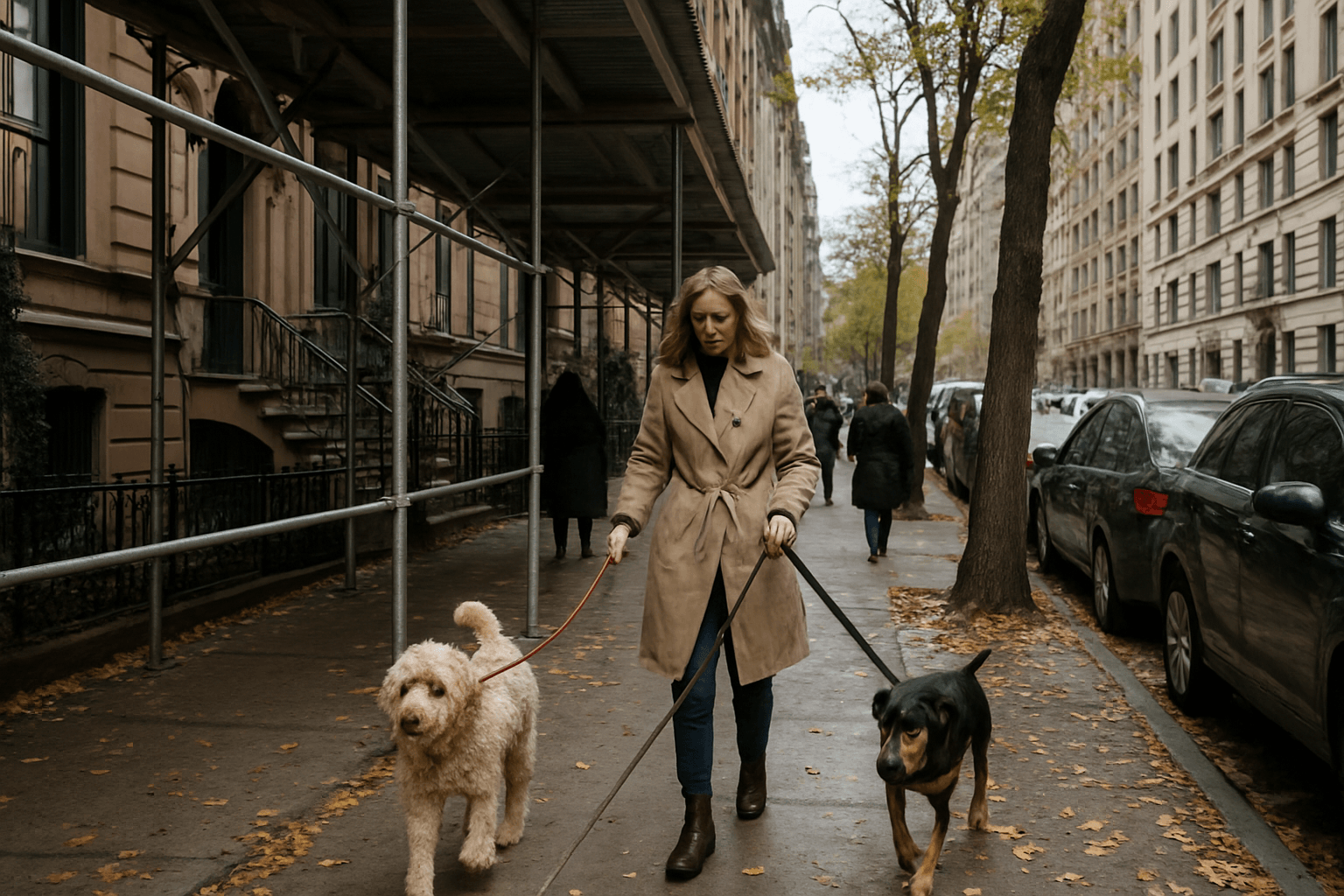
The Upper East Side becomes a pedestrian maze when weather disrupts the usual flow of visitors around major attractions. During summer thunderstorms or winter snow, tourists often cluster under awnings and building overhangs, creating bottlenecks that make dog walking particularly challenging. Museum Mile sees the worst congestion, especially near the Met and Guggenheim, where tour groups huddle together waiting for weather to clear.
Smart dog owners develop alternative route strategies during these peak tourist periods. Side streets like East 79th, 82nd, and 85th Streets offer quieter pathways that bypass the main tourist corridors. These residential blocks provide more space for dogs to navigate comfortably without getting tangled in crowds or startling visitors unfamiliar with urban dog etiquette.
Early morning walks before 9 AM and evening walks after 7 PM help avoid the heaviest tourist traffic, especially during unpredictable weather when groups linger longer in covered areas. Many local dog owners coordinate through neighborhood apps to share real-time updates about which streets are most congested during weather events.
Finding covered areas near Central Park during sudden downpours
Central Park’s proximity makes the Upper East Side particularly vulnerable to sudden weather changes, but the area offers numerous covered spaces for emergency shelter. The subway entrances at 86th and Lexington, 77th and Lexington, and 96th and Lexington provide immediate underground refuge when storms hit unexpectedly.
Building lobbies along Fifth Avenue and Madison Avenue often allow brief shelter, especially in luxury residential buildings with sympathetic doormen who understand the urgency of protecting pets from harsh weather. The covered entrance areas at major institutions like the Met, Frick Collection, and various museums provide temporary refuge, though dogs must remain in designated outdoor areas.
Local businesses play a crucial role in emergency weather situations. Many Upper East Side establishments maintain informal policies allowing well-behaved dogs in covered entryways during severe weather. Pet stores along Lexington Avenue, certain bank lobbies, and some coffee shops with outdoor seating areas under cover become neighborhood lifelines during sudden downpours.
Park-adjacent buildings along Fifth Avenue often feature deep setbacks and covered areas that provide natural windbreaks and rain protection. The architecture of pre-war buildings in this area frequently includes generous covered stoops and entrance alcoves that serve as temporary shelters.
Dealing with building doorman restrictions during messy weather
Luxury buildings throughout the Upper East Side maintain strict protocols about pets entering lobbies with wet or muddy paws, creating unique challenges during inclement weather. Doormen at high-end residential buildings often require dogs to be completely dried before entering, leading to awkward standoffs in building entrances during storms.
Experienced residents keep emergency supplies in building package rooms or with sympathetic doormen – towels, paw wipes, and portable mats become essential tools for gaining lobby access. Some buildings provide designated pet cleaning stations in service entrances or basement levels, though these amenities vary widely between properties.
Building management companies across the neighborhood have different policies regarding pet access during weather events. Co-op and condo boards sometimes implement seasonal restrictions, requiring residents to use service elevators or specific entrances when dogs are wet or dirty. Understanding your building’s specific rules prevents conflicts and ensures smooth re-entry after challenging weather walks.
Diplomatic relationships with doorman staff prove invaluable during weather emergencies. Many residents establish mutual understanding about reasonable accommodations during severe weather, while maintaining respect for building cleanliness standards. Some doormen keep emergency supplies specifically for helping residents deal with weather-related pet situations, creating a collaborative approach to neighborhood challenges.
Related Articles:
Best Time of Day for Dog Walking in the Upper East Side
Conclusion
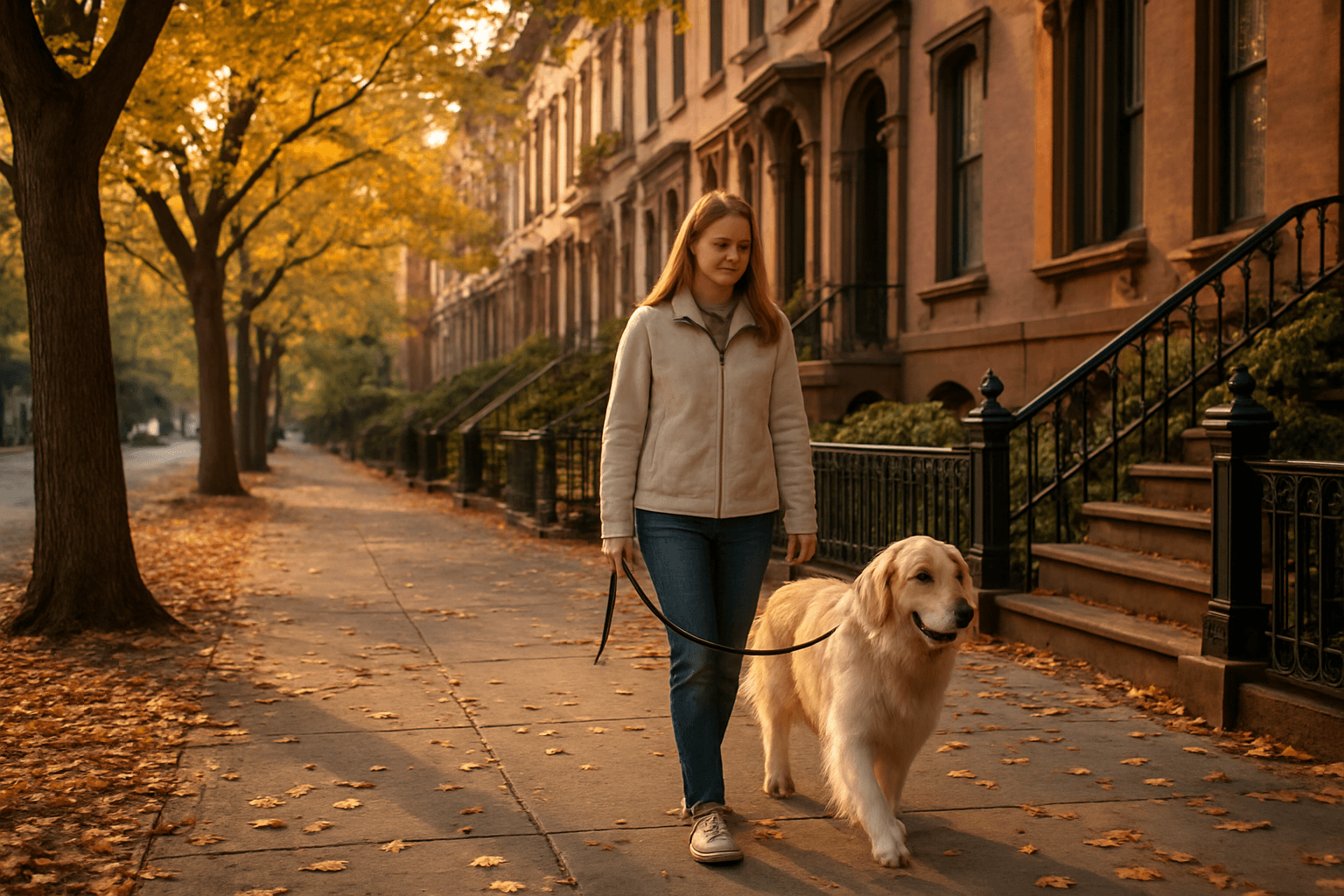
Dog walking in the Upper East Side comes with its own unique set of weather challenges throughout the year. From sweltering summer heat reflecting off concrete sidewalks to icy winter conditions that can make Central Park paths treacherous, each season demands different strategies and gear. Smart dog owners learn to work with Mother Nature rather than against her, adjusting their walking schedules and packing the right equipment to keep both themselves and their furry companions safe and comfortable.
The key to successful year-round dog walking lies in preparation and flexibility. Investing in quality weather gear, understanding your neighborhood’s microclimates, and knowing when to rely on professional support such as Pet Care Services in Manhattan, NYC can make all the difference in keeping your dog safe and comfortable year-round.
Frequently Asked Questions (FAQs)
Yes, but only during specific times. Early morning (5:30–7:00 AM) and late evening walks are safest during summer heat waves. Sidewalks in the Upper East Side can reach dangerous temperatures, so always check pavement heat and bring water for your dog.
Paw protection is essential year-round in New York City. Use dog boots or paw wax during hot summers to prevent burns, and during winter to protect against ice, salt, and chemical deicers commonly found on Upper East Side sidewalks.
Midday walks between 11 AM and 2 PM are ideal in winter when temperatures are milder and sidewalks are less icy. These hours also provide natural sunlight, which helps keep dogs warmer and more comfortable.
On rainy days, opt for shorter walks and avoid dirt paths in Central Park that become muddy. Use waterproof jackets, towels, and paw wipes to keep your dog clean before re-entering buildings, especially in Upper East Side residences with strict doorman policies.
During storms or tourist-heavy days, avoid major avenues and Museum Mile. Choose quieter residential side streets and adjust walk times to early mornings or later evenings to reduce stress and keep your dog safe.