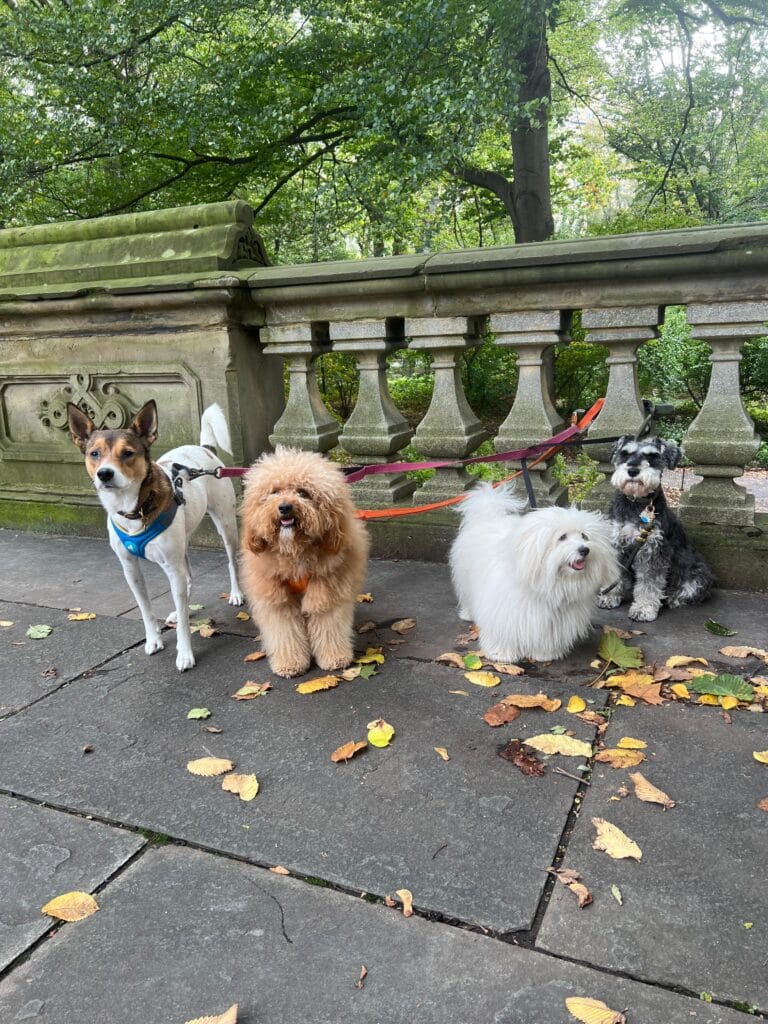

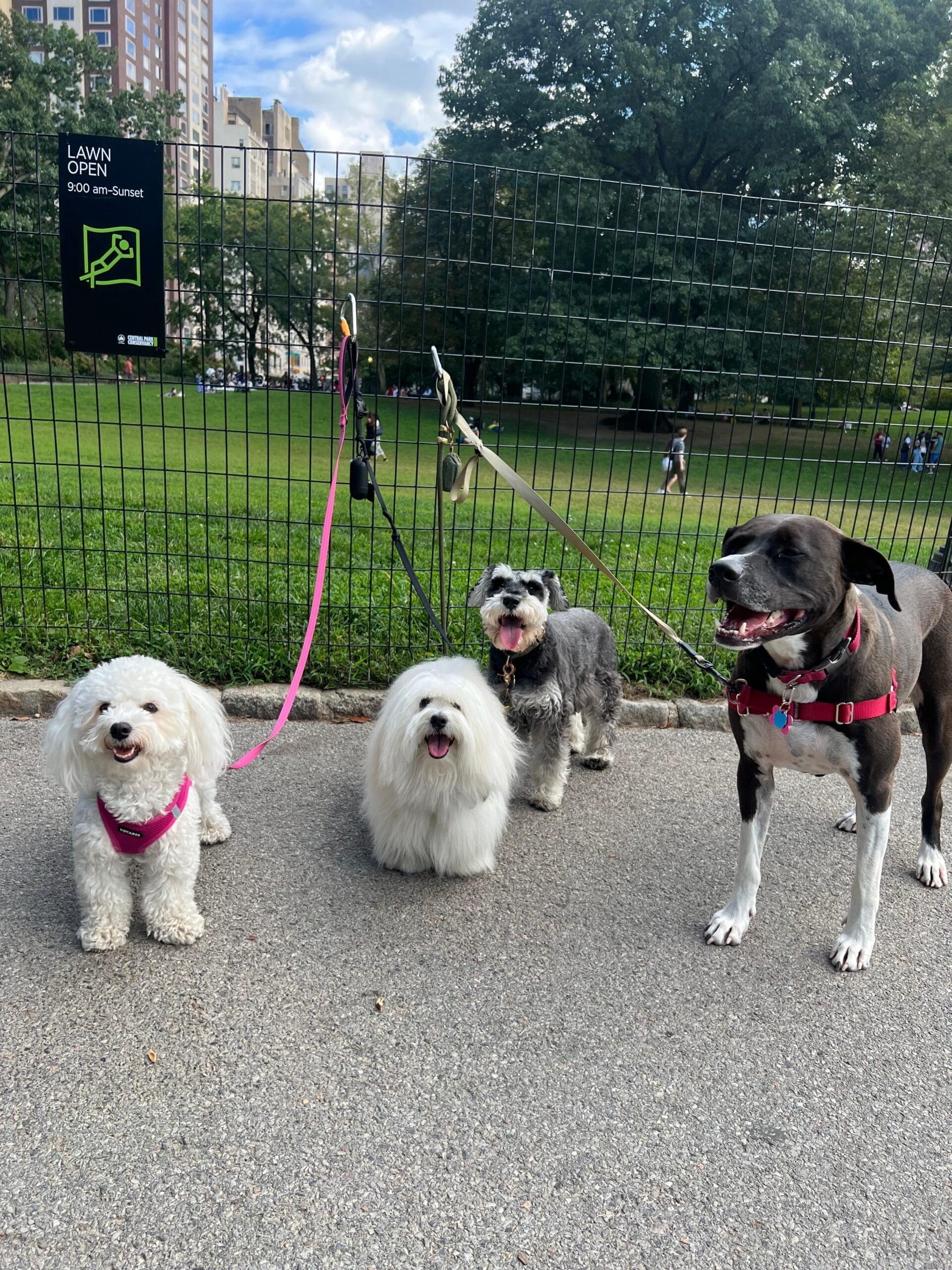
Dog owners living in Manhattan’s Upper East Side need to know the specific leash requirements that govern their neighborhood walks. UES leash requirements differ from other NYC boroughs and can result in hefty fines if ignored.
This guide is for current and new dog owners in the Upper East Side who want to walk their pets legally and safely. We’ll cover the specific leash laws that apply to UES streets and sidewalks, highlight which local parks allow off-leash time for your dog, and explain the permits you need to keep handy during walks—especially if you rely on professional Dog Walking Services in the Upper East Side, NYC to help care for your pet.
Knowing these rules protects you from tickets and keeps your furry friend safe while exploring one of NYC’s most dog-friendly neighborhoods.
Understanding NYC Leash Laws That Affect Your Daily Dog Walks
Mandatory leash requirements for all public areas
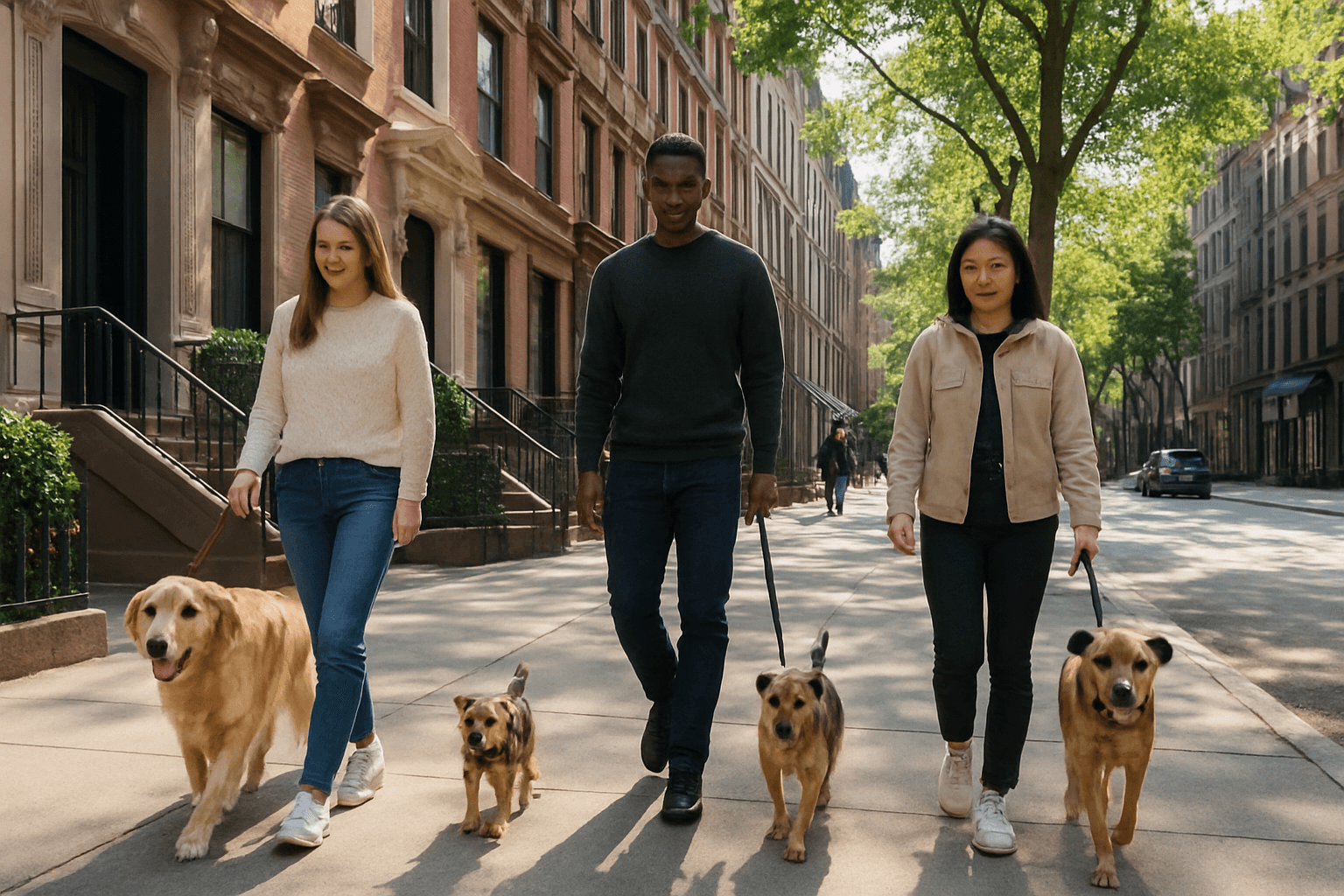
New York City takes dog leash laws seriously, and the UES leash requirements follow the same strict guidelines that apply citywide, as outlined by the NYC Department of Health. Your dog must be on a leash at all times when in public spaces, including sidewalks, streets, parks, and any area accessible to the general public. This rule applies 24 hours a day, seven days a week, with only a few specific exceptions.
The law covers every type of public area you might encounter during your daily walks through the Upper East Side. This includes:
- All sidewalks and crosswalks
- Building entrances and stoops
- Public transportation areas (subway stations, bus stops)
- Restaurant patios and outdoor dining spaces
- Shopping districts along Madison, Lexington, and Third Avenue
- Hospital and school zones
Even areas that seem dog-friendly require leashes. Your pup can’t roam free in front of pet stores, veterinary clinics, or dog-friendly businesses. The only exceptions are designated off-leash hours in certain parks and private property where you have explicit permission from the owner.
Dog owners often assume that less crowded streets or early morning hours might offer more flexibility, but the law doesn’t change based on foot traffic or time of day. Whether you’re walking past the Metropolitan Museum at rush hour or strolling through quiet residential blocks at dawn, your dog needs to stay leashed.
Maximum leash length regulations you must follow
NYC law specifies that dog leashes cannot exceed six feet in length. This regulation affects many dog owners who prefer longer leads, thinking they give their pets more freedom to explore. Retractable leashes that extend beyond six feet put you at risk of violations, even if you typically keep your dog closer.
The six-foot rule serves multiple safety purposes on busy Upper East Side streets. Shorter leashes help you maintain better control when navigating crowded sidewalks, especially during peak pedestrian hours. Your dog stays close enough that you can quickly redirect them away from other dogs, children, or people who might feel uncomfortable around animals.
Popular leash types that comply with regulations include:
- Standard fixed-length leashes (4-6 feet)
- Adjustable leashes set to maximum 6 feet
- Chain or rope leashes measuring 6 feet or less
- Retractable leashes locked at 6 feet or shorter
Many pet stores in the area sell leashes specifically designed to meet city requirements. When shopping for a new leash, measure carefully and keep your receipt as proof of compliance if questioned by authorities.
Specific fines and penalties for violations
Leash law violations carry real financial consequences that can quickly add up. First-time offenders face fines starting at $100, but repeat violations can cost significantly more. The exact penalty depends on several factors, including the specific violation type and your dog’s behavior during the incident.
Here’s the current fine structure:
| Violation Type | First Offense | Repeat Offense |
|---|---|---|
| Basic leash violation | $100-$200 | $200-$400 |
| Aggressive dog off-leash | $350-$500 | $500-$1,000 |
| Park-specific violations | $50-$150 | $150-$300 |
Additional penalties can apply if your unleashed dog causes property damage, injures another animal, or creates a public safety hazard. In severe cases, you might face criminal charges beyond the standard civil fines.
Enforcement varies throughout the Upper East Side. Areas near schools, hospitals, and major tourist attractions see more frequent patrols. Central Park’s eastern border, where many UES residents walk their dogs, has particularly active enforcement during peak hours.
The NYC Parks Department, New York City Police Department (NYPD), and Animal Control officers all have authority to issue citations. They don’t need to witness the violation directly – credible witness statements or video evidence can result in fines mailed to your address weeks later.
Related Articles:
Why the Upper East Side is One of the Best Neighborhoods for Dog Walking
A Local’s Guide to Dog Walking Near Central Park’s East Side Entrances
Upper East Side Parks Where Your Dog Can Exercise Safely
Central Park leash-free hours and designated areas
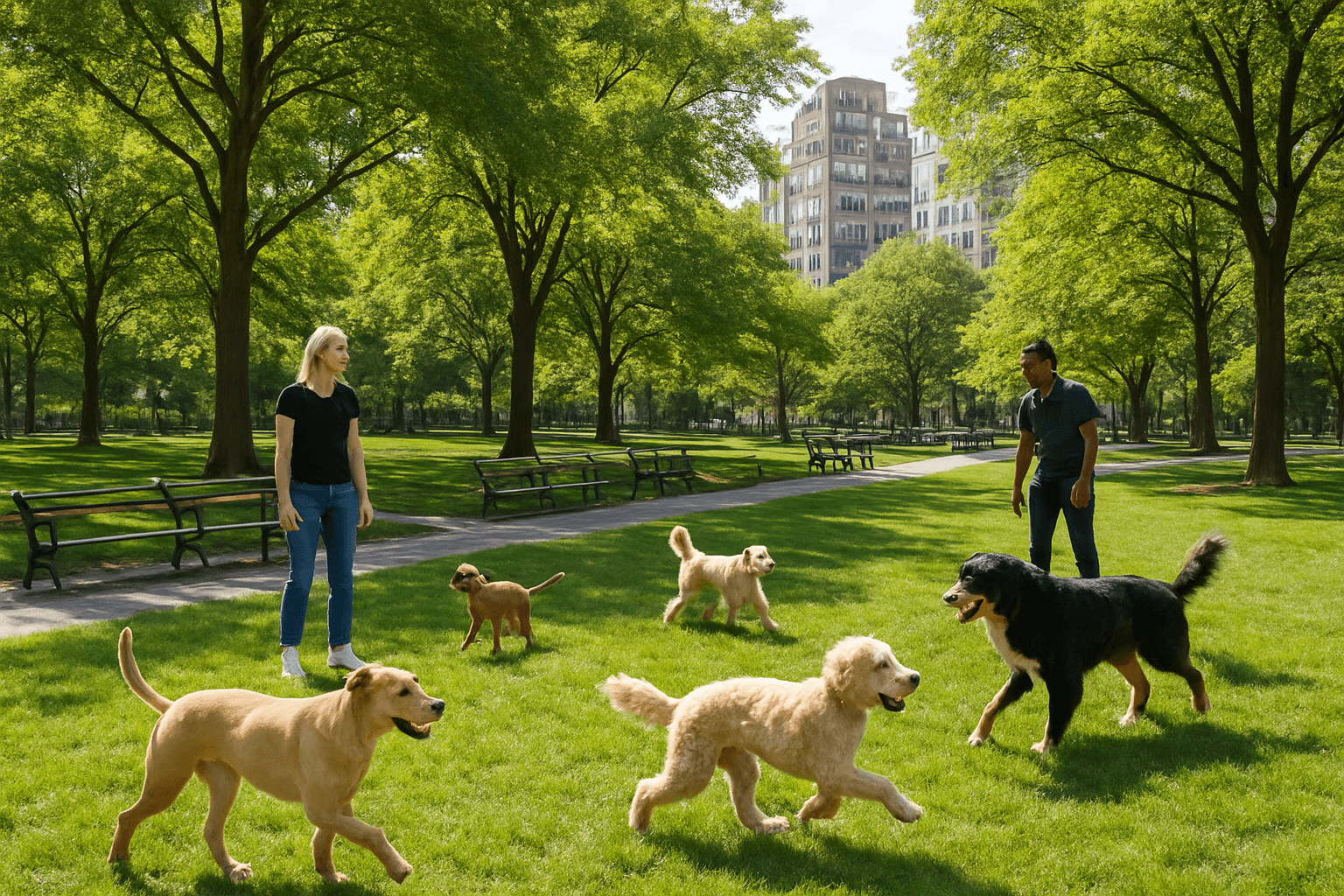
Central Park offers the most generous off-leash opportunities for Upper East Side dog owners. According to the NYC Parks Department, designated off-leash hours—6:00 AM to 9:00 AM and 9:00 PM to 1:00 AM—allow dogs to run free in specific areas throughout the park. The Great Lawn, Sheep Meadow, and North Meadow Recreation Center fields become canine playgrounds during these windows.
The Conservatory Garden area near 105th Street provides a quieter off-leash experience for dogs who prefer less crowded spaces. Dog owners should stick to grassy areas and avoid the formal gardens, fountains, and children’s playgrounds even during off-leash hours. Remember that UES leash requirements kick in immediately at 9:00 AM sharp, so plan your morning walks accordingly.
Popular off-leash spots include the area around Bethesda Fountain (though not in the actual fountain area), the Mall’s southern end, and the open fields near the Reservoir. Each location has its own personality—the Great Lawn attracts larger dogs and serious fetch games, while quieter spots near the Conservatory Water work better for smaller or less social pets.
Carl Schurz Park regulations and walking paths
Carl Schurz Park operates under strict leash-only policies year-round, making it perfect for controlled walks with scenic East River views. The park’s main promenade offers a quarter-mile walking loop that’s ideal for daily exercise routines. Dogs must remain leashed at all times, including in the grassy areas and along the waterfront path.
The park’s elevated position provides excellent river views, but the narrow pathways require careful navigation during busy periods. Early morning walks between 7:00 AM and 8:00 AM offer the best experience with fewer pedestrians and joggers. The southern entrance near 84th Street connects directly to neighborhood streets, making it convenient for quick walks.
Dog waste stations are located near both entrances, and the park’s compact size makes it manageable for senior dogs or those with mobility issues. The paved pathways stay clear during winter months, though the grassy areas can get muddy after rain.
Smaller neighborhood parks with strict leash policies
Pocket parks throughout the Upper East Side maintain year-round leash requirements with zero tolerance for violations. These smaller green spaces serve as convenient pit stops during longer neighborhood walks but don’t offer off-leash opportunities.
Key neighborhood parks and their policies:
| Park Name | Location | Special Notes |
|---|---|---|
| Ruppert Park | 90th & 2nd Ave | Fenced dog run area |
| Yorkville Park | 76th & York Ave | Limited grass space |
| Henderson Place Garden | 86th & East End Ave | Residents only access |
| Gracie Square | 84th & East End Ave | Historic area, sensitive landscaping |
Ruppert Park stands out with its dedicated dog run—a fenced area where dogs can play off-leash while technically remaining in an enclosed space. The run operates during daylight hours and includes separate sections for large and small dogs.
Most pocket parks have limited amenities, so bring your own waste bags and water. These spaces work best for quick bathroom breaks or short socialization opportunities rather than extended exercise sessions. The intimate size means other dog owners are usually nearby, creating natural opportunities for your pet to meet neighborhood dogs in a controlled environment.
Related Articles:
The Ultimate Guide to Dog Walking Etiquette in the Upper East Side
Choosing the Right Leash and Harness for Dog Walking in the Upper East Side
Street Walking Rules That Keep You and Your Pet Legal

Sidewalk Etiquette Requirements for Responsible Owners
Walking your dog on Upper East Side sidewalks requires following specific UES leash requirements that keep everyone safe and comfortable. Your dog must remain on a leash no longer than six feet at all times, with no exceptions for well-behaved pets. Keep your dog close to your side, especially when passing other pedestrians, joggers, or fellow dog walkers.
Clean up immediately after your dog relieves itself using bags you should always carry. The city takes this seriously – fines start at $350 for not picking up waste. Store used bags in designated trash receptacles rather than leaving them on the sidewalk or hanging them from trees.
When approaching other dogs, ask the owner before allowing interaction. Not all dogs are social, and some may be in training or have behavioral issues. Keep your pet from jumping on strangers or sniffing people without permission. Many Upper East Side residents dress professionally for work and don’t appreciate muddy paws on their clothing.
Move to single file when sidewalks get crowded, particularly during morning and evening rush hours. The UES sees heavy foot traffic, and blocking pathways creates unnecessary tension. If your dog stops frequently to sniff, step to the building side rather than occupying the center walkway.
Building Entrance and Lobby Restrictions to Know
Most Upper East Side residential buildings enforce strict pet policies that affect your walking routes. Dogs cannot enter building lobbies, even briefly, unless you live there or have explicit permission from residents. This includes co-ops, condos, and rental buildings with doormen.
Many buildings post “No Dogs” signs near entrances, and doormen actively enforce these rules. Respect these boundaries even if you’re visiting friends – make arrangements to meet outside or in designated pet-friendly areas. Some buildings allow dogs in service elevators only, while others prohibit pets entirely except for registered service animals.
Private courtyards and building plazas remain off-limits to dogs, even if they appear public. These spaces belong to the building and its residents. Letting your dog relieve itself near building entrances, even on the sidewalk directly in front, often violates building policies and creates conflicts with residents and management.
Check with individual buildings about their specific rules if you’re visiting regularly. Some allow dogs during certain hours or require advance notice. Building staff can provide clear guidelines about which entrances to use and any restrictions on timing or access routes.
Crosswalk Safety Protocols During Busy Traffic Hours
Upper East Side intersections present unique challenges during peak traffic times, typically 7-9 AM and 5-7 PM weekdays. Always use designated crosswalks and wait for walk signals, keeping your dog on the curb side away from traffic. Never let your pet wander into the street while waiting, as this startles drivers and creates safety hazards.
Position yourself between your dog and traffic when crossing. Dogs can bolt unexpectedly at loud noises like honking horns or construction sounds common in the neighborhood. Keep leashes short during crossings to maintain complete control, and avoid using retractable leashes near busy streets where quick reactions matter most.
Watch for turning vehicles, especially delivery trucks and taxis that might not see smaller dogs. Make eye contact with drivers when possible before entering crosswalks. The UES attracts heavy delivery traffic to high-end retailers and restaurants, creating additional pedestrian challenges throughout the day.
During school hours near private institutions along Madison and Fifth Avenues, expect increased foot traffic and distracted drivers. Plan alternate routes or adjust walking times to avoid the heaviest congestion. Emergency vehicles frequently travel through the area to access nearby hospitals, so stay alert for sirens and be ready to move quickly to safety with your pet.
Related Articles:
How Weather Impacts Dog Walking Routines in the Upper East Side NYC
How to Keep Your Dog Engaged During Walks in the Upper East Side
Essential Permits and Documentation for Hassle-Free Walks
Dog License Requirements and Renewal Deadlines
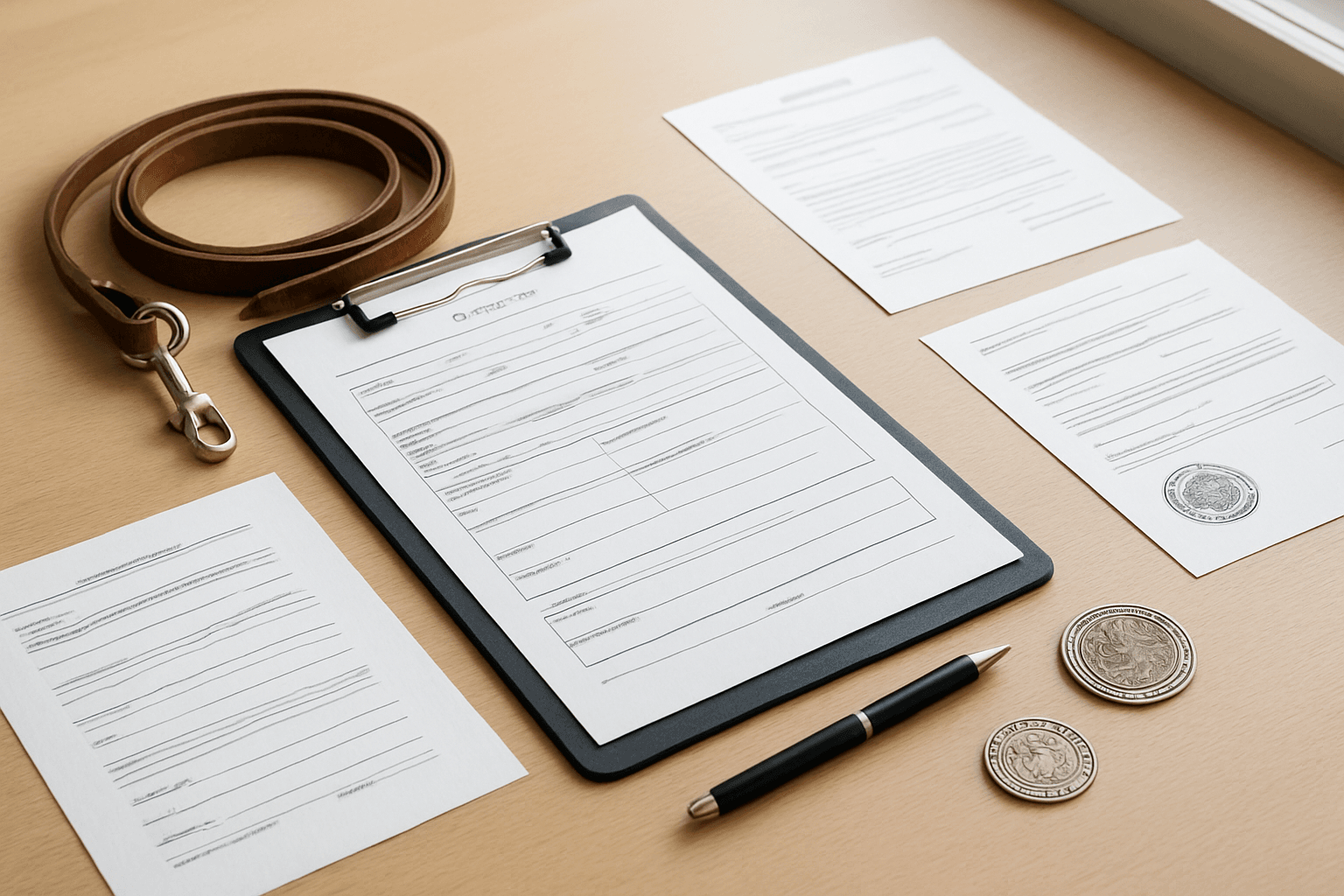
Every dog owner in New York City must obtain a license for their pet, and this applies to all Upper East Side residents. The NYC Department of Health requires dogs to be licensed within 30 days of reaching four months of age or within 30 days of acquiring a new dog. Annual licenses cost $8.50 for spayed or neutered dogs and $34 for unaltered dogs.
License renewals happen every year, and you’ll receive a renewal notice in the mail. The deadline is typically the last day of the month your license was issued. Missing this deadline results in a late fee that doubles the cost. You can renew online, by mail, or in person at any DOH office.
When walking your dog on Upper East Side streets, carry the physical license tag on your pet’s collar at all times. Police officers and Animal Control can request to see this documentation during routine checks or if any incidents occur during your walks.
Vaccination Records You Should Carry
Proof of current rabies vaccination is mandatory for all dogs in NYC. This documentation becomes especially important when dealing with UES leash requirements and potential encounters with other dogs or people. Keep a copy of your vaccination certificate in your wallet or phone when walking your dog.
The rabies vaccine must be administered by a licensed veterinarian and updated according to the vaccine manufacturer’s guidelines – typically every one to three years depending on the vaccine type. Your vet will provide an official certificate showing the vaccination date, expiration date, and vaccine details.
Many dog owners also carry proof of additional vaccinations like DHPP (distemper, hepatitis, parvovirus, parainfluenza) and bordetella, especially when visiting dog parks or areas where dogs congregate. While not legally required for street walking, these records can be helpful if your dog has any interactions with other pets or if you need to access certain facilities.
Liability Insurance Considerations for Dog Owners
Dog bite incidents can result in significant financial liability, making insurance coverage a smart consideration for Upper East Side dog owners. Your renters or homeowners insurance typically covers dog-related incidents, but review your policy carefully as some breeds may be excluded or have coverage limits.
Standard policies usually provide $100,000 to $300,000 in liability coverage for dog-related injuries. Given the high property values and medical costs in Manhattan, consider whether this coverage amount is adequate. You can often increase liability limits or add an umbrella policy for additional protection.
Some insurance companies offer specific pet liability insurance as a standalone product. This coverage typically costs $150-$300 annually and can provide higher coverage limits specifically for dog-related incidents. These policies often cover legal fees, medical expenses, and property damage caused by your pet.
Document any training your dog has received, as insurance companies may offer discounts for dogs that have completed obedience classes. Keep certificates from training programs, as they demonstrate responsible pet ownership and may help with claims processing if incidents occur.
Related Articles:
Best Time of Day for Dog Walking in the Upper East Side
Conclusion
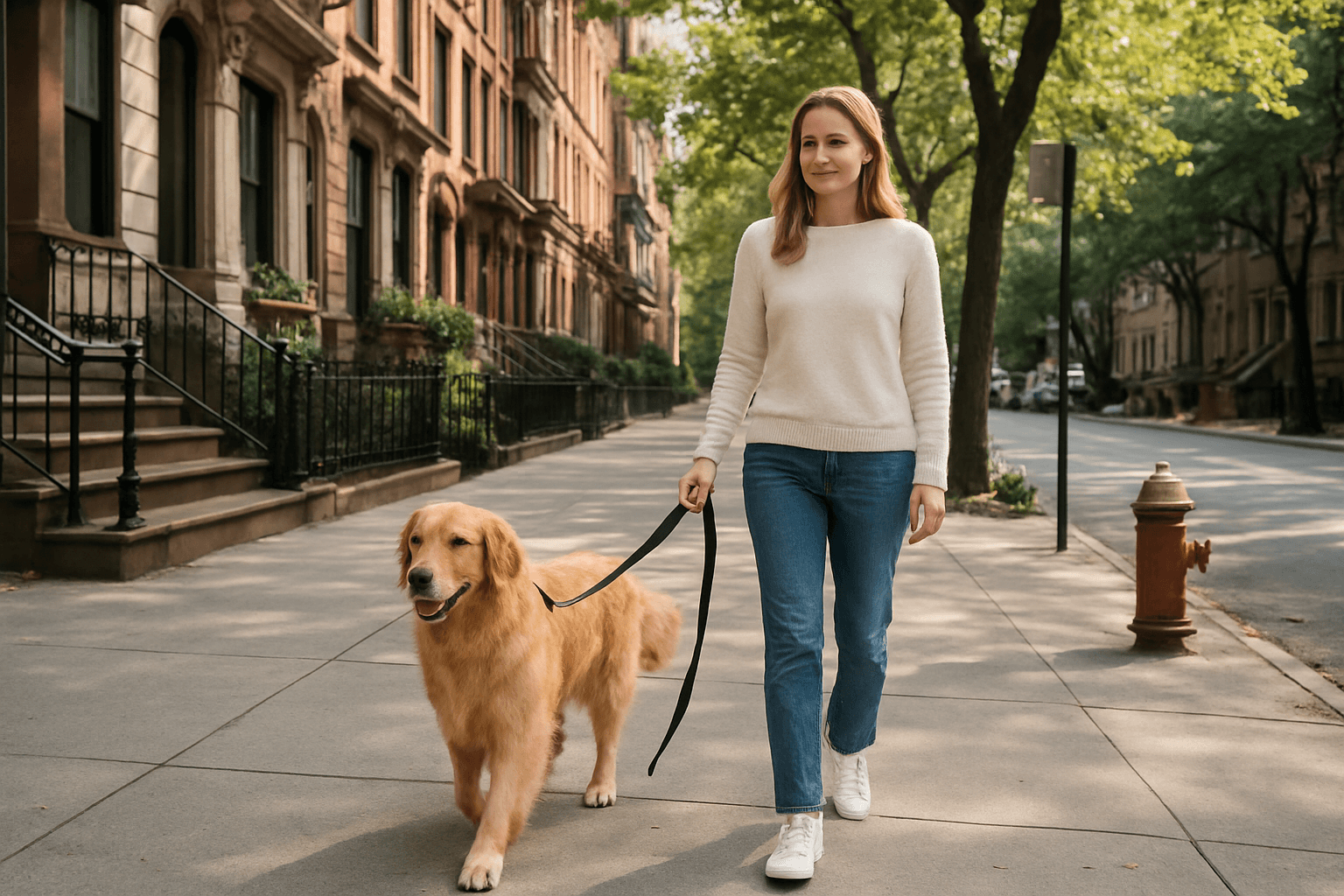
Knowing the leash laws for NYC’s Upper East Side makes every dog walk stress-free and enjoyable. You now understand which parks allow off-leash hours, what documentation to carry, and how to stay compliant while exploring the neighborhood streets—alongside the many Pet Care Services in Manhattan, NYC available to support your dog’s overall health and well-being. These rules exist to keep everyone safe – your dog, other pets, and pedestrians sharing the same spaces.
Start carrying your dog’s vaccination records and license on every walk, and bookmark those early morning off-leash hours at your local parks. Your furry friend deserves safe exercise time, and you deserve peace of mind knowing you’re following all the right rules. Happy walking!
Frequently Asked Questions (FAQs)
Yes. Dogs must be leashed at all times on Upper East Side sidewalks, streets, and public spaces. The only exceptions are designated off-leash hours in certain NYC parks, such as Central Park.
NYC law requires dog leashes to be no longer than six feet. Retractable leashes are allowed only if locked at six feet or shorter while walking in public areas.
Yes. Central Park offers off-leash hours from 6:00–9:00 AM and 9:00 PM–1:00 AM in designated areas. Dogs must be leashed immediately outside those time windows.
Off-leash violations can result in fines, even for first-time offenses. Penalties increase for repeat violations or if the dog causes a disturbance, injury, or safety risk.
Yes. Your dog must wear a valid NYC license tag, and it’s strongly recommended to carry proof of rabies vaccination while walking in public spaces.