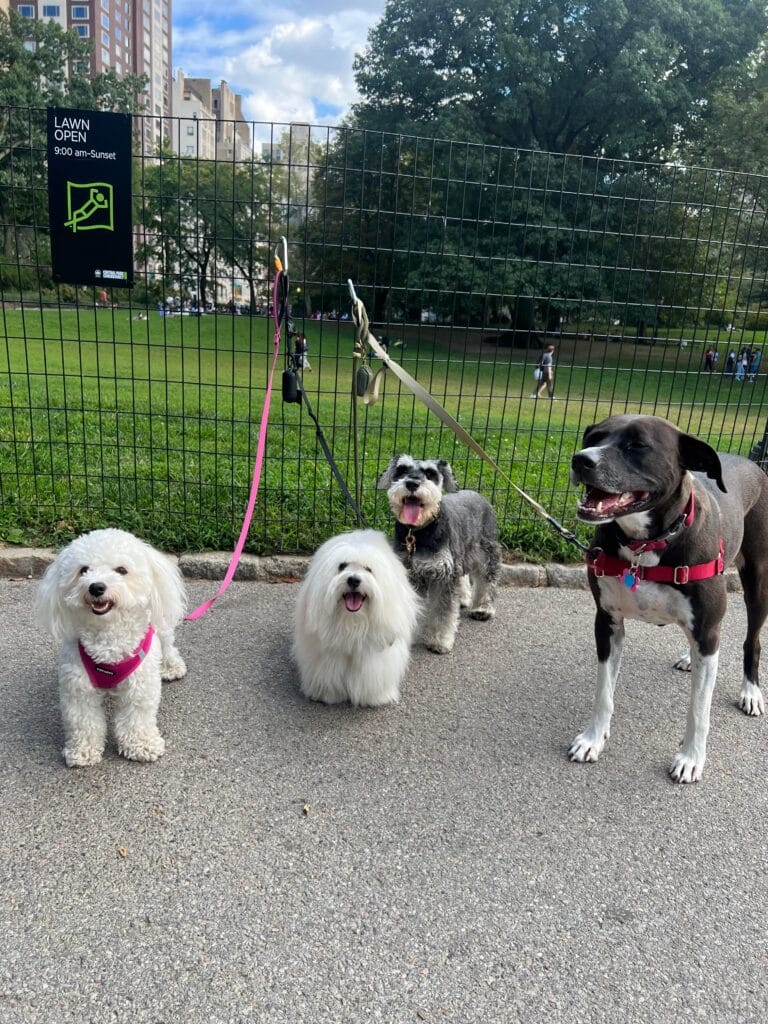

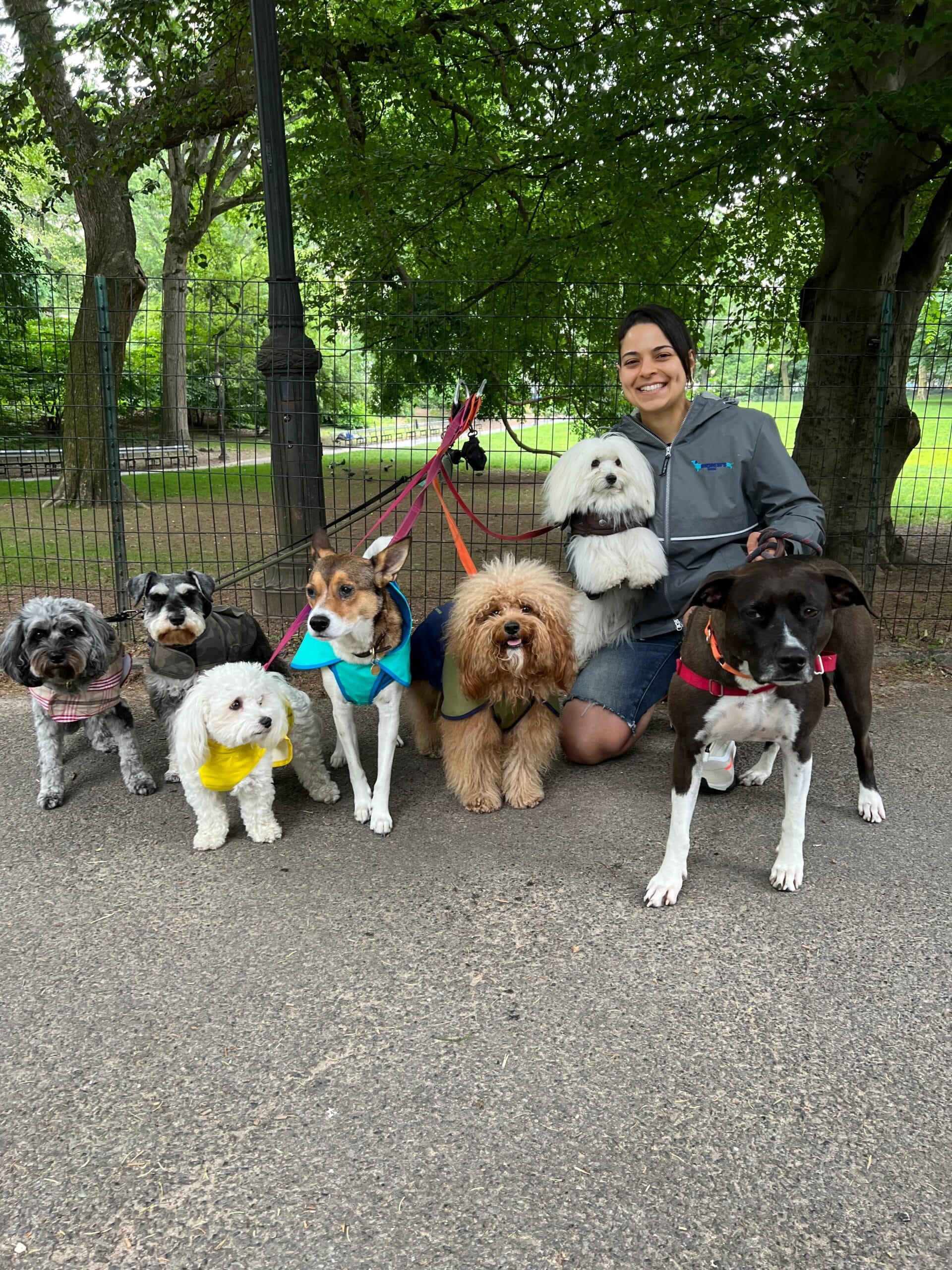
Dog owners in the Upper East Side face unique challenges when walking their pets through crowded sidewalks, busy intersections, and past endless distractions. Choosing the right leash and harness for dog walking in the Upper East Side can make the difference between stressful outings and enjoyable walks for both you and your furry friend—especially when navigating the realities of Dog Walking in the Upper East Side, Manhattan NYC.
This guide is designed for Upper East Side residents who want to improve their daily walks, whether you’re a new dog owner or looking to upgrade your current gear. We’ll explore the essential features that make certain leashes perfect for city walking, compare different harness types that give you better control in urban environments, and address the specific challenges you’ll encounter navigating this bustling Manhattan neighborhood.
You’ll learn which equipment works best for dogs who pull toward street vendors, get excited by other pets, or need extra security near heavy traffic areas that define life on the Upper East Side.
Understanding Your Dog’s Walking Needs in Urban Settings
Assessing your dog’s size, breed, and temperament
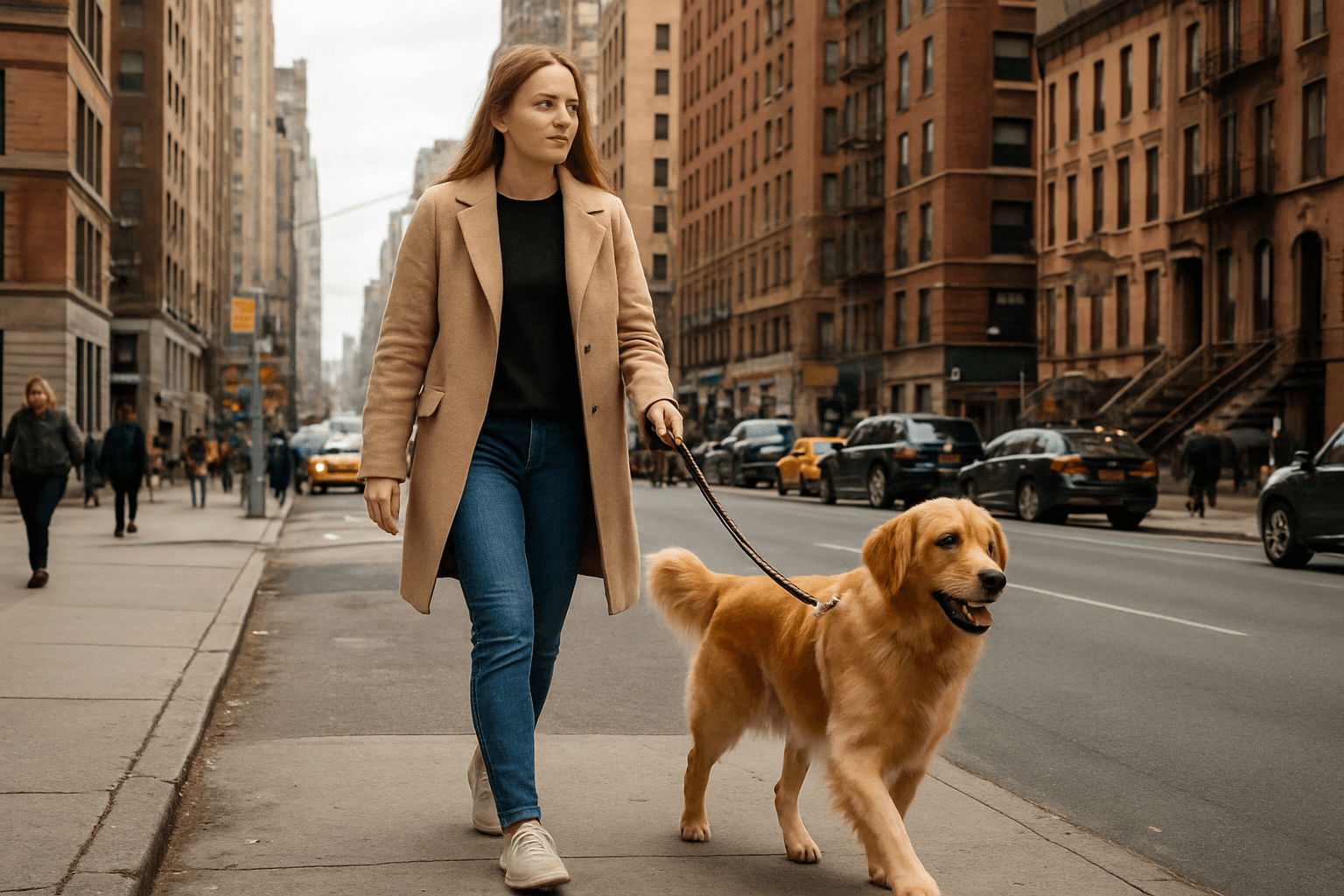
Your dog’s physical characteristics and personality play a huge role in determining the best walking gear for city life. Breed size, strength, and temperament—well documented by the American Kennel Club—help explain why small dogs like Chihuahuas or Yorkshire Terriers face very different challenges than larger breeds on busy Manhattan streets. These tiny companions can easily get overwhelmed by towering pedestrians and may need extra protection from being accidentally stepped on.
Medium-sized dogs such as Bulldogs or Beagles often do well with standard equipment, but their pulling tendencies vary widely. Some are natural pullers who need stronger control, while others walk calmly beside their owners.
Large breeds bring their own set of considerations. German Shepherds, Golden Retrievers, and similar-sized dogs have the strength to pull their owners into traffic if something catches their attention. Their height also makes them more visible to other pedestrians, which can be both an advantage and a challenge.
Temperament matters just as much as size. According to guidance from the ASPCA, high-energy breeds like Border Collies or Jack Russell Terriers may be more prone to lunging at distractions such as pigeons or squirrels, requiring equipment that offers better control in busy urban environments. Meanwhile, anxious or reactive dogs need gear that provides security without adding stress.
Consider your dog’s specific quirks too. Does your pup freeze up around construction noise? Do they get excited by every person who walks by? These behaviors will guide your equipment choices and help you prepare for successful city walks.
Identifying specific challenges of Upper East Side sidewalks
The Upper East Side presents unique obstacles that affect your walking gear decisions. Many sidewalks here are narrower than other parts of Manhattan, especially along residential streets lined with pre-war buildings. As outlined by the NYC Department of Transportation, ongoing infrastructure work, scaffolding, and street modifications frequently require pedestrians and dog owners to navigate tight, shifting walkways.
The neighborhood’s tree-lined streets create beautiful canopies but also present practical challenges. Tree roots often push up sections of sidewalk, creating uneven surfaces that can trip both you and your dog. Low-hanging branches might catch longer leashes or make retractable leashes problematic.
Street cleaning schedules in this area can leave sidewalks slippery, and the frequent presence of doormen, delivery personnel, and service workers creates constant foot traffic. Your dog needs to be comfortable maneuvering around these everyday obstacles.
The abundance of outdoor dining, especially along Lexington and Third Avenues, means food smells and potential food scraps scattered on sidewalks. This can be particularly challenging for food-motivated dogs who might pull toward restaurant patios or garbage bins.
Winter brings additional complications with salt, ice, and snow creating hazardous walking conditions. The narrow sidewalks become even tighter when snow piles up, forcing pedestrians and pets into single-file lines.
Recognizing high-traffic areas and crowd management needs
Certain Upper East Side locations demand extra attention and specialized equipment choices. The stretch of Lexington Avenue between 59th and 96th Streets sees heavy pedestrian traffic throughout the day, with commuters rushing to and from the subway, shoppers browsing stores, and tourists exploring the neighborhood.
Museum Mile along Fifth Avenue creates unique challenges, especially on weekends. The area around the Metropolitan Museum of Art can become incredibly crowded, with tour groups, street performers, and vendors competing for sidewalk space. Your dog needs to be comfortable walking close to your side in these situations.
Central Park entrances along Fifth Avenue and the Reservoir area draw joggers, cyclists, and other dog owners. According to NYC Parks, these shared-use paths are some of the most heavily trafficked outdoor spaces in Manhattan, making responsive leashes and secure harnesses essential for safe navigation.
School dismissal times near private schools create temporary but intense crowding. Children moving in groups can be unpredictable, and some dogs may become excited or anxious around large groups of kids.
Rush hour periods transform normally quiet residential streets into busy thoroughfares as people take shortcuts to avoid main avenue congestion. During these times, your dog needs gear that keeps them secure and prevents them from getting underfoot in the hustle of New York’s fast-paced pedestrian flow.
Related Articles:
Why the Upper East Side is One of the Best Neighborhoods for Dog Walking
How Weather Impacts Dog Walking Routines in the Upper East Side NYC
Essential Features to Look for in Dog Leashes
Optimal Length Options for City Walking
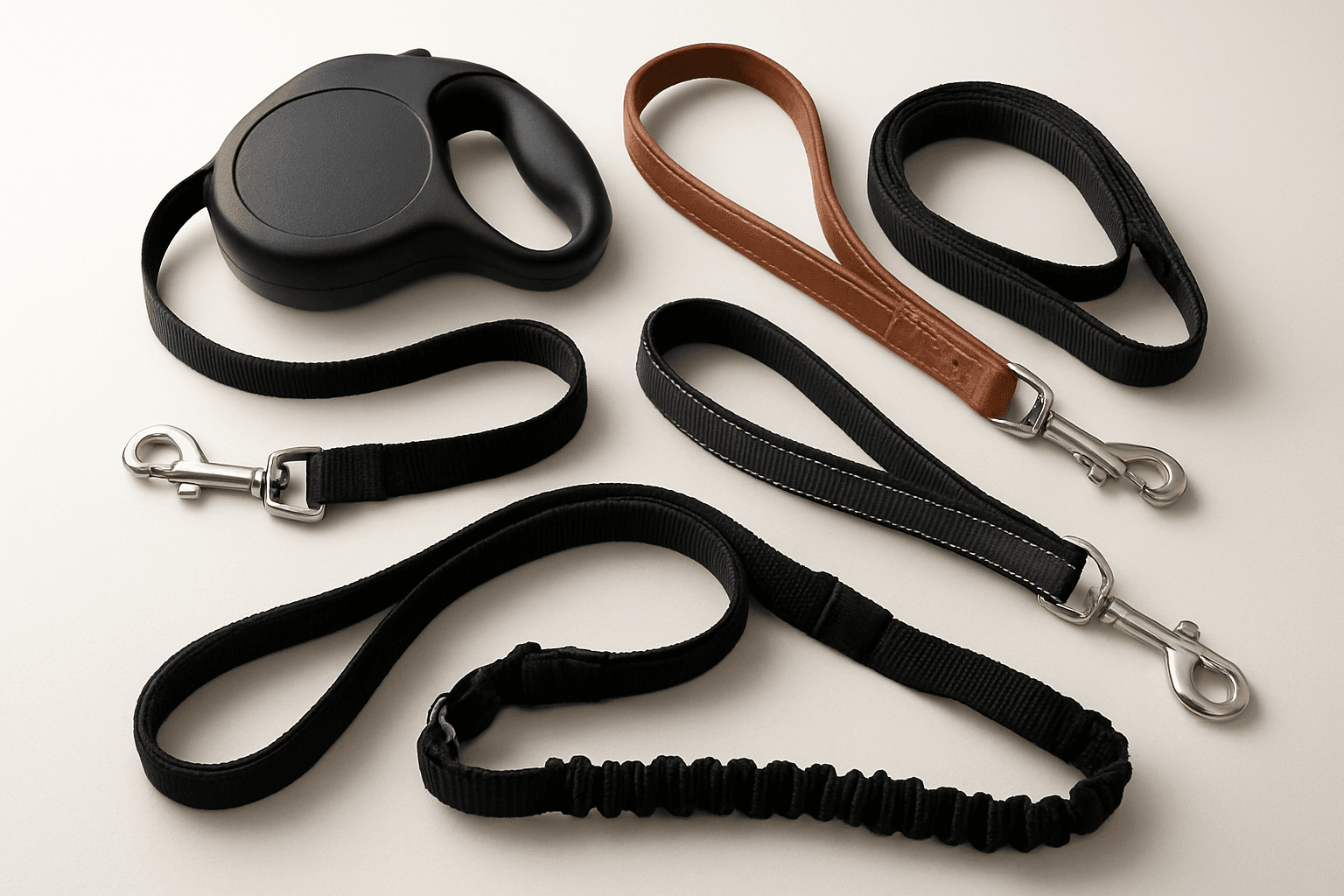
The bustling streets of Manhattan demand careful consideration when selecting leash length. A 6-foot standard leash strikes the perfect balance for most urban adventures, giving your dog enough freedom to explore interesting scents while keeping them close enough to navigate crowded sidewalks safely. This length prevents your pup from wandering into busy foot traffic or getting tangled around street furniture like fire hydrants and bike racks.
Retractable leashes might seem appealing, but they create hazards in dense urban environments. The thin cord can easily wrap around pedestrians’ legs or other dogs, and the unpredictable extension makes it difficult for others to gauge your dog’s reach. Save these for spacious parks where visibility is clear.
For dogs still mastering leash manners, consider a shorter 4-foot option that provides better control during training phases. Meanwhile, larger breeds with excellent recall might benefit from an 8-foot leash in less crowded areas like Central Park’s pathways.
Material Durability for Frequent Concrete Use
City sidewalks are unforgiving on leash materials. Concrete, asphalt, and metal grates create constant friction that can quickly wear down inferior products. Nylon webbing offers exceptional durability against urban surfaces while remaining lightweight and comfortable to grip. Look for double-stitched seams and reinforced connection points where the leash attaches to both the collar and handle.
Leather leashes develop character over time and become more comfortable with use, but they require regular conditioning to prevent cracking from exposure to city elements like salt, rain, and temperature fluctuations. Quality full-grain leather withstands years of sidewalk adventures when properly maintained.
Avoid thin rope or cord materials that fray easily against rough surfaces. Chain leashes, while durable, can be noisy on concrete and uncomfortable for extended holding periods.
Handle Comfort for Extended Walking Sessions
Manhattan dog walks often stretch longer than suburban neighborhood strolls. Your hand will thank you for investing in a leash with a padded handle that distributes pressure evenly across your palm. Neoprene padding provides excellent grip even when wet from unexpected rain showers.
The handle width matters significantly during longer adventures. Handles that are too narrow can dig into your hand, while overly wide grips become difficult to control when quick maneuvering is needed. A 1-inch wide handle typically provides the sweet spot for most hand sizes.
Some leashes feature dual handles – one at the standard position and another closer to the dog for tight control situations like entering elevators or navigating through crowds. This design proves invaluable when you need to quickly reel in your dog without having to manually shorten the leash length by wrapping it around your hand.
Related Articles:
Dog Walking Leash Laws in NYC’s Upper East Side
A Local’s Guide to Dog Walking Near Central Park’s East Side Entrances
Harness Types That Work Best for City Dogs
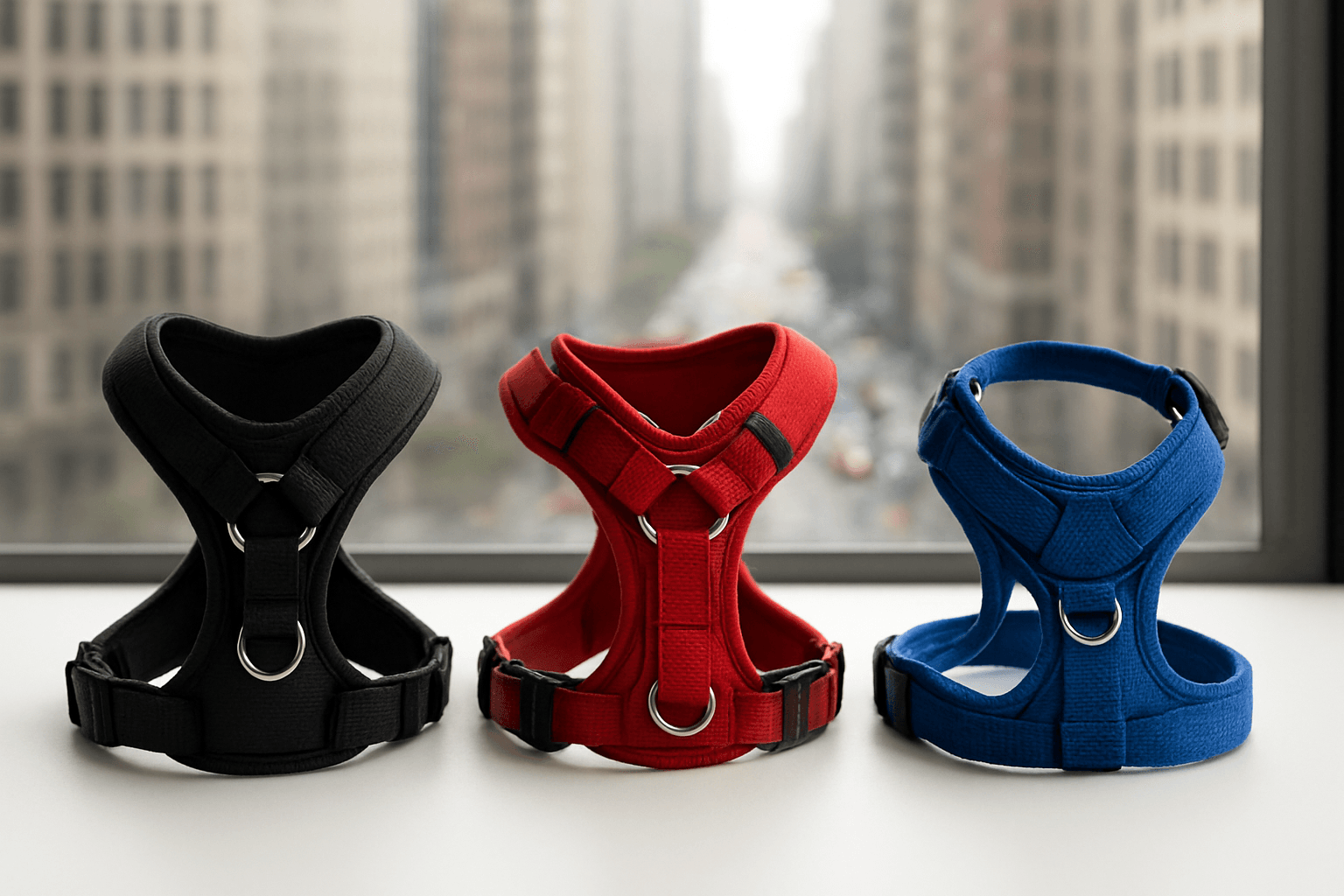
Front-clip harnesses for dogs that pull
Front-clip harnesses attach the leash to a ring positioned on your dog’s chest, creating a natural steering mechanism that redirects pulling energy. When your dog lunges forward, the harness gently turns them back toward you rather than allowing them to power through with brute force. This design works especially well on busy Upper East Side sidewalks where sudden stops and direction changes are common.
The physics behind front-clip harnesses makes them incredibly effective for strong pullers. Instead of fighting against your dog’s natural forward momentum, you’re redirecting it. This reduces strain on both your arms and your dog’s neck while maintaining better control near street corners, subway entrances, and crowded crosswalks.
Popular options include the Freedom No-Pull Harness and the PetSafe Easy Walk, both offering padded chest straps and secure buckle systems. Look for harnesses with reflective stitching for early morning or evening walks along Park Avenue. The chest strap should sit snugly without restricting shoulder movement, allowing your dog to walk comfortably while preventing the escape-artist maneuvers that some determined pullers attempt.
Back-clip harnesses for well-trained walkers
Back-clip harnesses position the leash attachment point between your dog’s shoulder blades, allowing natural forward movement without restriction. These work best for dogs who already walk politely on leash and don’t require constant direction changes or pulling corrections.
Well-behaved city dogs benefit from the comfort and freedom that back-clip harnesses provide. The design distributes pressure evenly across the chest and back, making longer walks more comfortable for both casual strolls through Central Park and extended shopping trips down Madison Avenue.
Quality back-clip options include the Ruffwear Front Range and the Kurgo Tru-Fit Smart Harness. These harnesses typically feature breathable mesh panels, multiple adjustment points, and durable hardware that can withstand daily urban use. The streamlined profile prevents snagging on subway turnstiles or getting caught in revolving doors.
When choosing a back-clip harness, ensure the chest strap doesn’t restrict your dog’s gait. Watch for any rubbing around the armpit area during longer walks, and opt for models with soft fleece or neoprene padding in high-contact zones.
No-pull designs for reactive or excitable dogs
Specialized no-pull harnesses combine multiple control points and unique design features to manage dogs who become overwhelmed by city stimuli. These harnesses often incorporate both front and back attachment points, giving you options based on the situation you’re navigating.
Dual-clip harnesses like the 2 Hounds Design Freedom harness allow you to connect your leash to both points simultaneously using a Y-connector, or switch between front and back clips depending on your dog’s behavior. This flexibility proves invaluable when transitioning from busy street corners to quieter residential blocks.
Some no-pull designs feature tightening mechanisms that apply gentle pressure when dogs pull, similar to the Gentle Leader headcollar concept but distributed across the body. The Halti No-Pull Harness uses this approach, applying pressure across the chest when tension increases on the leash.
For particularly reactive dogs, consider harnesses with handle attachments on the back. These provide emergency control options when passing other dogs, navigating construction zones, or managing unexpected situations that trigger your dog’s excitement or anxiety. The handle gives you immediate, close control without having to shorten the leash or struggle with a panicked animal.
Training compatibility remains crucial with no-pull harnesses. Many feature removable or adjustable components that let you gradually transition your dog toward better leash manners while maintaining safety and control in Manhattan’s unpredictable environment.
Related Articles:
The Ultimate Guide to Dog Walking Etiquette in the Upper East Side
How to Keep Your Dog Engaged During Walks in the Upper East Side
Navigating Upper East Side Specific Challenges
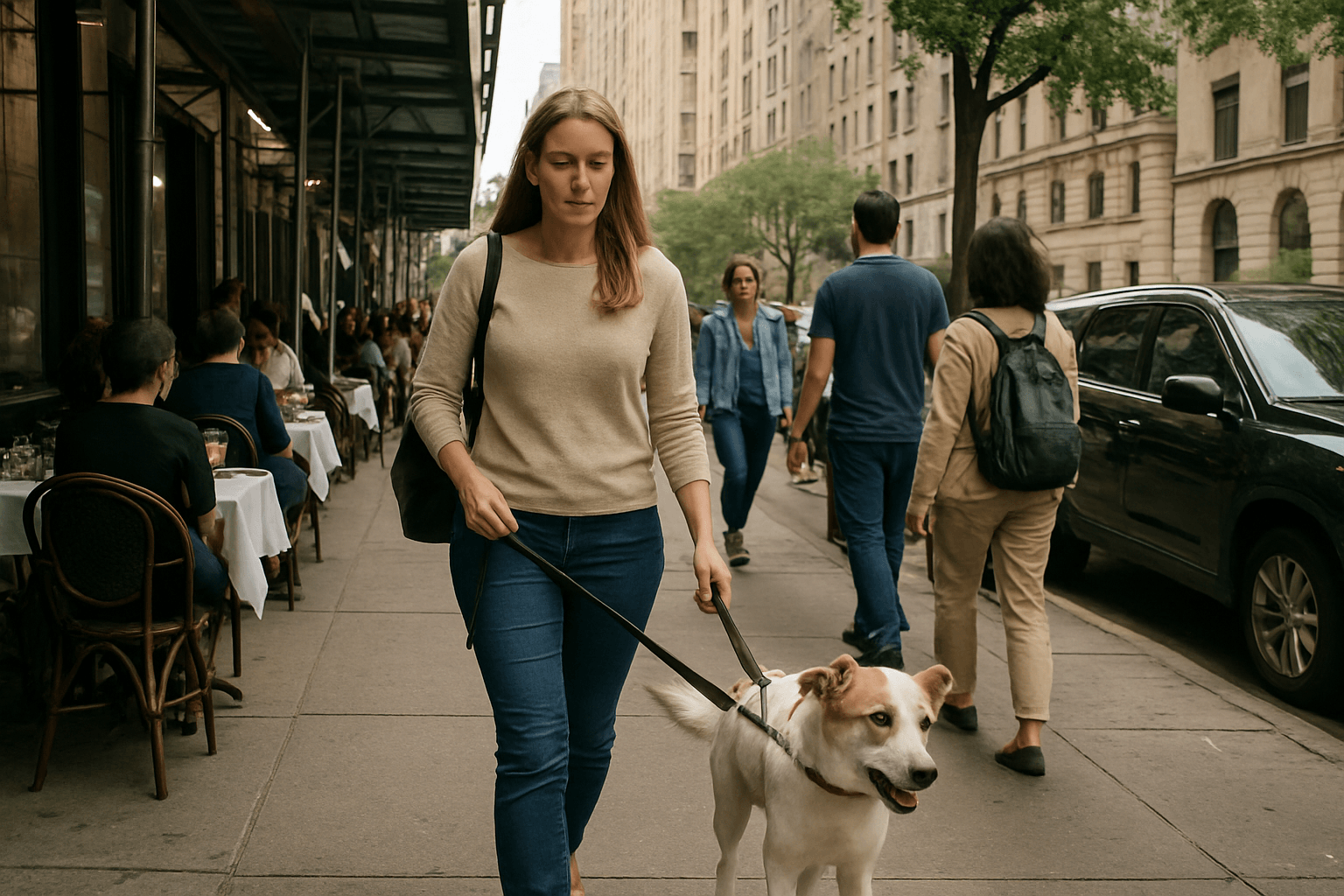
Managing encounters with other dogs and pedestrians
The Upper East Side presents unique social dynamics that require careful leash and harness management. With Central Park nearby and numerous dog runs throughout the neighborhood, you’ll frequently encounter other dogs and their owners. A shorter leash (4-6 feet) gives you better control when passing other dogs on narrow sidewalks, preventing unwanted interactions or tangled leashes. Look for leashes with comfortable padded handles, as you’ll need to maintain a firm grip during busy walking hours.
Pedestrian traffic peaks during morning and evening commutes, creating crowded sidewalks where your dog needs to stay close. A front-clip harness works exceptionally well here, as it naturally guides your dog to walk beside you rather than pulling ahead into foot traffic. The gentle steering action helps navigate through groups of people without your dog getting underfoot or causing accidents.
Street vendors, outdoor dining areas, and sidewalk construction create additional obstacles that require quick direction changes. A harness with both front and back attachment points gives you flexibility – use the front clip for steering through crowds and switch to the back clip for normal walking in less congested areas.
Dealing with doorman buildings and lobby etiquette
Doorman buildings dominate the Upper East Side landscape, and each has its own culture around pets. Your dog’s equipment should reflect the neighborhood’s upscale atmosphere while being practical. A clean, well-maintained leather leash paired with a sleek harness creates a positive impression with building staff and neighbors.
Many luxury buildings have marble or polished floors in their lobbies, which can be slippery for dogs. A harness provides better control when entering these spaces, allowing you to guide your dog safely across smooth surfaces. The chest strap also prevents sudden lunging if your dog gets excited seeing the doorman or other residents.
Building etiquette often requires dogs to be kept close to their owners in elevators and common areas. A 4-foot leash is ideal for these situations – long enough to give your dog some movement but short enough to keep them within your immediate space. Some buildings even specify leash length requirements in their pet policies.
Consider having a designated “building leash” that you keep clean and presentable specifically for indoor use. This attention to detail shows respect for the building community and can make the difference between a warm welcome and reluctant tolerance from staff and neighbors.
Handling subway grates and street obstacles
Upper East Side streets present numerous ground-level challenges that can catch dog owners off guard. Subway grates are everywhere, and many dogs find them intimidating or uncomfortable to walk over. A harness gives you the lifting power to help your dog across these obstacles if needed, while a traditional collar could cause choking if upward assistance is required—one reason the American Veterinary Medical Association emphasizes proper restraint methods for dogs in public and high-risk environments.
Construction sites are common throughout the neighborhood, creating temporary sidewalk diversions and debris. Your leash should be sturdy enough to handle quick direction changes and the occasional need to guide your dog around construction barriers or through narrow walkways. Reflective stitching becomes valuable during early morning or evening walks when construction lighting creates shadows and visibility challenges.
Street furniture like bike racks, fire hydrants, and outdoor dining barriers create a maze that requires constant navigation. Dogs can easily get their leashes tangled around these obstacles, especially retractable leashes. A standard fixed-length leash prevents these tangles and gives you better control when weaving through street furniture.
Weather creates additional obstacles unique to city walking. Snow piles block sidewalks, ice makes surfaces treacherous, and rain creates puddles that some dogs want to investigate. A harness distributes pressure evenly if you need to guide your dog away from these hazards, while also providing better traction control than a collar when your dog’s footing becomes uncertain on wet pavement.
Related Articles:
Best Time of Day for Dog Walking in the Upper East Side
Conclusion
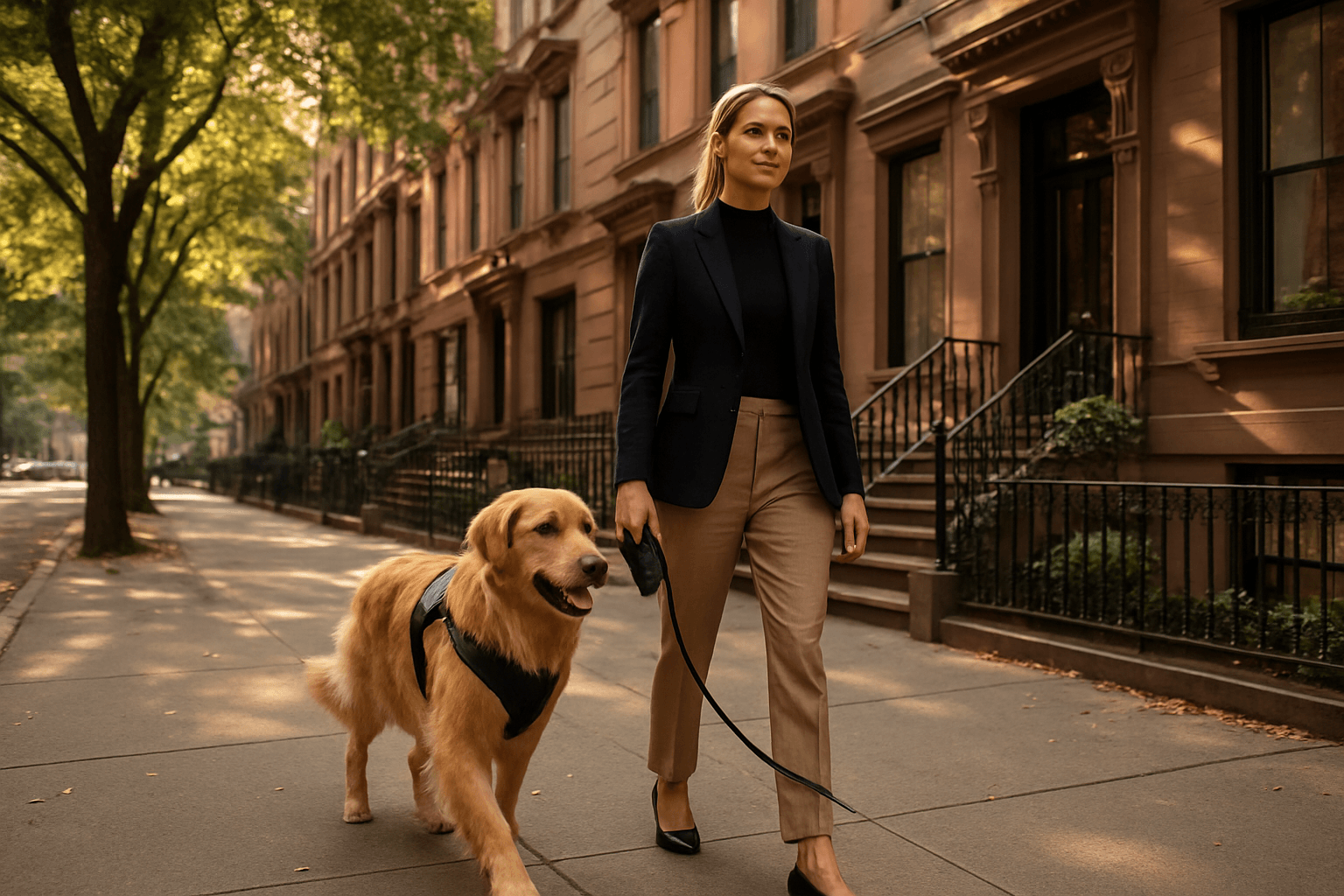
Walking your dog through the bustling streets of the Upper East Side comes with unique challenges that the right gear can help you tackle with confidence. From retractable leashes that give your pup freedom on quieter side streets to no-pull harnesses that keep them comfortable around crowds and traffic, the equipment you choose makes all the difference—especially when combined with professional support like Pet Care Services in Manhattan, NYC.
Take some time to assess your dog’s specific needs and walking behavior before making your final choice. Whether you’re dealing with a strong puller who gets excited by all the city sights and sounds, or a smaller dog who needs extra security around busy intersections, there’s a perfect combination of leash and harness waiting for you. Your neighborhood walks should be enjoyable bonding time, not a daily struggle, so don’t hesitate to try different options until you find what works best for your four-legged companion.
Frequently Asked Questions (FAQs)
For most Upper East Side walks, a 4–6 foot leash is ideal. It gives your dog enough freedom to move comfortably while keeping them close on crowded sidewalks, near traffic, and around other pedestrians. Retractable leashes are not recommended for busy NYC streets.
Yes. Harnesses are generally safer than collars for city dog walking, especially in high-traffic areas like the Upper East Side. They provide better control, reduce strain on your dog’s neck, and help prevent sudden lunges near intersections or subway entrances.
Front-clip or no-pull harnesses work best for dogs that pull. These harnesses gently redirect your dog toward you when they lunge forward, making them especially effective on busy Manhattan sidewalks and in crowded areas.
Retractable leashes are not recommended for walking dogs in NYC. On narrow Upper East Side sidewalks, they can create tripping hazards, make it harder to control your dog, and lead to dangerous situations near traffic or cyclists.
The right leash and harness help keep your dog safe, calm, and close in crowded urban environments. Proper equipment reduces pulling, improves control, and makes daily walks in the Upper East Side more enjoyable for both dogs and owners.