
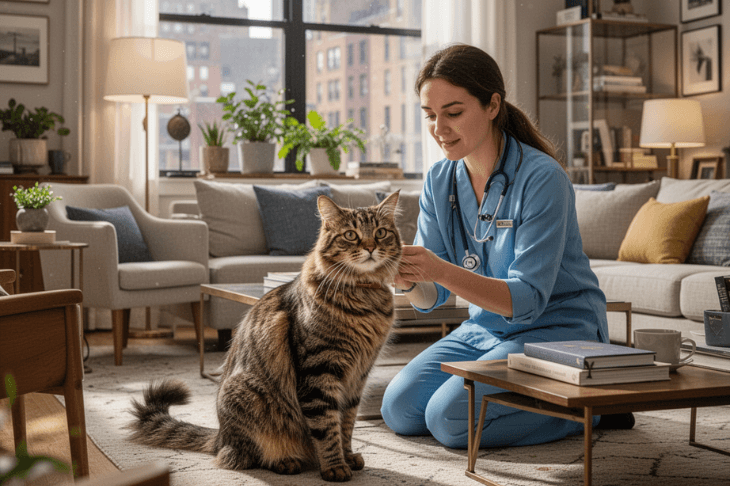
Cat visits in the Upper East Side bring veterinary care directly to your doorstep, making healthcare less stressful for both you and your feline friend. This guide is for cat parents who want to know exactly what to expect when a mobile vet arrives at their Manhattan home.
During these convenient house calls, your cat stays in their familiar environment while receiving professional medical attention. For pet parents who already rely on Cat Sitting Services in the Upper East Side, Manhattan NYC, mobile veterinary care can be a natural extension of at-home support, ensuring your feline receives thorough health evaluations without the stress of travel. You’ll also discover what diagnostic tools mobile veterinarians bring along and learn about the common treatments they can perform right in your living room.
Pre-Visit Preparation for Your Cat’s Comfort

Scheduling Your Appointment During Optimal Times
Cats are creatures of habit, and timing your home visit can make a huge difference in how your feline friend responds to the veterinarian. Most cats are naturally more relaxed during midday hours when they’ve settled into their typical afternoon routine. Avoid scheduling during feeding times, as hungry cats can be more irritable, and well-fed cats might feel sluggish or uncomfortable during examination.
Consider your cat’s individual personality and daily patterns. If your cat is typically more active in the morning, schedule the visit after their energy peak when they’re beginning to wind down. For senior cats or those with anxiety issues, late morning appointments often work best, giving them time to fully wake up without interfering with their evening routines.
Weekend appointments might seem convenient, but weekdays often provide a quieter household environment. Children are at school, and there’s generally less foot traffic and noise that could stress your cat. If you work from home, try to clear your schedule around the visit time to focus entirely on keeping your pet comfortable.
Preparing Your Cat’s Medical History and Documentation
Gathering comprehensive medical records before the visit saves valuable time and ensures the veterinarian has complete information to make informed decisions. Start by collecting vaccination records, including dates and vaccine types. Many Upper East Side practices require proof of current rabies vaccination in accordance with guidance from the New York City Department of Health and Mental Hygiene.
Create a detailed list of current medications, including dosages and administration schedules. Include any supplements, treats, or over-the-counter products you’ve given your cat. Even seemingly minor items like hairball remedies or dental chews can interact with prescribed medications or provide clues about your cat’s health status.
Document recent behavioral changes, eating habits, litter box usage, and any symptoms you’ve observed. Include dates when possible, as this timeline helps veterinarians identify patterns and potential triggers. Note your cat’s normal weight if you have recent measurements, as weight changes can indicate various health concerns.
Prepare a list of questions and concerns you want to discuss. Write them down beforehand, as it’s easy to forget important points during the appointment. Include questions about preventive care, dietary recommendations, and any behavioral issues you’ve noticed.
Creating a Calm Environment Before the Veterinarian Arrives
Start preparing your home environment at least an hour before the scheduled appointment. Choose a quiet room where the examination will take place, preferably one where your cat feels comfortable and secure. Remove other pets from the area to prevent distractions and reduce stress for everyone involved.
Dim harsh lighting and eliminate loud noises like television, music, or household appliances. Cats are sensitive to environmental changes, and a peaceful atmosphere helps them remain calm during the examination. Open windows slightly for fresh air circulation, but ensure your cat cannot escape.
Set up your cat’s favorite blanket or bed in the examination area. Familiar scents provide comfort and security during what can be a stressful experience. Avoid using strong air fresheners or cleaning products right before the visit, as these unfamiliar smells can increase anxiety.
Consider using feline pheromone diffusers or sprays about 30 minutes before the appointment. These synthetic versions of natural cat pheromones can help reduce stress and create a more relaxing environment. Keep treats nearby that you know your cat enjoys, as these can serve as positive distractions during the examination.
If your cat typically hides when strangers arrive, don’t force them out beforehand. Instead, make sure their hiding spots are accessible so they can retreat if needed, but also ensure the veterinarian can safely reach them when necessary.
Related Articles:
Cat Sitting in the Upper East Side: What to Know Before Booking
Initial Assessment and Health Examination
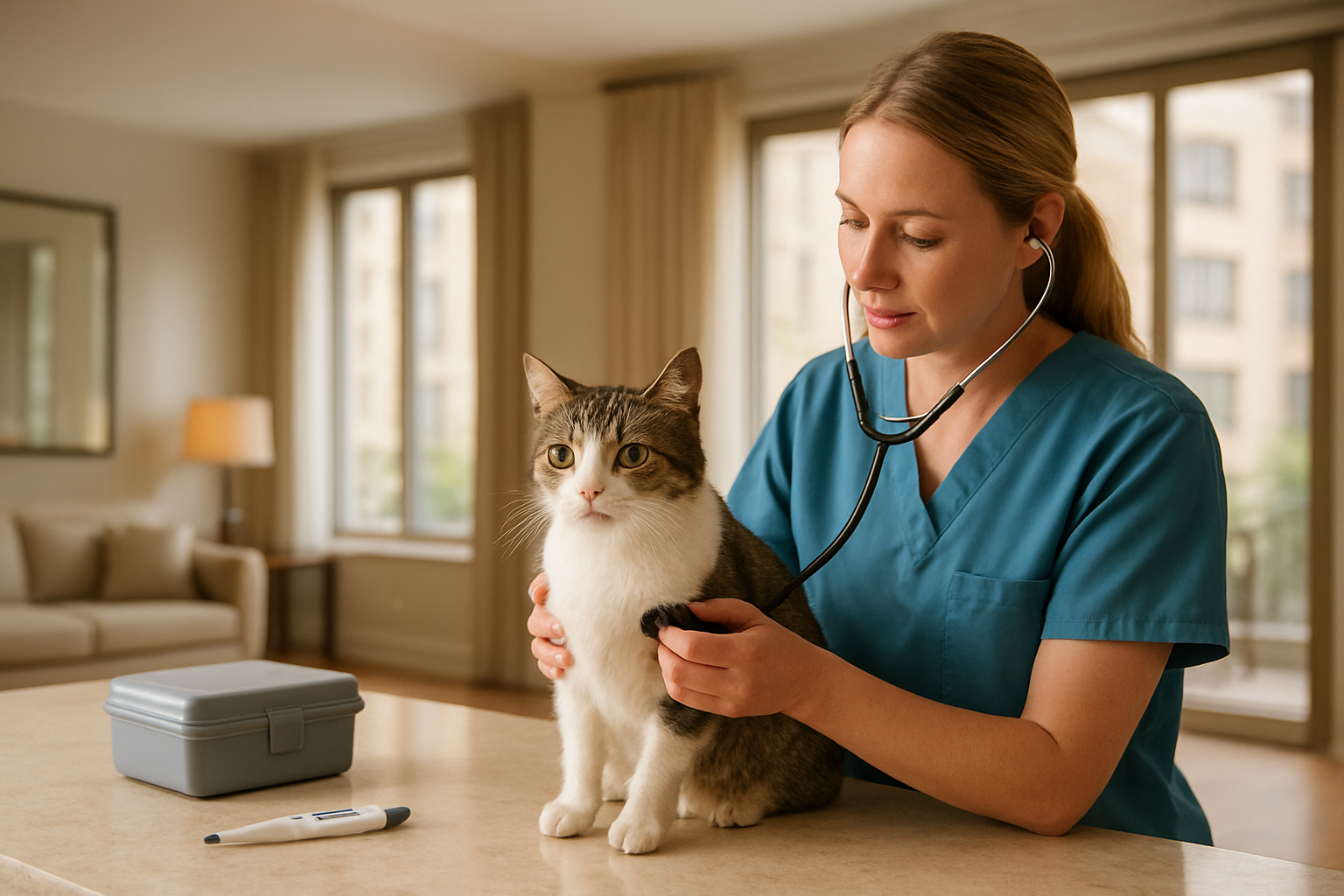
Comprehensive physical examination from nose to tail
Your veterinarian begins with a systematic head-to-toe examination that reveals important details about your cat’s overall health. Starting at the nose, they check for discharge, proper airflow, and any signs of congestion or irritation. The mouth examination includes inspecting teeth for tartar buildup, gum inflammation, and checking for any oral masses or dental disease that could cause pain or eating difficulties.
Moving to the eyes, the vet looks for clarity, discharge, redness, or signs of infection. They’ll examine the ears for wax buildup, mites, or bacterial infections that are common in indoor cats. The neck area gets attention for lymph node swelling, which can indicate various health issues.
The thoracic examination involves listening to heart and lung sounds with a stethoscope. Your vet can detect heart murmurs, irregular rhythms, or respiratory abnormalities that might not be obvious during daily observation. They’ll palpate the abdomen to check organ size, detect any masses, and assess for pain or discomfort.
The musculoskeletal examination includes checking joints for arthritis, especially important in older cats, and evaluating muscle mass and body condition. Your vet will also examine the skin and coat quality, looking for parasites, allergic reactions, or dermatological conditions. The tail, paws, and claws receive attention to ensure there are no injuries, infections, or overgrowth issues.
Vital signs monitoring and baseline measurements
Temperature, pulse, and respiration form the foundation of your cat’s vital sign assessment. According to the Merck Veterinary Manual, normal feline body temperature ranges from 100.5°F to 102.5°F, and your veterinarian uses a digital thermometer for accurate readings. An elevated temperature might indicate infection, while lower temperatures can suggest serious illness or shock.
Heart rate evaluation involves both listening with a stethoscope and feeling the pulse. Healthy cats typically have heart rates between 140-220 beats per minute, though this varies with age, size, and stress level. Your vet will note any irregularities in rhythm or rate that could indicate cardiac issues.
Respiratory rate monitoring counts breaths per minute, with normal cats breathing 20-30 times per minute at rest. Rapid or labored breathing can signal respiratory disease, pain, or stress. Your veterinarian observes breathing patterns and listens for abnormal sounds.
Weight measurement provides crucial baseline data for tracking your cat’s health over time. Many health conditions cause weight changes, so having accurate measurements helps detect problems early. Your vet will also assess body condition score, which evaluates whether your cat is underweight, ideal, or overweight regardless of the actual number on the scale.
Blood pressure measurement, when indicated, helps identify hypertension, which is common in older cats and can lead to serious complications if left untreated, as explained by the American Veterinary Medical Association.
Behavioral evaluation and stress level assessment
Understanding your cat’s mental state during the examination helps your veterinarian provide better care and identify potential behavioral issues. Cats communicate stress through body language, vocalizations, and physiological changes that trained professionals can recognize and interpret, as detailed by the Cornell University College of Veterinary Medicine. Your vet observes posture, facial expressions, and tail position to gauge comfort levels.
Your vet observes posture, facial expressions, and tail position to gauge comfort levels. A relaxed cat typically sits normally with ears forward, while stressed cats might crouch low, flatten their ears, or hide. Excessive panting, drooling, or trembling indicates high stress that might affect examination accuracy.
The assessment includes evaluating your cat’s response to handling and interaction. Some cats remain calm throughout the examination, while others become defensive or withdrawn. Your veterinarian adjusts their approach based on these observations, using gentle techniques and giving breaks when needed.
Behavioral changes you’ve noticed at home get discussed during this evaluation. Changes in litter box habits, appetite, sleep patterns, or social interaction can indicate underlying health problems or environmental stressors. Your vet will ask specific questions about these behaviors to build a complete picture.
Pain assessment forms part of the behavioral evaluation since cats hide discomfort well. Your veterinarian looks for subtle signs like altered posture, reluctance to move, or changes in grooming habits that might indicate arthritis, dental pain, or other discomfort that requires attention.
Related Articles:
In-Home Cat Sitting in the Upper East Side: Benefits for Cats
Diagnostic Services Available During Home Visits
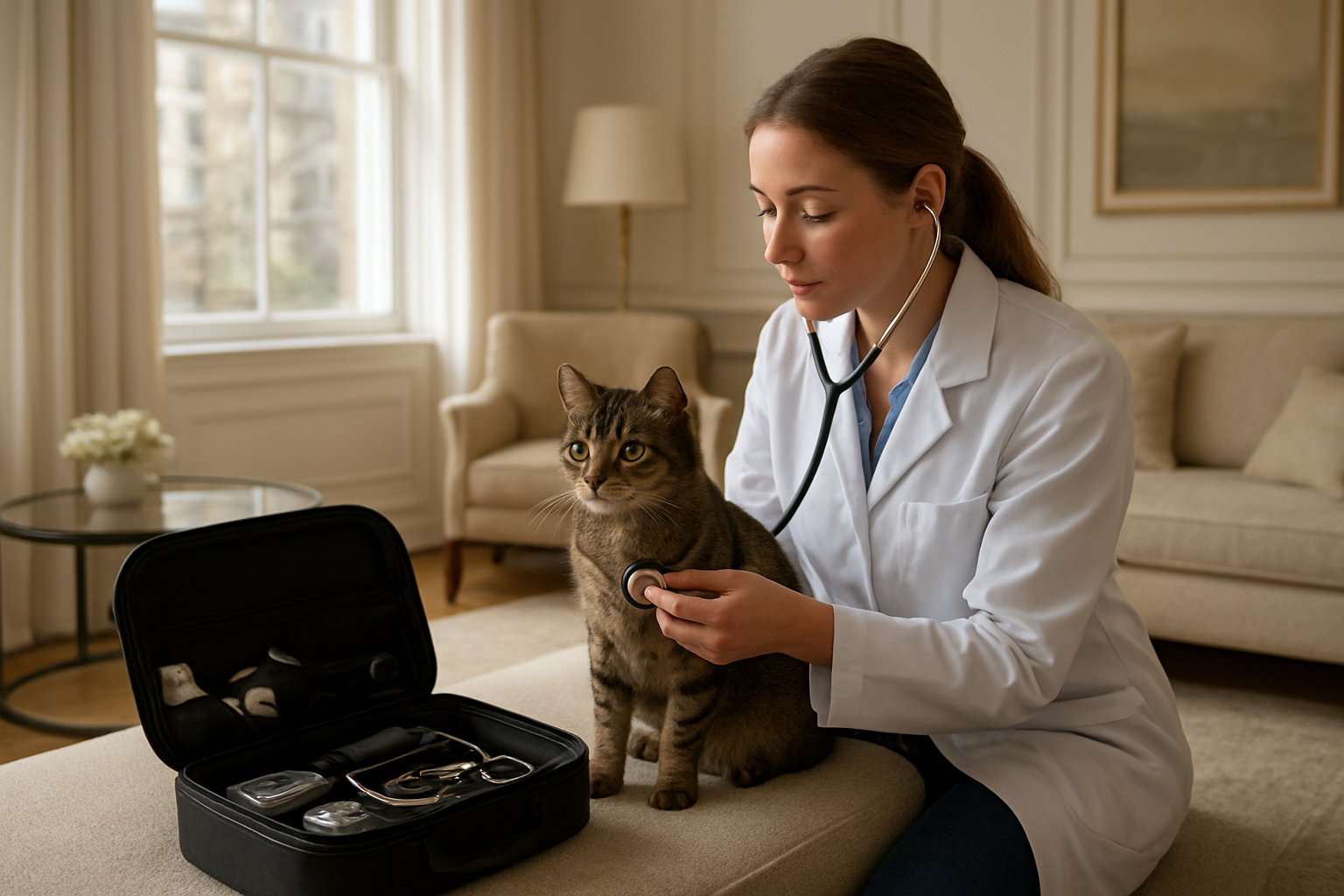
On-site laboratory testing and sample collection
Mobile veterinary services bring sophisticated laboratory capabilities right to your cat’s familiar environment. Blood draws become much less stressful when your feline companion remains in their safe space rather than experiencing the anxiety of a clinical setting. These visits typically include comprehensive blood chemistry panels, complete blood counts, and thyroid function tests that can be processed either on-site with portable analyzers or sent to partner laboratories for detailed analysis.
Urine collection presents unique challenges in traditional clinic settings, but home visits allow for more natural sample gathering. Veterinarians can provide special non-absorbent litter for collection or use cystocentesis techniques when necessary. Fecal samples for parasite screening and bacterial cultures can be collected fresh, ensuring more accurate diagnostic results. Skin scrapings for mite detection, fungal cultures for ringworm testing, and fine needle aspirates for lumps or masses can all be performed comfortably in your living room.
Digital radiography and imaging capabilities
Modern portable X-ray equipment has revolutionized home veterinary care for cats. Digital radiography systems now fit into compact, mobile units that produce high-quality images comparable to traditional clinic equipment. These systems excel at diagnosing fractures, joint problems, bladder stones, and internal obstructions without the stress of transportation.
Ultrasound technology has become increasingly portable, allowing for cardiac evaluations, abdominal imaging, and pregnancy monitoring during house calls. Real-time imaging helps veterinarians assess organ function, detect fluid accumulations, and guide sample collection procedures. The quiet operation of modern ultrasound machines works particularly well with sensitive cats who might be frightened by louder clinic equipment.
Cardiac and respiratory evaluations
Heart and lung assessments benefit tremendously from the calm home environment. Cats often purr during veterinary examinations, which can mask heart murmurs and abnormal lung sounds in clinic settings. At home, many cats remain relaxed enough for thorough cardiac auscultation without the interference of stress-induced purring or panting.
Portable EKG machines can detect arrhythmias and other electrical abnormalities of the heart. Blood pressure measurements using Doppler technology provide accurate readings when cats aren’t experiencing white-coat syndrome. Pulse oximetry monitoring ensures adequate oxygen saturation levels, particularly important for senior cats or those with respiratory concerns. These evaluations often reveal conditions that might be missed during stressful clinic visits, leading to earlier intervention and better outcomes for your feline companion.
Related Articles:
Overnight Cat Sitter in the Upper East Side: When It’s Needed
Common Treatments Performed in Your Home
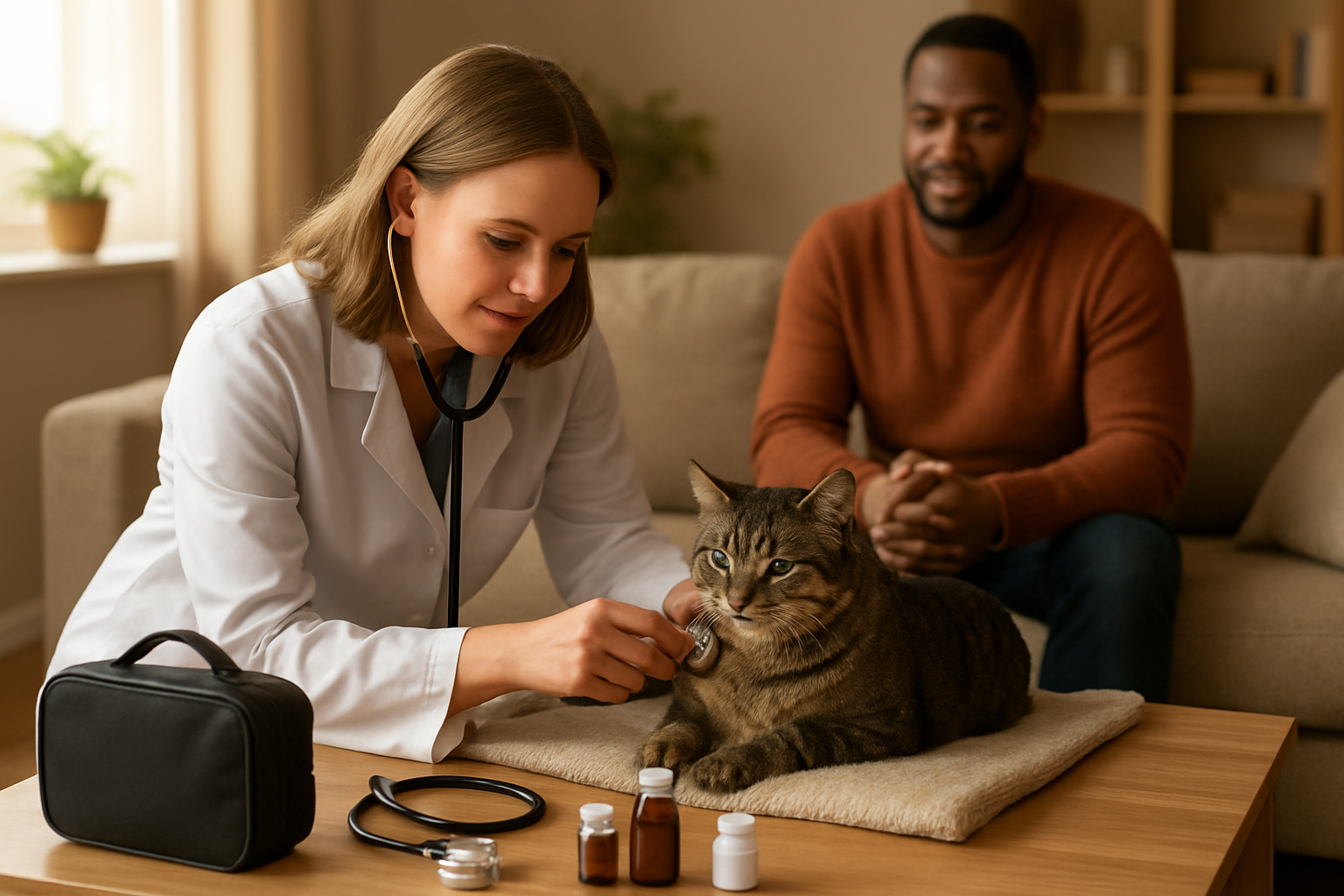
Vaccination Administration and Preventive Care
Mobile veterinary services bring essential preventive care directly to your cat’s familiar environment, reducing stress while maintaining their health schedule. Core vaccinations like FVRCP (covering feline viral rhinotracheitis, calicivirus, and panleukopenia), as outlined by the American Association of Feline Practitioners, can be administered safely in your living room, where your cat feels secure and comfortable. The vaccination process during home visits typically involves a brief examination before administration.
The vaccination process during home visits typically involves a brief examination before administration. Your veterinarian will check your cat’s temperature, heart rate, and overall condition to ensure they’re healthy enough for vaccines. This pre-vaccination assessment often catches early signs of illness that might otherwise go unnoticed.
Preventive treatments extend beyond vaccines to include flea and tick prevention, heartworm prevention, and parasite control. Many cats tolerate topical treatments better at home since they can retreat to their favorite hiding spots afterward. Oral medications for parasite prevention are often easier to administer when your cat isn’t already stressed from travel.
Annual wellness blood work can also be collected during these visits. A simple blood draw allows for early detection of kidney disease, diabetes, and other common feline health issues. The mobile lab setup means results are available quickly, and treatment plans can be discussed immediately if needed.
Minor Surgical Procedures and Wound Care
Your home can serve as an appropriate setting for various minor surgical interventions that don’t require extensive equipment or hospitalization. Simple wound cleaning and suturing work well in familiar surroundings, where cats often remain calmer throughout the procedure.
Abscess drainage represents one of the most common minor procedures performed during home visits. Cat bite wounds frequently develop into painful abscesses that need immediate attention. The mobile veterinarian can lance, clean, and dress these wounds while your cat recovers in their own space.
Small mass removals, particularly skin tags or superficial lumps, can often be handled during home visits using local anesthesia. The procedure involves numbing the area, removing the growth, and applying appropriate bandaging. Recovery happens in your cat’s preferred resting spots rather than a sterile clinic environment.
Basic wound care for cuts, scrapes, or post-surgical incision monitoring works exceptionally well during home visits. The veterinarian can teach you proper cleaning techniques and bandage changes while demonstrating on your cat. This hands-on education proves invaluable for ongoing care between visits.
Nail trimming, though not surgical, often requires restraint that’s easier to manage at home. Many cats who fight nail trims at the clinic tolerate the procedure better when performed on familiar territory with their owner nearby for comfort.
Medication Administration and Injection Techniques
Teaching proper medication administration during home visits creates confident pet owners who can maintain their cat’s treatment regimen effectively. Demonstration on your own cat provides personalized instruction that generic advice cannot match.
Subcutaneous fluid therapy, commonly needed for cats with kidney disease, becomes manageable when learned at home. The veterinarian sets up the fluid bag, demonstrates proper needle placement, and guides you through the entire process while your cat remains calm in familiar surroundings. This skill saves countless clinic visits for routine fluid administration.
Injectable medications like insulin for diabetic cats require precise technique and timing. Home instruction allows practice with your specific cat’s temperament and preferred restraint methods. The veterinarian can identify the best injection sites and teach rotation patterns to prevent tissue irritation.
| Medication Type | Home Administration Benefits |
|---|---|
| Oral tablets/liquids | Reduced stress, familiar environment |
| Topical treatments | No post-application travel stress |
| Injectable medications | Personalized technique instruction |
| Subcutaneous fluids | Cost-effective ongoing care |
Pill administration techniques vary dramatically between cats, and what works for one may fail completely for another. During home visits, the veterinarian can try different approaches – hiding pills in treats, using pill guns, or compounding into flavored liquids – to find what works best for your specific cat.
Long-acting injectable medications, such as antibiotics or pain management drugs, can be administered during routine home visits. These injections often eliminate the need for daily oral medications, particularly beneficial for cats who resist pill-taking or for owners with busy schedules.
Conclusion
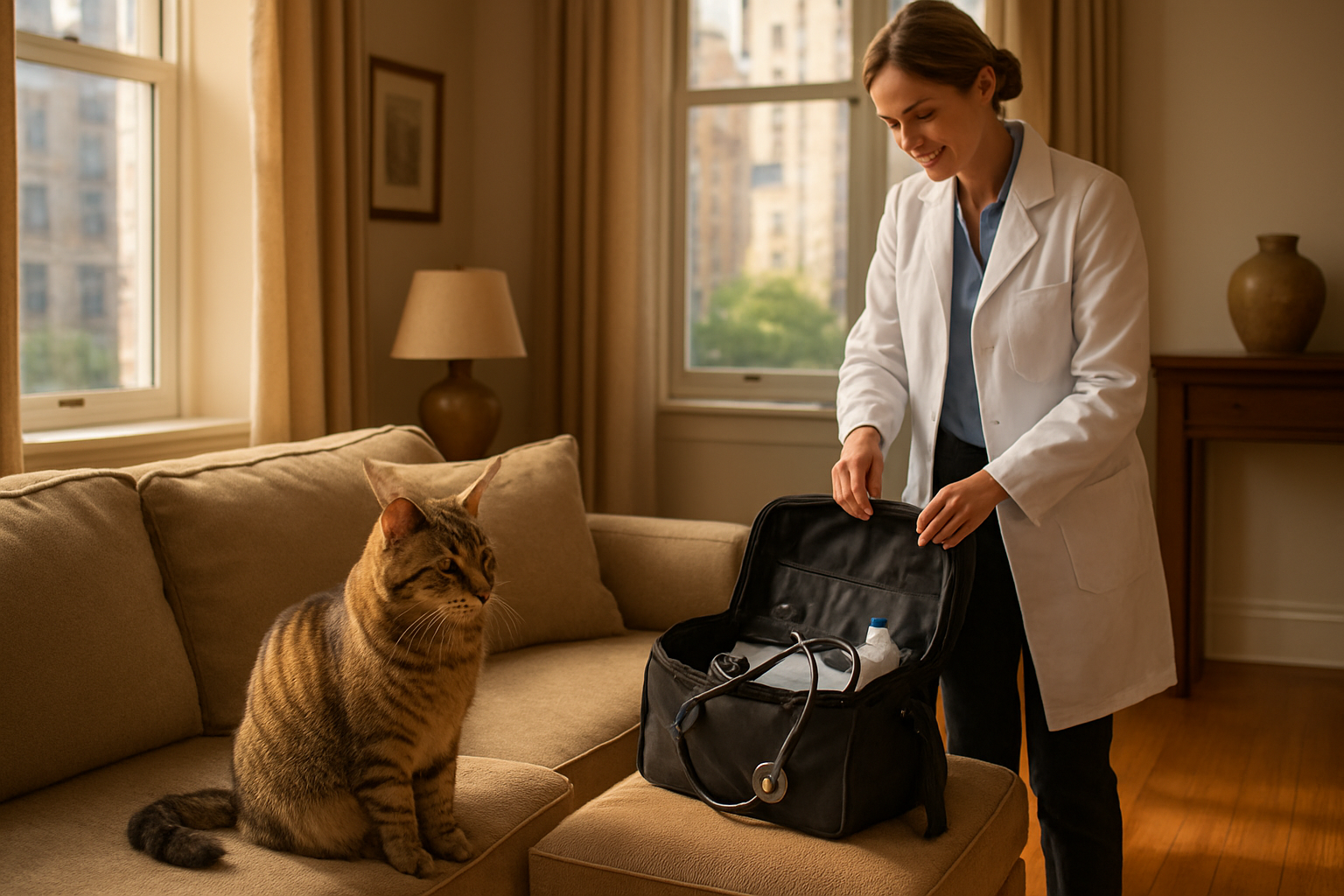
Your cat’s comfort comes first during Upper East Side home visits, and proper preparation makes all the difference. From creating a calm environment beforehand to having your pet’s medical history ready, these small steps help your furry friend feel secure when the vet arrives. The initial health check covers everything from basic vitals to behavioral observations, giving your veterinarian a complete picture of your cat’s wellbeing right in their familiar surroundings.
The beauty of home visits lies in the comprehensive care your cat receives without the stress of traveling. As part of the broader support available through Pet Care Services in Manhattan, NYC, diagnostic services like blood work, urine tests, and even some imaging can happen right in your living room, while common treatments from vaccinations to minor procedures are handled with the same professional standards as a clinic visit. If your cat gets anxious at the vet’s office or you’re looking for a more personalized approach to their healthcare, scheduling a home visit could be the perfect solution for both of you.
Frequently Asked Questions
During a home visit, the veterinarian performs a full health exam, checks vital signs, evaluates behavior, and can provide diagnostics and treatments in your home.
Yes. Mobile vets offer comprehensive exams, blood work, urine testing, vaccinations, and many minor procedures with the same professional standards as a clinic.
Prepare a quiet space, have your cat’s medical history ready, and secure other pets to ensure a calm and efficient visit.
Absolutely. Home visits reduce travel stress and allow your cat to stay in a familiar environment, which often leads to a calmer experience.
If your cat experiences stress at clinics, has mobility issues, or you prefer personalized in-home care, a mobile vet visit may be ideal.