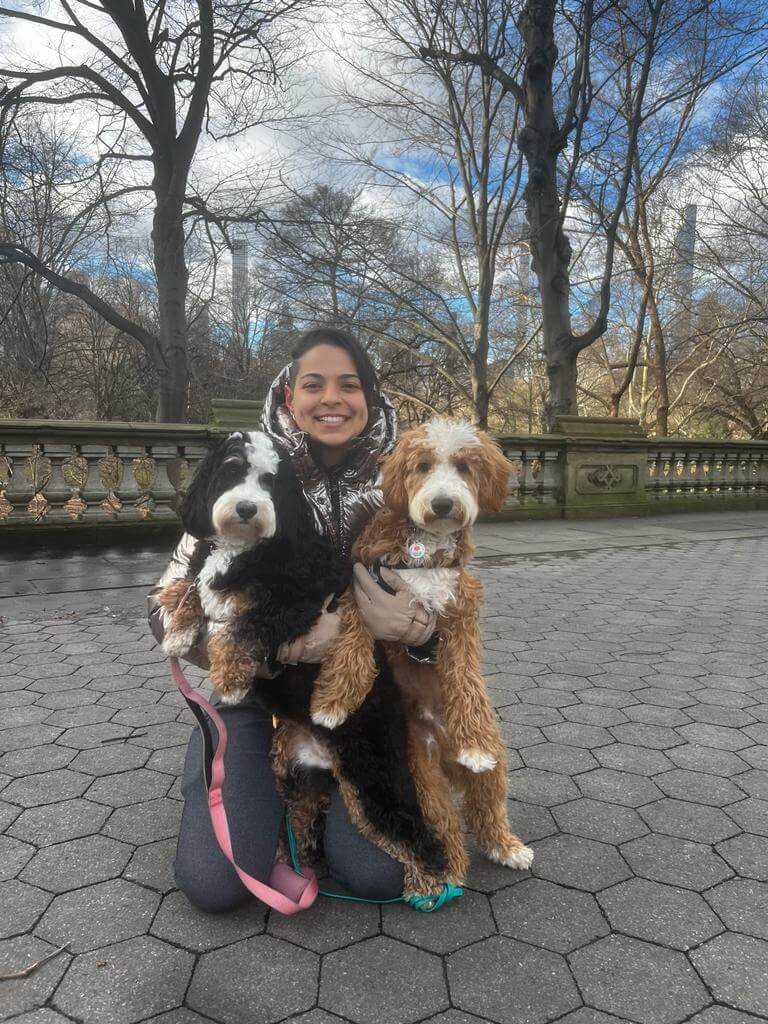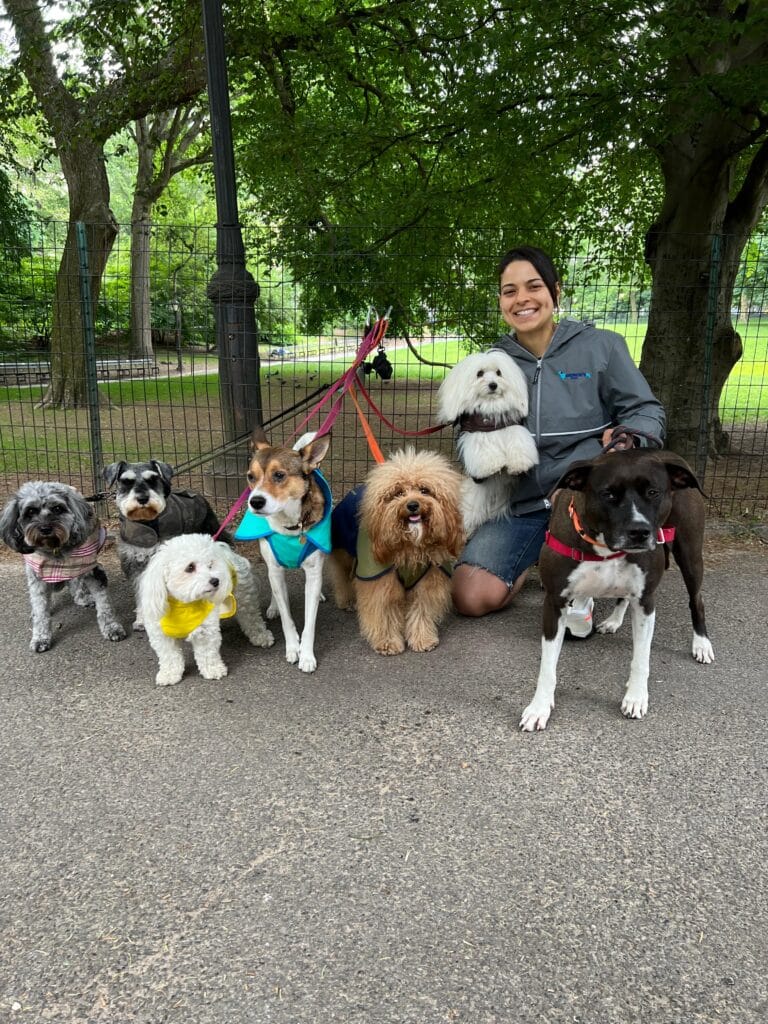

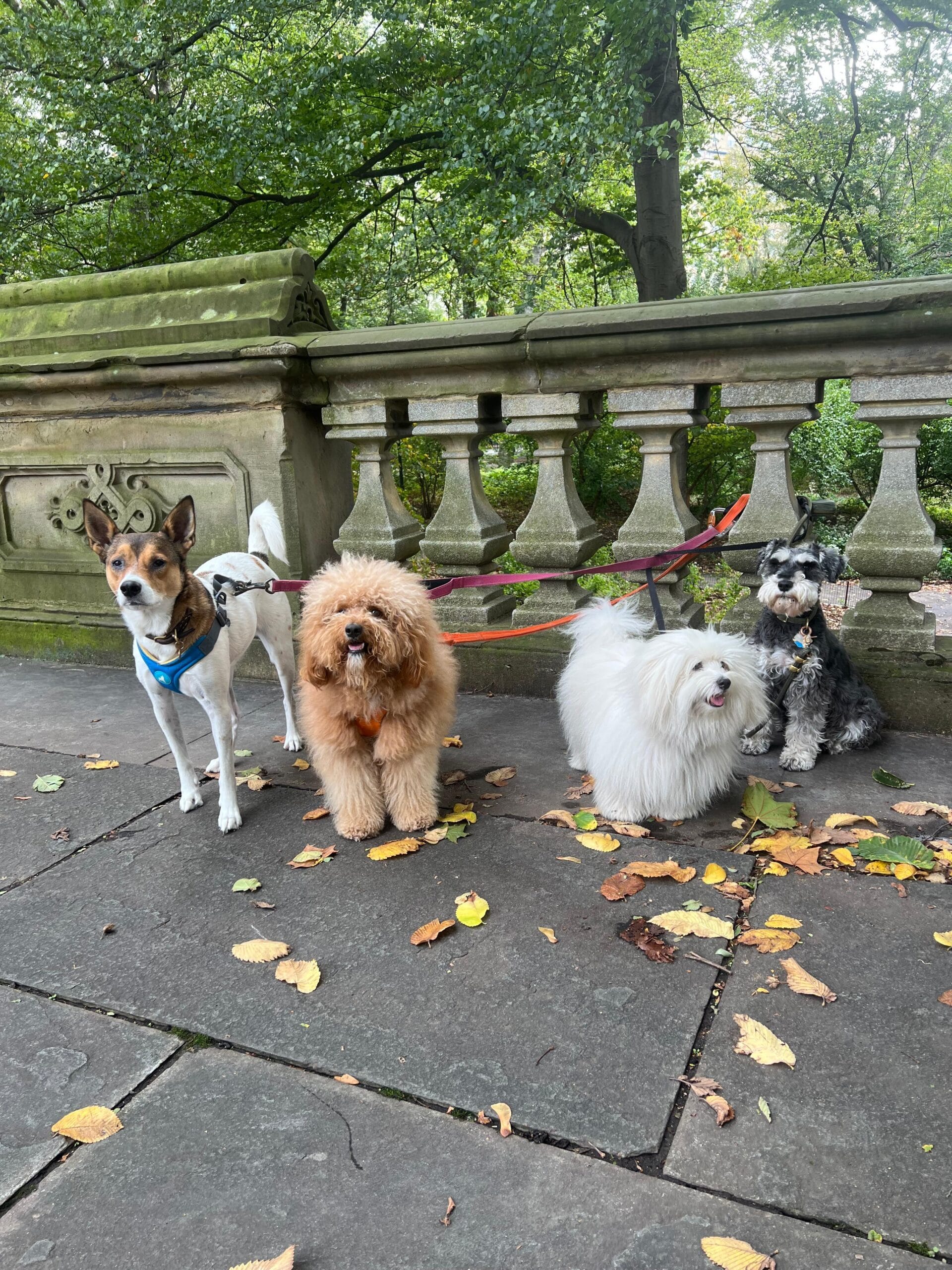
New to the Upper East Side or just want to make the most of your daily walks? This guide is for dog owners who live near Central Park’s east side and want insider tips for better walks with their furry companions.
Dog walking in the Upper East Side offers amazing access to some of the city’s best green spaces, but knowing which entrances and routes work best can make all the difference. For pet owners who prefer professional support, working with a Dog Walker in the Upper East Side, Manhattan NYC can help ensure your dog enjoys consistent, safe, and well-planned walks tailored to the neighborhood.
We’ll cover how to pick the right Central Park entrance based on your dog’s personality and energy needs, plus the safest routes that other neighborhood dog parents swear by. You’ll also discover the best spots to meet other dog owners and build those friendships that make city living with pets so much better.
Navigate Central Park’s East Side Entry Points Like a Pro
Master the 59th Street and Fifth Avenue entrance for quick park access
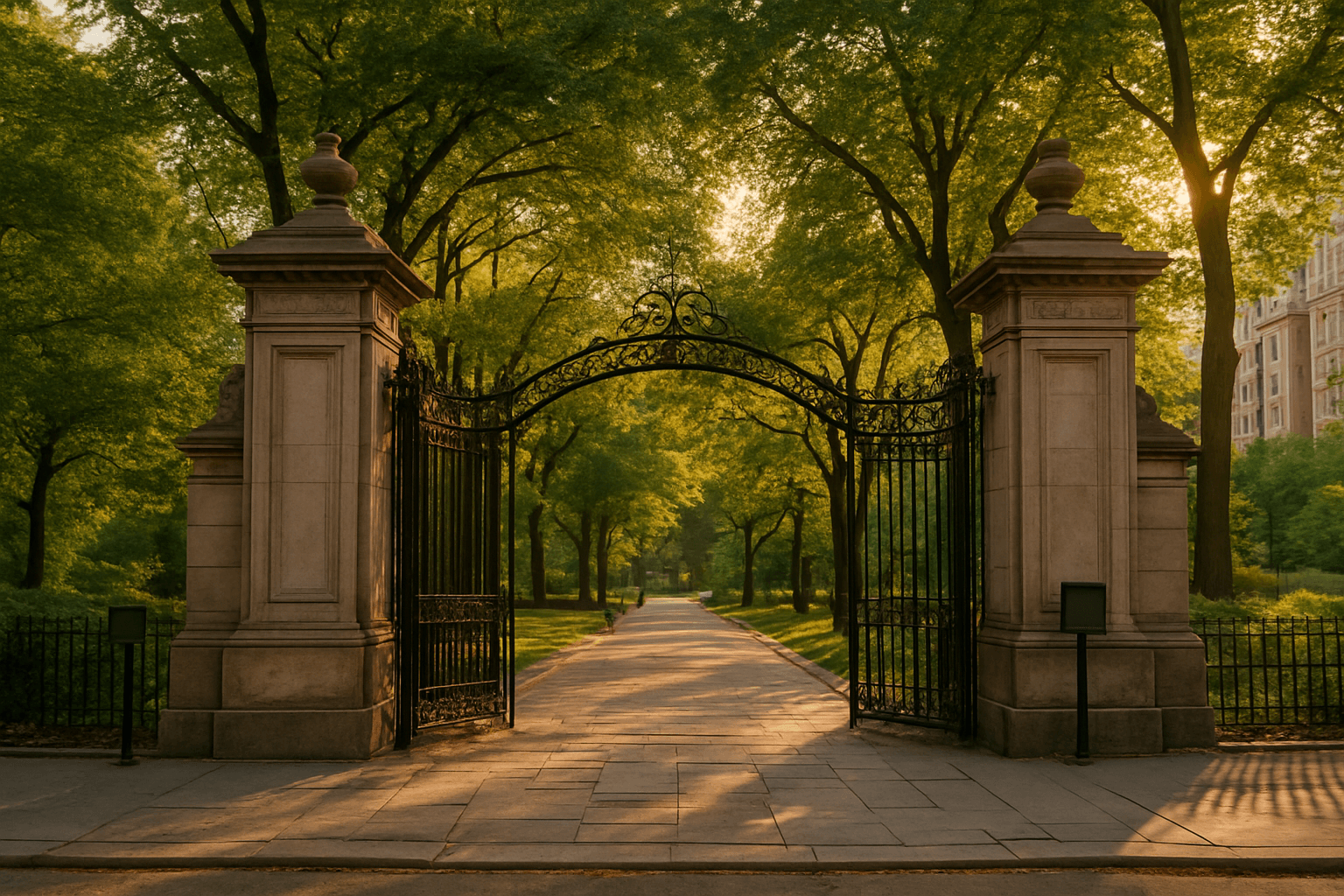
The 59th Street entrance at Fifth Avenue serves as your gateway to immediate Central Park access, making it perfect for those spontaneous dog walks when time is tight. This entrance puts you right at the heart of the action, with the iconic Plaza Hotel as your landmark – you can’t miss it. Your furry friend will love the instant energy boost from entering directly into the park’s bustling southern section.
Park your car along Fifth Avenue if you’re driving, though expect to pay premium street parking rates in this prime real estate zone. The subway access is unbeatable here – the N, R, W trains at 59th Street-Lexington Avenue are just a short walk away. The NYC Department of Transportation highlights this area as one of Manhattan’s most transit-connected hubs, making it especially convenient for Upper East Side dog owners who rely on public transportation.
Once inside, you’ll find yourself on the wide, paved paths perfect for dogs who need to burn energy quickly. According to NYC Parks – Central Park, this entrance connects directly to the Pond and Gapstow Bridge area, offering scenic water views and some of the most iconic walking paths in the park.
Watch for horse-drawn carriages near this entrance, as they can spook some dogs. The area tends to get crowded between 10 AM and 4 PM, so early morning or evening walks work best if your dog gets overwhelmed by crowds.
Discover the hidden gem at 64th Street and Fifth Avenue
Most dog owners walk right past the 64th Street entrance without realizing they’re missing one of the most peaceful entry points along Central Park’s eastern border. This entrance offers a more intimate park experience, with fewer crowds and a gentler introduction to the park’s winding paths.
The entrance sits directly across from the Central Park Zoo, which means you’ll hear occasional animal sounds that might pique your dog’s curiosity. Don’t worry – the sounds are distant enough not to cause major distractions, but curious pups often perk up their ears as you enter.
What makes this entrance special is its direct connection to the Conservatory Water, home to the famous model boat sailing. Your dog can watch the miniature boats glide across the water while you both take a breather on one of the surrounding benches. The area around Conservatory Water stays relatively calm, even during busy park days.
The pathways here branch off in multiple directions, giving you flexibility to customize your walk based on your dog’s mood and energy level. Head north toward the Great Lawn for open space running, or stick to the southern loops for a more leisurely stroll. The tree canopy provides excellent shade during summer months, and the slightly elevated terrain gives your dog interesting scents to explore without overwhelming stimulation.
Parking proves easier along this stretch of Fifth Avenue compared to the busier 59th Street area, though it’s still metered parking with time limits.
Use the spacious 72nd Street entrance for busy morning walks
The 72nd Street entrance at Fifth Avenue stands out as the most accommodating option for morning rush-hour dog walks, especially if you’re juggling a busy schedule. This entrance opens onto wider pathways that can handle higher volumes of park users without creating bottlenecks that stress reactive dogs.
Morning dog walkers love this entrance because it connects directly to the Bethesda Fountain area via multiple route options. You can take the direct path for a quick 15-minute loop, or branch off toward the Bow Bridge for a longer adventure. The variety keeps both you and your dog engaged, preventing walk routine from becoming stale.
The entrance features better lighting than some of the park’s other entry points, making it safer for those pre-dawn walks when you’re trying to beat the summer heat. Street cleaning schedules work in your favor here too – the area gets cleaned early, so you’re walking on fresh pavement rather than yesterday’s debris.
Dog waste stations are strategically placed within the first few hundred feet of this entrance, saving you from carrying bags for long distances. The nearby subway access via the 6 train at 68th Street-Lexington Avenue makes this entrance particularly convenient for apartment dwellers who don’t drive.
During peak morning hours (7-9 AM), expect to encounter joggers, commuters cutting through the park, and other dog walkers. The wide pathways prevent most conflicts, but keep your dog closer during these busier periods. The entrance also provides easy access to the park’s designated off-leash areas if your dog has earned that privilege.
Related Articles:
Why the Upper East Side is One of the Best Neighborhoods for Dog Walking
How Weather Impacts Dog Walking Routines in the Upper East Side NYC
Choose the Perfect Walking Routes for Your Dog’s Energy Level

Select high-energy paths along the Reservoir for active breeds
The Jacqueline Kennedy Onassis Reservoir offers the ultimate cardio session for dogs that never seem to tire. According to the American Kennel Club, high-energy breeds benefit from longer, consistent walks that combine physical exercise with mental stimulation. This 1.58-mile loop around the water creates the perfect training ground for breeds like Border Collies, Australian Shepherds, and German Shorthaired Pointers who need serious exercise to stay mentally balanced.
Start your reservoir adventure at the 90th Street entrance and head counterclockwise – you’ll join the flow of other runners and walkers while giving your energetic pup plenty of visual stimulation. The crushed gravel path provides excellent traction for dogs who love to pick up speed, and the consistent elevation keeps their heart rate elevated throughout the walk.
Pro Tips for Reservoir Walking:
- Early morning (6-8 AM) offers cooler temperatures and fewer crowds
- Bring a longer leash (6-8 feet) to give active dogs room to explore while maintaining control
- Pack extra water – the reservoir path has limited shade during peak sun hours
- Watch for cyclists on the main loop and keep dogs close during passing
Athletic breeds often complete multiple reservoir loops, making this an ideal spot for dog walking in the upper east side when you need to burn serious energy. The scenic water views keep both you and your dog engaged, while the steady stream of other park visitors provides socialization opportunities for well-behaved pups.
Find gentle strolls through the Conservatory Garden for senior dogs
The Conservatory Garden transforms dog walking into a therapeutic experience, especially for older dogs dealing with joint issues or mobility concerns. The Central Park Conservancy – Conservatory Garden describes this area as a peaceful, formal garden designed for slow, restorative walks away from heavy crowds.
The garden’s three distinct sections – French, Italian, and English – provide variety without demanding excessive walking distances. Senior dogs can explore at their own pace, stopping frequently to sniff the seasonal flowers or rest in shaded areas under mature trees. The smooth concrete paths eliminate concerns about uneven terrain that might challenge dogs with arthritis or hip problems.
Senior Dog Considerations:
- Morning visits (8-10 AM) offer the most comfortable temperatures
- Shorter loops within each garden section prevent overexertion
- Multiple benches allow for frequent rest breaks
- Minimal elevation changes reduce strain on aging joints
The Conservatory Garden stays relatively quiet compared to other Central Park areas, reducing stress for dogs who become anxious in crowded environments. Many local dog owners with senior pets treat this space as their daily wellness routine, creating an informal community of caregivers who understand the special needs of older dogs.
Explore moderate terrain around Turtle Pond for average walkers
Turtle Pond strikes the perfect balance for dogs with moderate exercise needs and owners seeking variety in their walking routine. This area combines gentle hills, flat stretches, and interesting wildlife viewing opportunities that keep medium-energy dogs mentally stimulated without exhausting them.
The loop around Turtle Pond connects to multiple paths, allowing you to customize walk length based on your dog’s daily energy level. On high-energy days, extend toward Belvedere Castle for additional exploration. When your dog seems more mellow, stick to the immediate pond perimeter for a relaxing 20-minute outing.
Terrain Features:
- Gentle slopes that provide light exercise without strain
- Mix of paved and natural surfaces for paw variety
- Wildlife spotting opportunities (turtles, birds, squirrels) for mental stimulation
- Easy connections to other park areas for route flexibility
Dogs love the sensory experience around Turtle Pond – the water attracts various wildlife, creating an ever-changing environment of sights, sounds, and smells. The moderate terrain works well for breeds like Golden Retrievers, Labradors, and mixed breeds that need regular exercise but don’t require marathon-level activity. This makes it another excellent option for dog walking in the upper east side, especially for owners who want predictable, manageable outings that satisfy their dog’s needs without overwhelming their own schedule.
Related Articles:
Dog Walking Leash Laws in NYC’s Upper East Side
Choosing the Right Leash and Harness for Dog Walking in the Upper East Side
Maximize Safety and Comfort During Your Dog Walking Adventures
Identify the Safest Times to Walk Based on Foot Traffic Patterns
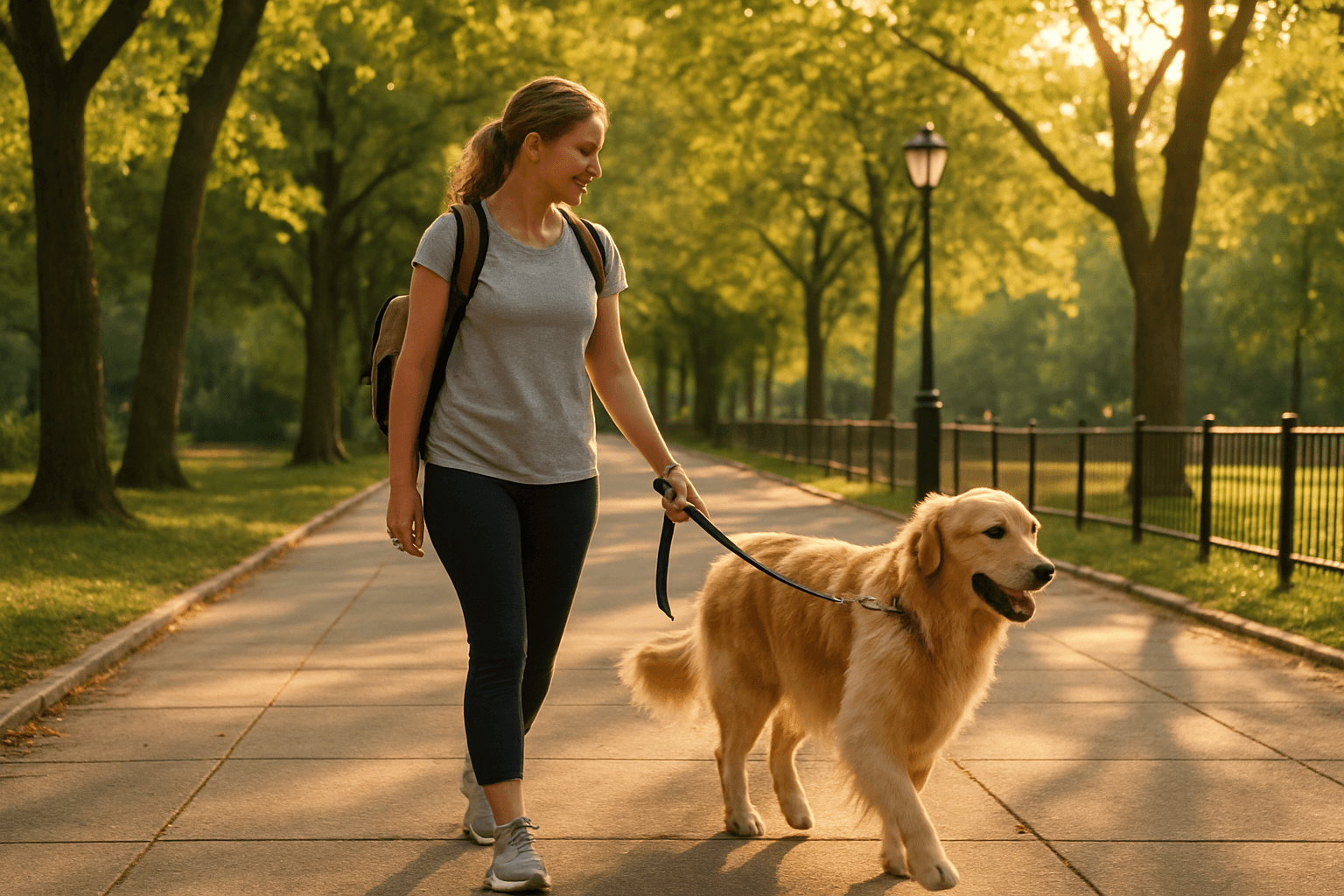
Early mornings between 6:30 and 8:30 AM offer the perfect sweet spot for dog walking in the Upper East Side. You’ll find Central Park’s east side entrances refreshingly calm, with mostly fellow dog owners and dedicated joggers sharing the space. The crowds thin out considerably compared to midday chaos, giving your pup plenty of room to explore without overwhelming stimulation.
Weekend afternoons between 2:00 and 4:00 PM can get incredibly crowded, especially near the 72nd Street entrance. Families with strollers, tourists snapping photos, and street performers create a bustling atmosphere that might stress anxious dogs. If your furry friend gets overwhelmed easily, stick to weekday mornings or early evenings after 6:00 PM when commuters have cleared out.
Late evening walks after 8:00 PM provide another peaceful window, though visibility becomes a concern during winter months. Summer evenings stay bright longer, making them ideal for relaxed strolls without the daytime hustle.
Locate Essential Amenities Including Water Fountains and Waste Stations
Water fountains cluster near major entrances, with the most reliable ones positioned at the 72nd Street and 79th Street entry points. The Bethesda Fountain area maintains multiple water sources, though you’ll need to walk a bit deeper into the park. Bring a collapsible bowl since most fountains sit too high for dogs to drink from directly.
Waste stations appear every few hundred yards along main pathways, but smart dog owners always carry backup bags. The city does a decent job maintaining these stations, but weekend demand sometimes empties them faster than maintenance crews can refill them.
Public restrooms for humans are scattered throughout, with the cleanest facilities near the Metropolitan Museum and Conservatory Garden. Plan your route around these locations if you’re taking longer walks.
Recognize Potential Hazards and Busy Intersections to Avoid
Fifth Avenue crossings demand extra caution, particularly at 72nd, 79th, and 86th Streets where traffic moves fast and pedestrian signals change quickly. Keep your dog on a short leash and wait for full crossing signals rather than rushing during yellow lights.
Construction zones pop up regularly around Central Park’s perimeter. Check the NYC Parks website before heading out, as temporary fencing and equipment can surprise both you and your dog. The area near the playground entrances often has renovation work that creates narrow walkways.
Cyclist corridors inside the park present another consideration. The main loop road allows bikes, and some cyclists move at serious speeds. Stay alert near the 72nd Street transverse and keep dogs away from the designated bike lanes. Weekend cycling groups can appear suddenly around blind curves.
Unleashed dogs in designated off-leash areas might trigger reactive behavior in your leashed pet. Know where these zones begin and end so you can prepare accordingly or choose alternate routes if needed.
Related Articles:
The Ultimate Guide to Dog Walking Etiquette in the Upper East Side
How to Keep Your Dog Engaged During Walks in the Upper East Side
Connect with Fellow Dog Owners and Build Community

Join popular morning dog walking groups near the east entrances
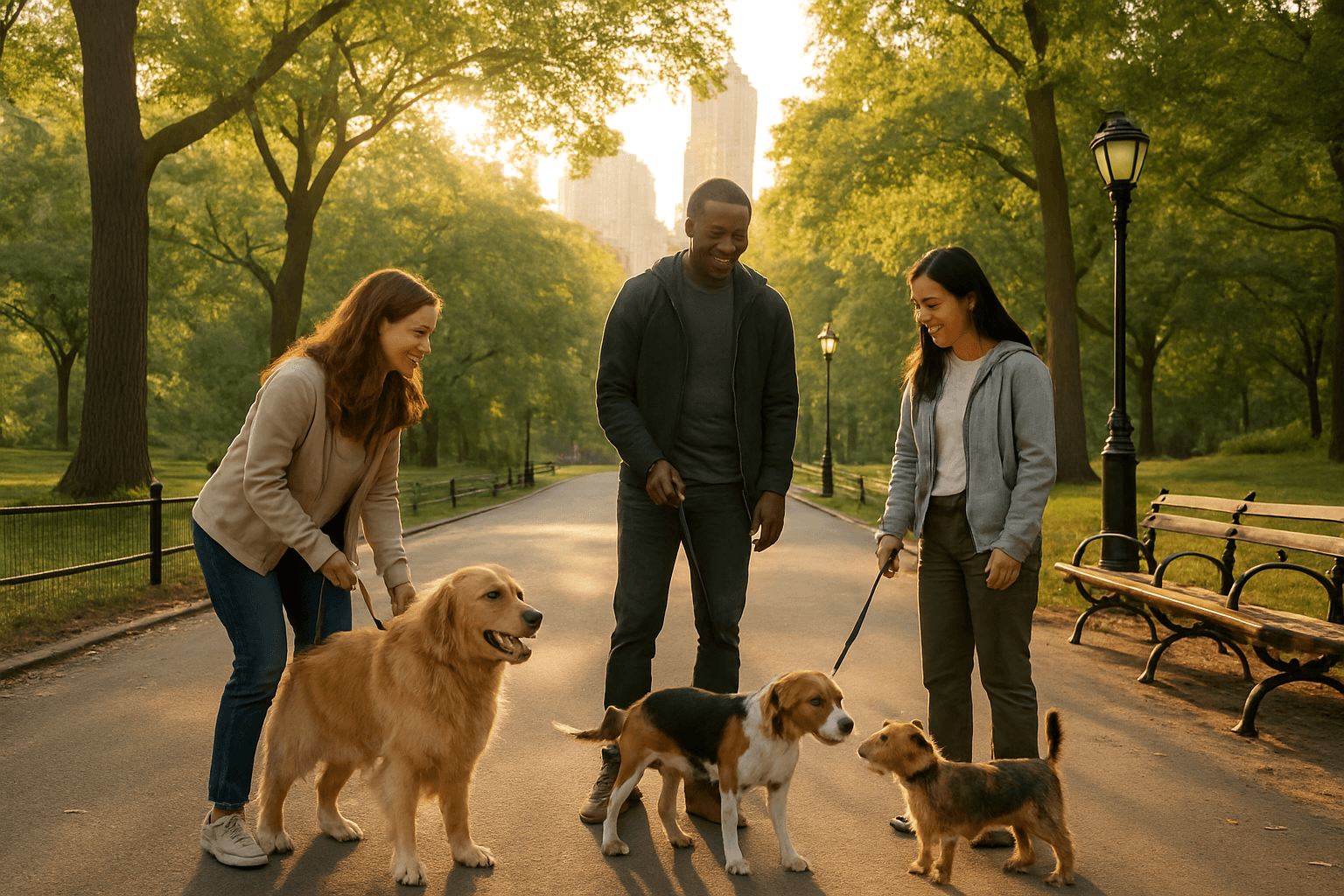
Morning dog walking groups around Central Park’s east side entrances create natural communities that make early walks more enjoyable and social. The most active groups typically meet between 7:30-9:00 AM near the 72nd Street entrance and the Engineer’s Gate at 90th Street. These informal gatherings often include Upper East Side residents who’ve been walking their dogs together for years.
Regular participants recommend arriving at the same time daily to naturally connect with other dog owners. The 8:00 AM crowd at the Conservatory Garden entrance tends to include working professionals who appreciate punctual starts, while the slightly later 8:30 AM group attracts dog owners with more flexible schedules. Many walkers exchange contact information to coordinate weekend walks or share pet sitting arrangements.
Social media groups like “UES Dog Walkers” on Facebook and neighborhood apps like Nextdoor help coordinate these meetups. Local dog walking services also organize group walks that welcome pet owners who want to join alongside their professional walkers. These groups provide valuable support networks, especially for new Upper East Side residents looking to establish routines and friendships through their shared love of dogs.
Participate in weekend social gatherings at designated dog areas
Weekend gatherings transform Central Park’s designated off-leash areas into vibrant social hubs for dog owners. The most popular weekend spots include the Great Lawn’s northern section and the area near the Jacqueline Kennedy Onassis Reservoir, both easily accessible from east side entrances. Saturday mornings from 9:00-11:00 AM typically draw the largest crowds.
These gatherings naturally organize around dog playgroups based on size and temperament. Small dog owners often cluster near the benches along the East Drive, while larger dogs and their owners gravitate toward more open spaces. Regular attendees suggest bringing water for both yourself and your dog, plus some treats to share – it’s a great icebreaker with new people.
Weekend events sometimes include impromptu training sessions where experienced dog owners share techniques for common behavioral challenges. Holiday weekends often feature costume contests or themed meetups that attract participants from across Manhattan. Many lasting friendships form during these casual weekend gatherings, leading to regular playdate arrangements and mutual dog care support during vacations.
Exchange local tips and recommendations with neighborhood pet owners
Connecting with fellow dog owners opens up a wealth of insider knowledge about dog walking in the Upper East Side that you won’t find in guidebooks. Experienced locals share crucial information about seasonal park conditions, temporary construction areas affecting walking routes, and which entrance gates offer the easiest access during different times of day.
Dog owners freely exchange recommendations for trusted veterinarians, groomers, and pet supply stores in the neighborhood. Many suggest specific time slots when certain park areas are less crowded, making walks more pleasant for both dogs and owners. Local knowledge includes which food trucks are dog-friendly, where to find the cleanest water fountains for dogs, and which nearby cafes welcome well-behaved pets.
Practical tip-sharing covers everything from navigating winter ice conditions to managing summer heat during walks. Seasoned Upper East Side dog walkers often recommend backup indoor activities for extreme weather days and share contact information for reliable dog walkers or pet sitters they’ve personally used. These conversations frequently happen naturally during walks, creating an ongoing exchange of valuable neighborhood-specific information that helps everyone enjoy better experiences with their dogs.
Related Articles:
Best Time of Day for Dog Walking in the Upper East Side
Conclusion
Central Park’s east side offers some of the best dog walking experiences in the city, but only when you know where to go and what to expect. From understanding which entrances work best for your schedule to picking routes that match your dog’s personality, the right preparation makes all the difference.
Remember that safety comes first – keep your dog leashed, bring water for both of you, and stay aware of your surroundings, especially during busy times. As you build routines and connections in the neighborhood, exploring trusted Pet Care Services in Manhattan, NYC can also help support your dog’s care beyond daily walks, making city life easier and more enjoyable for both of you.
The real magic happens when you start connecting with other dog owners along the way. These daily walks can become the foundation for lasting friendships and a stronger sense of community. Take your time exploring different paths, chat with fellow dog parents, and don’t be afraid to try new routes. Your dog will thank you for the adventure, and you might just discover your new favorite corner of this incredible park.
Frequently Asked Questions (FAQs)
The best entrance depends on your dog’s energy level and schedule. The 72nd Street entrance is ideal for busy mornings, 64th Street offers a quieter experience, and 59th Street provides fast access for short walks.
Yes. Dogs must remain on a leash at all times in Central Park, except during designated off-leash hours in specific areas. Leash rules are strictly enforced, especially near busy east side entrances.
Early mornings between 6:30 and 8:30 AM are the calmest and safest times. Crowds increase significantly between late morning and mid-afternoon, especially on weekends.
Yes. Water fountains and waste stations are available near major entrances such as 72nd Street and around the Bethesda Fountain area. It’s still recommended to bring water and waste bags just in case.
The Jacqueline Kennedy Onassis Reservoir loop is ideal for high-energy dogs. It offers a long, consistent path perfect for exercise, training walks, and dogs that need sustained physical activity.