
Finding a reliable cat sitter in the Upper East Side can feel overwhelming when you’re planning a trip or dealing with a busy schedule. This guide is for Manhattan cat owners who want professional, trustworthy care for their feline companions without the stress of boarding facilities.
Cat sitting in the Upper East Side offers your pet the comfort of staying home while receiving personalized attention from experienced caregivers. Our guide to Cat Sitting in the Upper East Side, NYC breaks down how to find qualified local sitters and properly vet potential candidates before making your decision.. You’ll also learn essential tips for preparing both your cat and home to ensure a smooth experience for everyone involved.
Understanding Cat Sitting Services in the Upper East Side
Types of cat sitting arrangements available
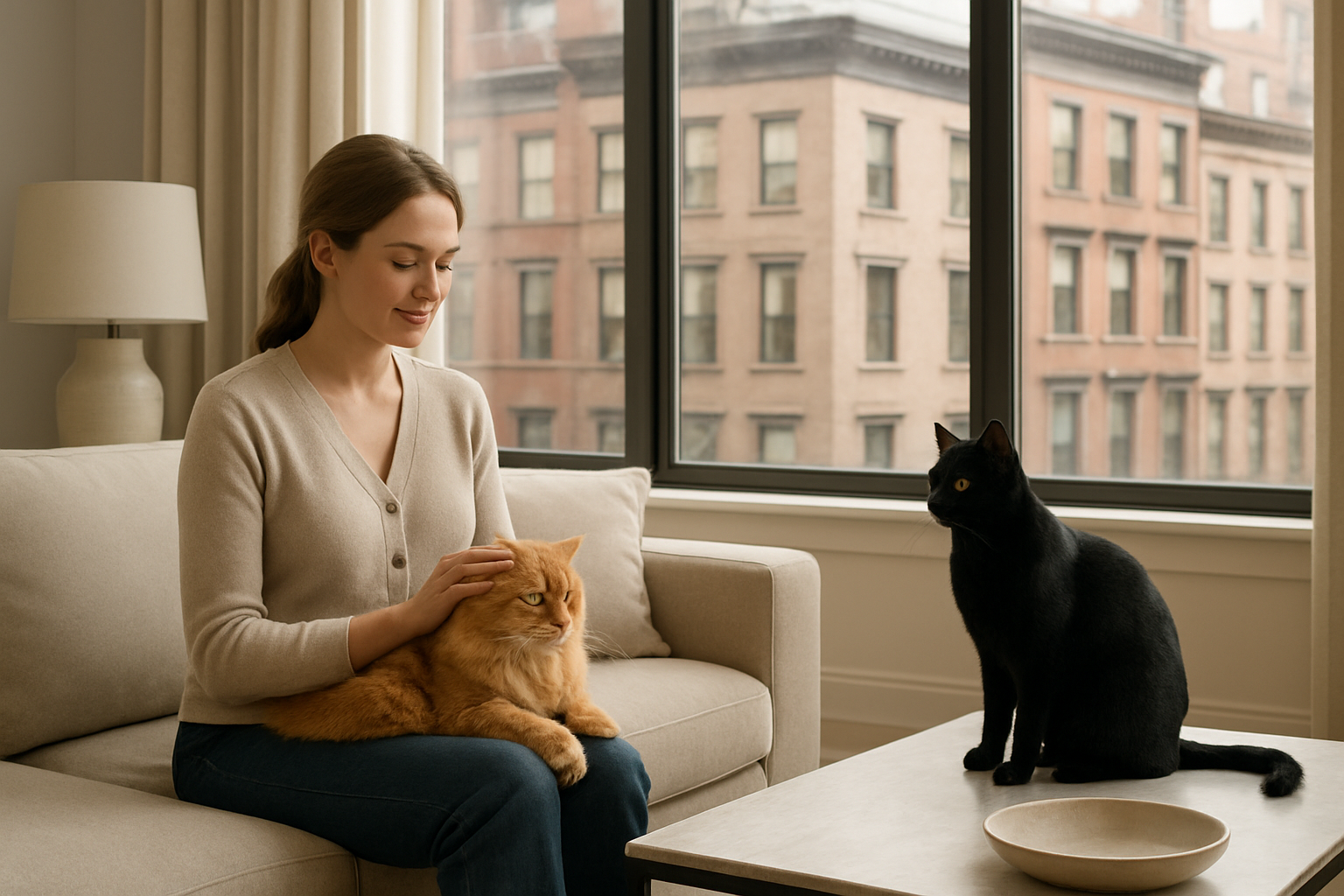
Cat owners in the Upper East Side can choose from several service arrangements depending on their needs and budget. In-home visits are the most popular option, where sitters come to your apartment once or twice daily to feed, play with, and check on your cat. This works perfectly for independent cats who prefer staying in familiar surroundings.
Overnight stays provide round-the-clock care, with sitters sleeping at your home. This arrangement benefits anxious cats or those requiring medication, and many pet parents appreciate having someone watch their apartment too. Some sitters offer live-in services for extended trips, essentially becoming temporary roommates.
Drop-in visits represent the most basic service level – quick 15-30 minute stops for feeding and litter box maintenance. These work well for low-maintenance cats during short absences.
A few professional sitters also provide cat transportation services to veterinary appointments or grooming sessions, though this remains less common in Manhattan due to most services being within walking distance.
Average pricing structure for professional cat sitters
Upper East Side cat sitting rates reflect the neighborhood’s premium location and high cost of living. Daily visits typically range from $25-$45 per 30-minute session, with experienced, bonded sitters commanding higher fees.
Overnight stays cost between $75-$120 per night, varying based on the sitter’s qualifications and additional services included. Many sitters offer package deals for multiple nights, reducing the per-night cost by 10-15%.
| Service Type | Price Range | Duration |
|---|---|---|
| Drop-in visit | $20-$30 | 15-20 minutes |
| Standard visit | $25-$45 | 30-45 minutes |
| Extended visit | $35-$55 | 60 minutes |
| Overnight stay | $75-$120 | 12+ hours |
Holiday rates typically increase by 25-50% during peak seasons like Thanksgiving, Christmas, and summer vacation months. Emergency or last-minute bookings also carry premium pricing.
Additional services like administering medication, plant watering, or mail collection usually add $5-$10 per visit. Most professional sitters require payment upfront or upon booking confirmation.
Duration options from daily visits to extended stays
Cat sitting services adapt to various timeline needs, from brief business trips to month-long vacations. Single-day visits work for day trips or late work nights, ensuring your cat doesn’t go without fresh food and attention for extended periods.
Weekend packages (2-3 days) remain extremely popular among Upper East Side professionals who frequently travel for work or social events. Most sitters offer slight discounts for weekend bookings compared to individual daily rates.
Week-long arrangements provide consistent care during business trips or family vacations. Sitters often develop routines with cats during this timeframe, making the experience less stressful for pets and more reliable for owners.
Extended stays lasting 2-4 weeks accommodate longer vacations, family emergencies, or temporary relocations. These arrangements often include additional services like rotating toys, varying meal times, and sending detailed daily updates with photos.
Some experienced sitters accept month-long or seasonal contracts, particularly beneficial for snowbirds or professionals with extended work assignments. These longer arrangements typically offer the best per-day rates and allow cats to fully adjust to their temporary caregiver’s presence and routine.
Related Articles:
In-Home Cat Sitting in the Upper East Side: Benefits for Cats
Finding Qualified Cat Sitters in Your Neighborhood
Reputable platforms and agencies serving the Upper East Side
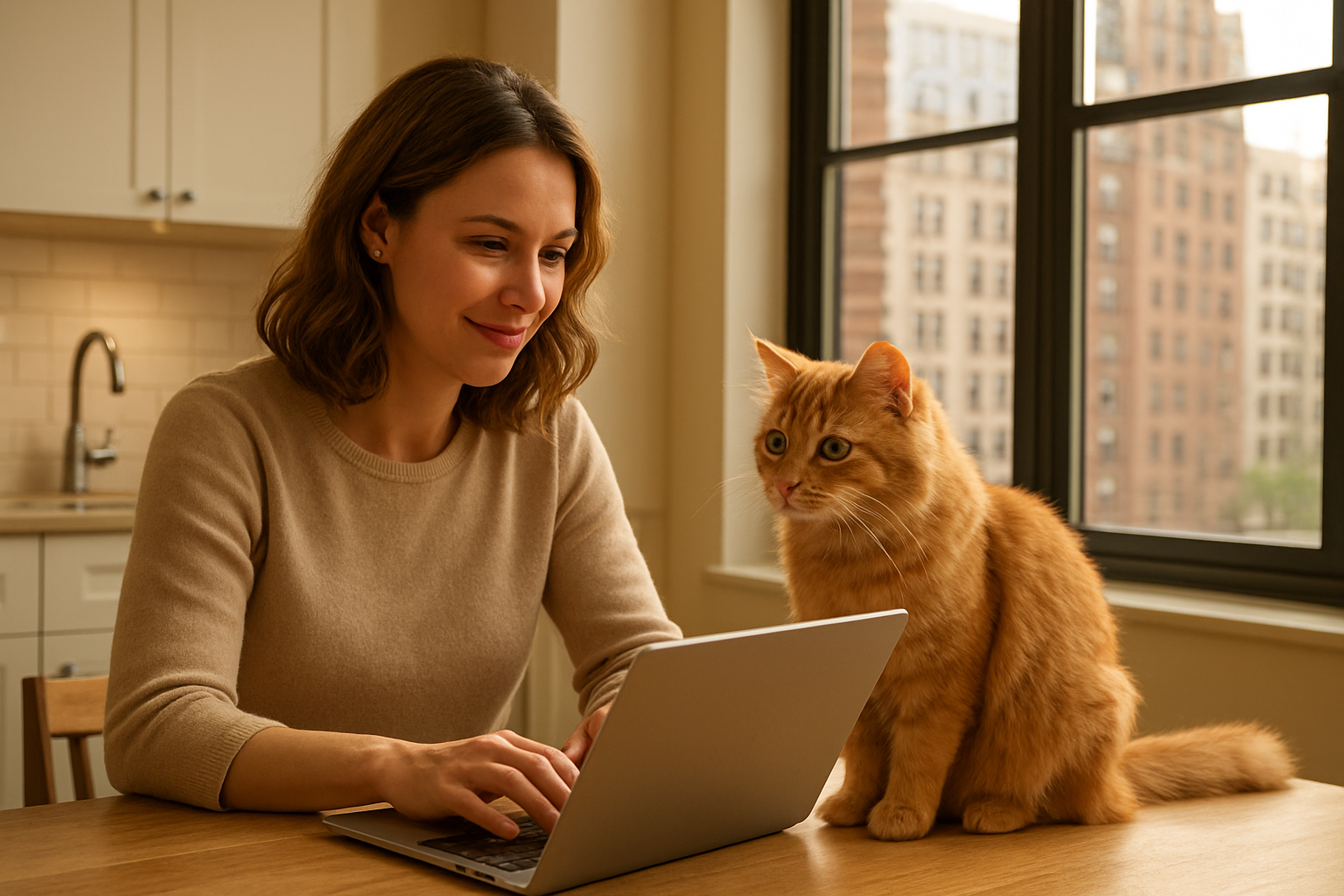
The Upper East Side offers several established platforms where pet owners can find reliable cat sitters. Rover stands out as the most popular choice, with hundreds of verified sitters specifically serving the neighborhood’s zip codes (10021, 10028, 10075, 10128). The platform’s GPS tracking and insurance coverage provide peace of mind for first-time users.
Wag offers another solid option with competitive pricing and same-day booking capabilities. Many Upper East Side residents prefer Care.com for longer-term arrangements, as the platform specializes in connecting families with professional caregivers who offer ongoing services.
Local agencies like NYC Pet Nannies and Manhattan Pet Sitting Services cater specifically to upscale neighborhoods. These boutique services often provide more personalized attention and have established relationships with veterinary clinics along Madison Avenue and Lexington Avenue.
TaskRabbit has also emerged as an unexpected resource, with many experienced pet caregivers offering cat sitting services. The platform’s neighborhood-specific search function makes it easy to find sitters within walking distance of your building.
Essential credentials and certifications to verify
Professional cat sitters should hold current pet first aid certification from organizations like the American Red Cross, which offers formal training in emergency response procedures for cats, including choking, poisoning, and injury management.
Pet Care Services Association (PCSA) certification demonstrates commitment to industry standards. Certified sitters complete continuing education courses covering animal behavior, health monitoring, and professional ethics.
Look for sitters with bonding and liability insurance. Many professional pet care providers carry policies ranging from $1-2 million in coverage. This protects both your property and your cat in case of accidents or injuries.
Experience with specific breeds can be valuable, especially for cats with unique needs. Maine Coons, Persians, and other purebreds may require specialized grooming or health monitoring that experienced sitters understand better.
Veterinary assistant experience or animal science education adds credibility. Many top-rated sitters in the Upper East Side have backgrounds working with veterinarians or animal hospitals, giving them medical knowledge that proves invaluable during emergencies.
Background check requirements and safety protocols
Most reputable platforms conduct basic background checks, but the depth varies significantly. Rover performs identity verification and criminal background checks in most states, while Care.com offers more comprehensive screening including reference verification and motor vehicle record checks for an additional fee.
Request recent references from clients with similar cat breeds or care requirements. Quality sitters maintain relationships with previous clients who are happy to share their experiences. Ask specific questions about reliability, communication, and how the sitter handled any challenges.
Verify the sitter’s local address and contact information. Legitimate professionals provide multiple ways to reach them, including backup emergency contacts. Be cautious of sitters who seem evasive about their location or provide only email communication.
Many Upper East Side pet owners require sitters to provide additional references from local veterinarians or pet supply stores. This community-based vetting process helps ensure the sitter is known and trusted within the neighborhood’s pet care network.
Consider requesting a brief video call before the initial meet-and-greet. This helps verify identity and gives you a chance to assess communication skills and professionalism before inviting someone into your home.
Related Articles:
Overnight Cat Sitter in the Upper East Side: When It’s Needed
Evaluating Potential Cat Sitters Before Hiring

Key questions to ask during initial consultations
Start by asking about their experience with cats specifically. The American Veterinary Medical Association recommends choosing pet care providers who understand species-specific behavior and needs, especially when caring for cats in a home environment. Find out how long they’ve been caring for cats professionally and ask about any challenging situations they’ve handled.
Discuss their daily routine and availability in detail. Ask what time they typically arrive for visits, how long they spend with each cat, and whether they can accommodate special schedules if your cat needs medication at specific times. Make sure they can commit to the exact dates you need without conflicts.
Get specific about their approach to different scenarios. What would they do if your cat stops eating? How would they handle a medical emergency? Ask about their comfort level with administering medication, cleaning litter boxes, and dealing with shy or anxious cats. Their answers will reveal whether they have genuine experience or are just winging it.
Money talk matters too. Clarify their rates, payment methods, and cancellation policies upfront. Some sitters charge extra for holidays, multiple cats, or additional services like plant watering or mail collection. Know exactly what’s included in their base rate to avoid surprises later.
Red flags to watch for during interviews
Trust your gut if something feels off during your conversation. A professional cat sitter should ask detailed questions about your cat’s routine, personality, and any special needs. If they seem disinterested in learning about your pet or give generic responses, that’s a warning sign.
Watch out for sitters who can’t provide proper credentials or insurance information. Professional pet care providers should have liability insurance and be able to show you proof. Anyone who brushes off these requests or makes excuses probably isn’t running a legitimate business.
Be cautious of sitters who seem overwhelmed or book too many clients. If they’re juggling dozens of pets simultaneously, your cat might not get the attention they deserve. Ask directly how many other clients they’ll be serving during your dates.
Communication red flags include delayed responses to messages, unprofessional language, or reluctance to meet in person before the booking. A reliable sitter will want to meet your cat beforehand and should respond to your questions promptly and professionally.
Pricing that’s too good to be true often indicates inexperience or corners being cut. While you don’t need to pay premium rates, suspiciously low prices might mean you’re dealing with someone who doesn’t take the work seriously.
References and reviews verification process
Don’t just read online reviews – actually contact previous clients when possible. Most professional sitters will gladly provide references from recent customers. When you call these references, ask specific questions about reliability, communication, and how well the sitter handled their pets.
Look for patterns in reviews across different platforms. Check Google, Yelp, Rover, and any local pet care websites. Consistent praise or recurring complaints will give you a clearer picture than any single review. Pay attention to how the sitter responds to negative feedback – professional responses show maturity and accountability.
Verify their credentials through official sources when applicable. If they claim certifications from pet care organizations or veterinary training, look up these programs online to confirm they’re legitimate. Many fake credentials exist in the pet care industry.
Ask for contact information from their most recent clients, not just cherry-picked references from years ago. Recent customers can tell you about the sitter’s current reliability and service quality. A good sitter will have multiple happy clients willing to vouch for them without hesitation.
Consider doing a trial run before your main trip. Book the sitter for a short absence first to see how they perform. This gives you a chance to evaluate their punctuality, communication, and how your cat responds to them before committing to a longer arrangement.
Related Articles:
Cat Visits in the Upper East Side: What Happens During a Visit
Preparing Your Cat and Home for Professional Care
Creating Detailed Care Instructions and Emergency Contacts
Your cat sitter needs a comprehensive guide to your feline’s daily routine and preferences. Start by documenting feeding schedules, including exact portion sizes, preferred food brands, and any dietary restrictions. Note your cat’s personality quirks – does Whiskers hide under the bed when strangers arrive? Does Mittens demand breakfast at exactly 6 AM? These details help sitters provide personalized care.
Include your cat’s medical history, current medications with dosing instructions, and behavioral patterns. Create a simple daily schedule showing when your cat typically eats, plays, and sleeps. Don’t forget to mention favorite toys, preferred hiding spots, and any unusual behaviors that might worry an inexperienced sitter.
Your emergency contact list should include your veterinarian’s 24-hour number, a backup vet clinic, your own contact information, and a trusted local friend or family member, following general pet safety guidance from the NYC Department of Health and Mental Hygiene. Add your building’s super or doorman contact details, plus any relevant building codes or access instructions. Print everything clearly and keep copies in multiple locations throughout your apartment.
Organizing Food, Medication, and Supply Accessibility
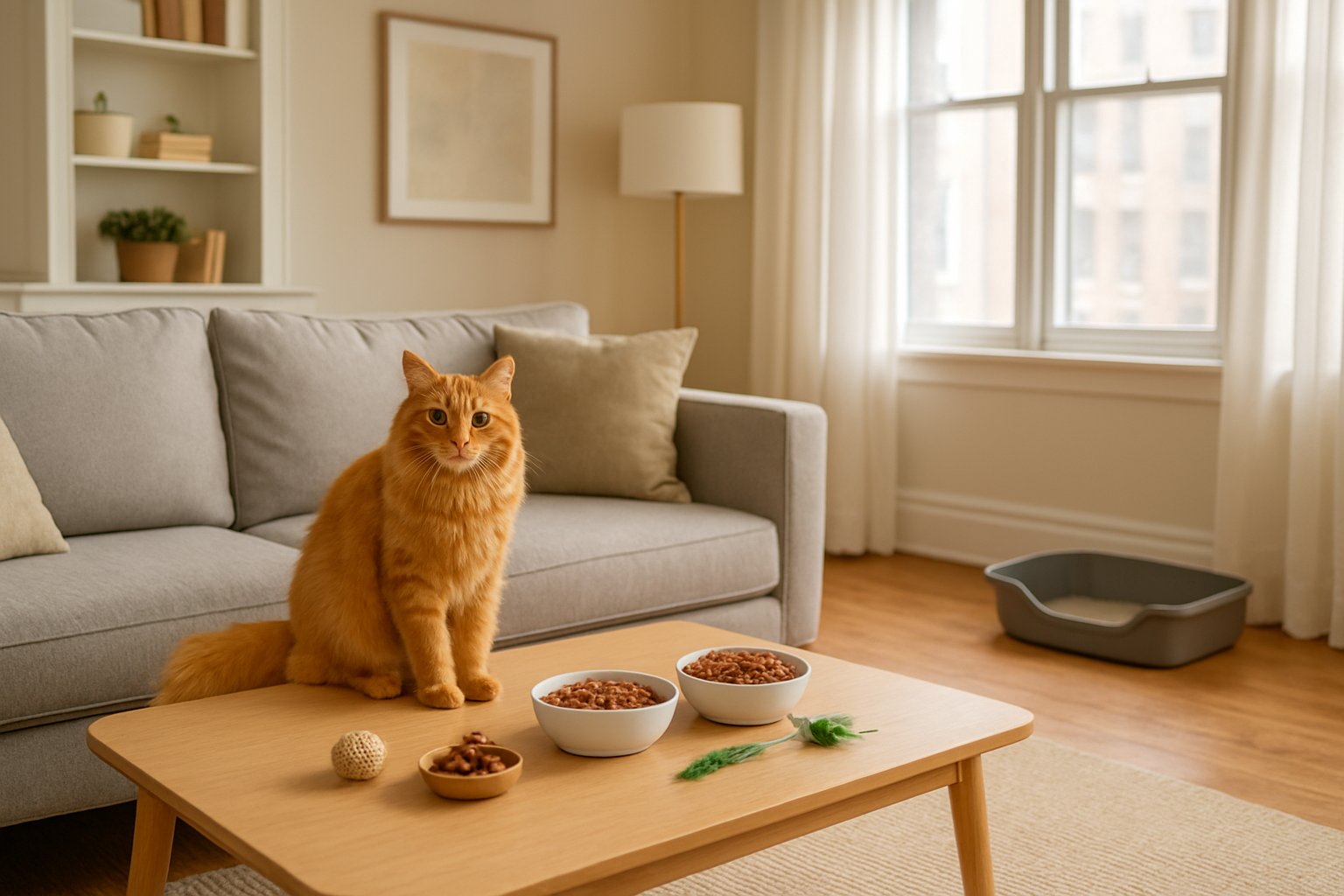
Smart organization prevents confusion and ensures your cat receives consistent care. Set up a designated feeding station with pre-measured meals in labeled containers or portion out daily servings in separate bags. Store wet food in easily accessible areas and mark expiration dates clearly.
Create a medication station if your cat requires daily pills or treatments. Use a pill organizer or label individual doses with dates and times. Include detailed instructions for administration – some cats take pills hidden in treats, while others need liquid medications mixed with food.
Stock essential supplies in obvious locations. Fill a basket with grooming tools, extra toys, cleaning supplies, and backup food. Keep the litter box area well-supplied with fresh litter, waste bags, and cleaning materials. Place first aid supplies where sitters can easily find them, including your vet’s recommended wound care products and any emergency medications.
Securing Your Apartment While Maintaining Cat Comfort
Balance home security with your cat’s emotional well-being by making strategic adjustments before your sitter arrives. Secure valuable items and important documents without disrupting your cat’s favorite spaces. Move breakable decorations to safe locations, but leave familiar furniture arrangements unchanged to reduce your pet’s stress.
Install or check existing security measures like door locks and window latches. Provide your sitter with only necessary access codes or keys, and consider using smart locks that allow temporary access codes. Hide spare cash and jewelry, but keep cat essentials easily accessible.
Create safe spaces where your cat can retreat if feeling overwhelmed. Leave bedroom doors open to familiar hiding spots, but close off areas containing hazardous items or valuable possessions. Maintain normal lighting schedules using timers, and keep your cat’s routine as unchanged as possible. Your cat’s comfort during your absence depends on familiar surroundings, so avoid major rearrangements that might cause additional anxiety when you’re already away.
Conclusion
Your cat deserves the best care while you’re away, and finding the right sitter in the Upper East Side doesn’t have to be stressful. Focus on local services that understand your neighborhood’s unique needs, take time to properly vet potential sitters through interviews and reference checks, and don’t skip the preparation steps that help both your cat and sitter succeed.
The key is starting your search early and being thorough in your evaluation process. When you find a sitter who clicks with your cat and respects your home, exploring related resources like Pet Care Services in Manhattan, NYC can give you added confidence that your furry friend is in great hands. Book a meet-and-greet session before your trip, and you’ll be setting everyone up for a positive experience.
Frequently Asked Questions (FAQs)
Cat sitting rates in the Upper East Side typically range from $25 to $45 per 30-minute visit, depending on the sitter’s experience and services provided. Overnight stays usually cost between $75 and $120 per night, with higher rates during holidays or for cats requiring medication or special care.
For most cats, in-home sitting is a better option than boarding. Staying at home reduces stress, keeps routines consistent, and avoids exposure to other animals. This is especially important for indoor cats and senior cats common in Manhattan apartments.
Most cat owners in the Upper East Side book one to two visits per day. Cats that are social, on wet food schedules, or require medication often benefit from twice-daily visits, while more independent cats may be fine with one longer visit per day.
A professional cat sitter should have cat-specific experience, pet first aid certification, positive client reviews, and proof of insurance or bonding. Experience with administering medication and familiarity with apartment buildings in Manhattan are also important.
You should leave written instructions covering feeding schedules, litter box care, medication details, emergency contacts, and your veterinarian’s information. Including notes about your cat’s behavior, hiding spots, and favorite toys helps ensure smooth, stress-free care.